Chiefs Versus Politics
As Fiji’s political landscape evolves, iTaukei chiefs face a defining choice—preserve traditional leadership or engage in modern governance.
Wednesday 18 March 2015 | 08:09
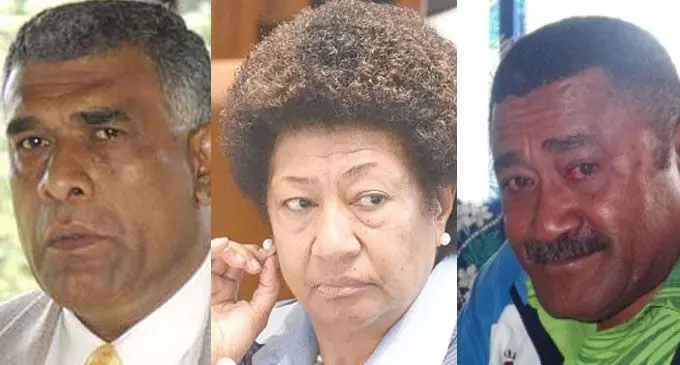
Tui Cakau Ratu Naiqama Lalabalavu, Roko Tui Dereketi Ro Teimumu Kepa, Tui Namosi Ratu Suliano Matanitobua.
iTaukei chiefs today stand at the crossroads of the national Fijian political process.
The choice is whether they focus on politics more or concentrate on their traditional core functions as leaders of their respective provinces or vanua.
It has to do with the separation of power, traditional and political power. It came to the fore in the run-up to the 1977 general election which saw Fijian Nationalist Party founder Sakeasi Butadroka, a commoner, go head to head with Ratu Sir Kamisese, the Tui Nayau and paramount chief of Lau.
Related stories
Mr Butadroka pushed the boundary between the chiefly system and politics. When his critics attacked him for disrespecting a chief, he retorted: “ If chiefs enter politics, they are running on to a level playing field. There is no chief or commoner in the political arena. Everyone is equal, a politician. If they want to wear the two hats, they must accept whatever is thrown at them.”
He suggested if the chiefs could not take the heat, they should quit politics and return to their chiefly thrones. He said it was unacceptable to say that politicians could not be criticised.
Ratu Sir Kamisese was the last chief to have led this country as Prime Minister. His Alliance Government was defeated in the April general election of 1987 by the National Federation Party-Fiji Labour Party coalition. Dr Timoci Bavadra, the coalition leader, became the first commoner to be Prime Minister. While Ratu Sir Kamisese returned as interim PM after Sitiveni Rabuka’s coups in 1987, he never returned to politics.
Mr Rabuka who started the Soqosoqo ni Vakavulewa ni Taukei, was the next PM followed by Laisenia Qarase (SDL) , and FLP leader Mahendra Chaudhry (first Indo-Fijian PM) and Mr Qarase again before he was deposed in 2006 by Voreqe Bainimarama.
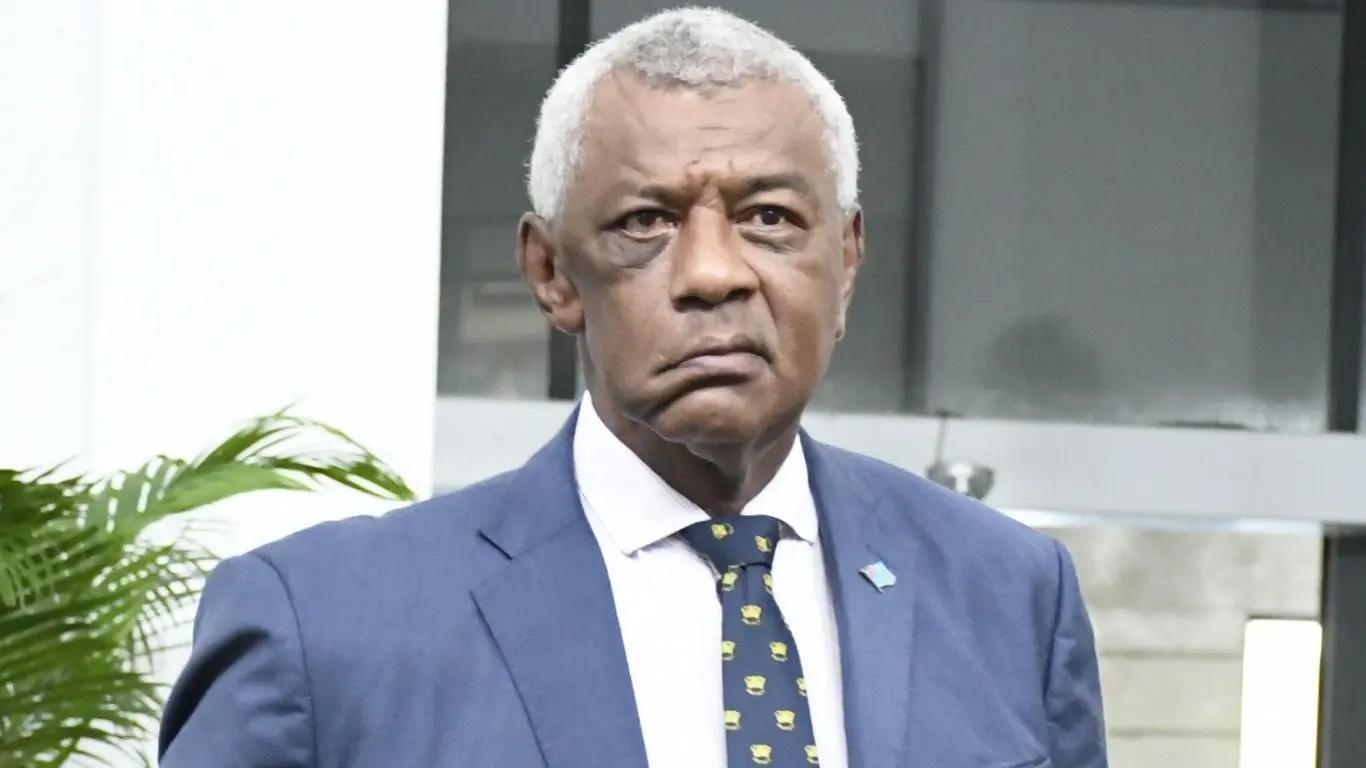
The highest-ranking chiefs in Parliament now are Opposition Leader Ro Teimumu Kepa, the Roko Tui Dreketi and SODELPA leader; Tui Cakau Ratu Naiqama Lalabalavu and Tui Namosi Ratu Suliano Matanitobua. Both from SODELPA too.
Some see no problem in chiefs participating in politics. In fact, they say chiefs bring a new dimension, dignity and respect to national politics. But in reality politics can become dirty at times. The mudslinging to score cheap political points can be intense and can descend to gutter level. If the chiefs are able to live with it, then it’s fine.
One of the concerns that has driven this question about chiefs and politics is that their subjects are generally sensitive about the treatment of their chiefs.
When an attack is targeted at a chief, some also see it as an attack on his or her subjects or people. But that has been changing as people become more politically conscious and matured. They are able to separate the chief from politics. In Cakaudrove, not all the people voted for Ratu Naiqama in the last general election.
He knows that. By the same token Ro Teimumu also knows that not all Rewans voted for her. But when it comes to their cultural and traditional obligations, they give them hundred per cent. Mr Butadroka’s supporters applied this principle in the 1977 general election.
They split the iTaukei votes and caused enough damage for the ruling Alliance Party to lose the April election. But the winning National Federation Party failed to form a government, a caretaker government was appointed and a fresh election was conducted in September. The Alliance romped back to power because the NFP was split.
The Great Council of Chiefs (GCC) was in existence then, but its influence had no impact in the outcome of the April poll.
The GCC was supported by the colonial masters. It was a colonial legacy that reinforced the ethnic divide between Indo-Fijians and iTaukei. It firmly entrenched chiefly power.
A chiefly élite enjoyed a privileged position in the state and represented the core values of iTaukei culture. It also provided a calming influence in state affairs.
But the GCC role in the 1987 and 2000 coups changed that national perception and led to its abolition when Prime Minister Voreqe Bainimarama took over.
The Constitution has also removed the environment in which it flourished by removing race from the way we do things. Never again will we be divided by race.
While GCC has been removed because it had been politicised, other iTaukei institutions are intact.
For chiefs, participating in politics may be the way to stay relevant in the new Fiji.