'Climate Watch': Turning Waste Into Fashion
For small island countries in the Pacific, more specifically for Fiji, grassroots level communities are usually the ones pioneering innovative climate-friendly adaptation.
Friday 01 March 2024 | 16:43
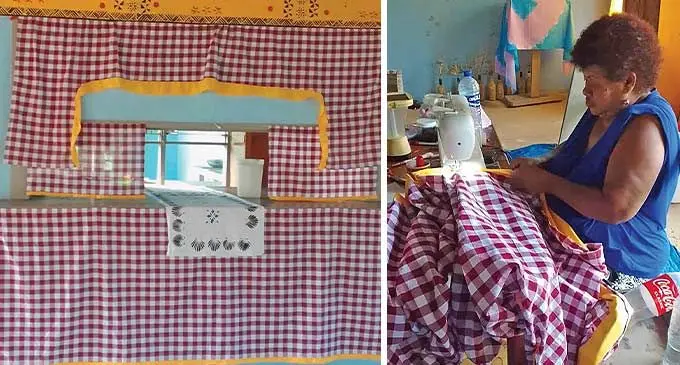
Asinate Kama at work with recycled pieces of material to create a final piece for her home.
In the current climate change trajectory by scientists, the world will get warmer, and extreme weather changes can be expected as early as 2050, as the United Nations has predicted.
Higher sea levels, a warmer climate, an ocean that is both warmer and more acidic, and more significant changes in precipitation patterns are all anticipated in the future.
Our current actions to cut greenhouse gas emissions will determine how much climate change there will be in the future.
Related stories
Bigger well-developed nation’s bid to cut down on emissions is yet to be achieved.
For small island countries in the Pacific, more specifically for Fiji, grassroots level communities are usually the ones pioneering innovative climate-friendly adaptation.
We can only do so little, a bid that will ultimately contribute to the greater good, and that is exactly what Asinate Kama, 61, is doing.
Ms Kama goes out of her way to villages and settlements in the Cakaudrove Province to conduct training for women on how to sew, screen printing, tie, and dye and conducted a fashion show.
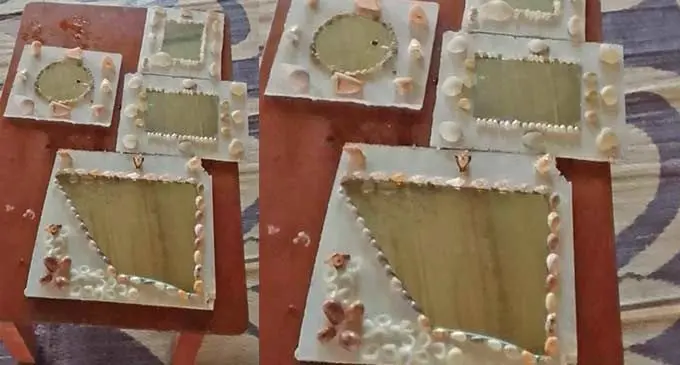
Pieces of mirror were re-created into a framed mirror.
Personal bid
Since 2021, Ms Kama has visited more than 14 villages in Cakaudrove, and trained women in some of the most interior-based women groups in Tunuloa and Natewa.
Her transportation expenses were either on her own or paid for by women in villages who needed the trainings.
“I feel that the work I do is so important, not only for women empowerment, but Fijians to advocate about the detrimental effects of Climate Change and what we can do about it,” she said.
“We join the big conference on the international stage but if people are on the ground and not doing their personal bid against climate change, we’re definitely heading somewhere scary.”
Why Recycle?
The maxim “Reduce, Reuse, Recycle” has been around for a while.
The plastic bottles were disposed of in the blue bin, but recycling and reusing are more crucial.
The textile industry is just as important as recycling.
Clothes production is increasing as a result of increased consumer spending and shopping.
But packed closets and the fast fashion industry have also contributed to landfills that are overflowing.
Ms Kama said before throwing away old clothing, think about the effects of recycling it as opposed to adding it to the landfill.
“Let’s do the right thing, we do fashion, we do it the recycling way,” she said.
“Empowerment of women is important, as well as climate change mitigation effort.”
Feedback: jone.salusalu@fijisun.com.fj