Constitutional ambiguities may shield officials, Acting DPP warns
Concerns over conflicting legal interpretations in criminal cases
Friday 24 April 2026 | 12:00

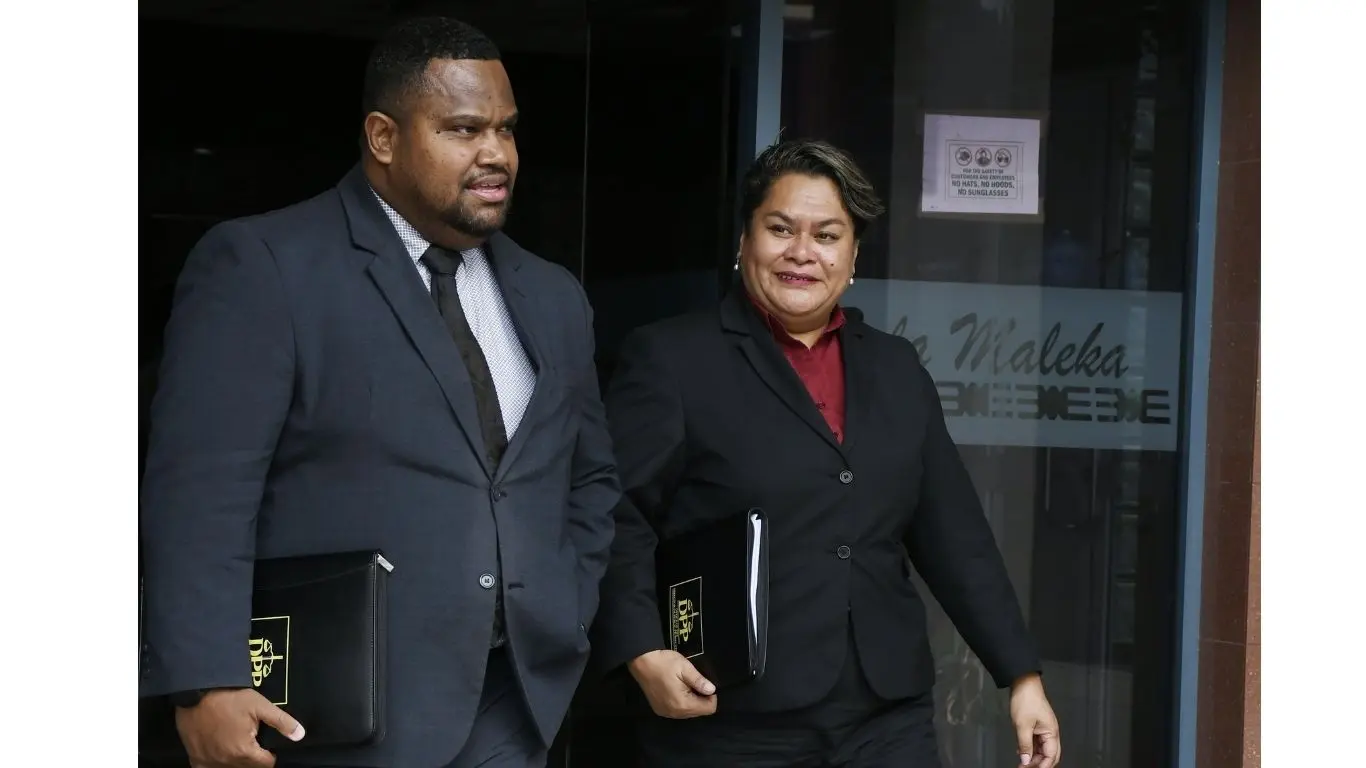
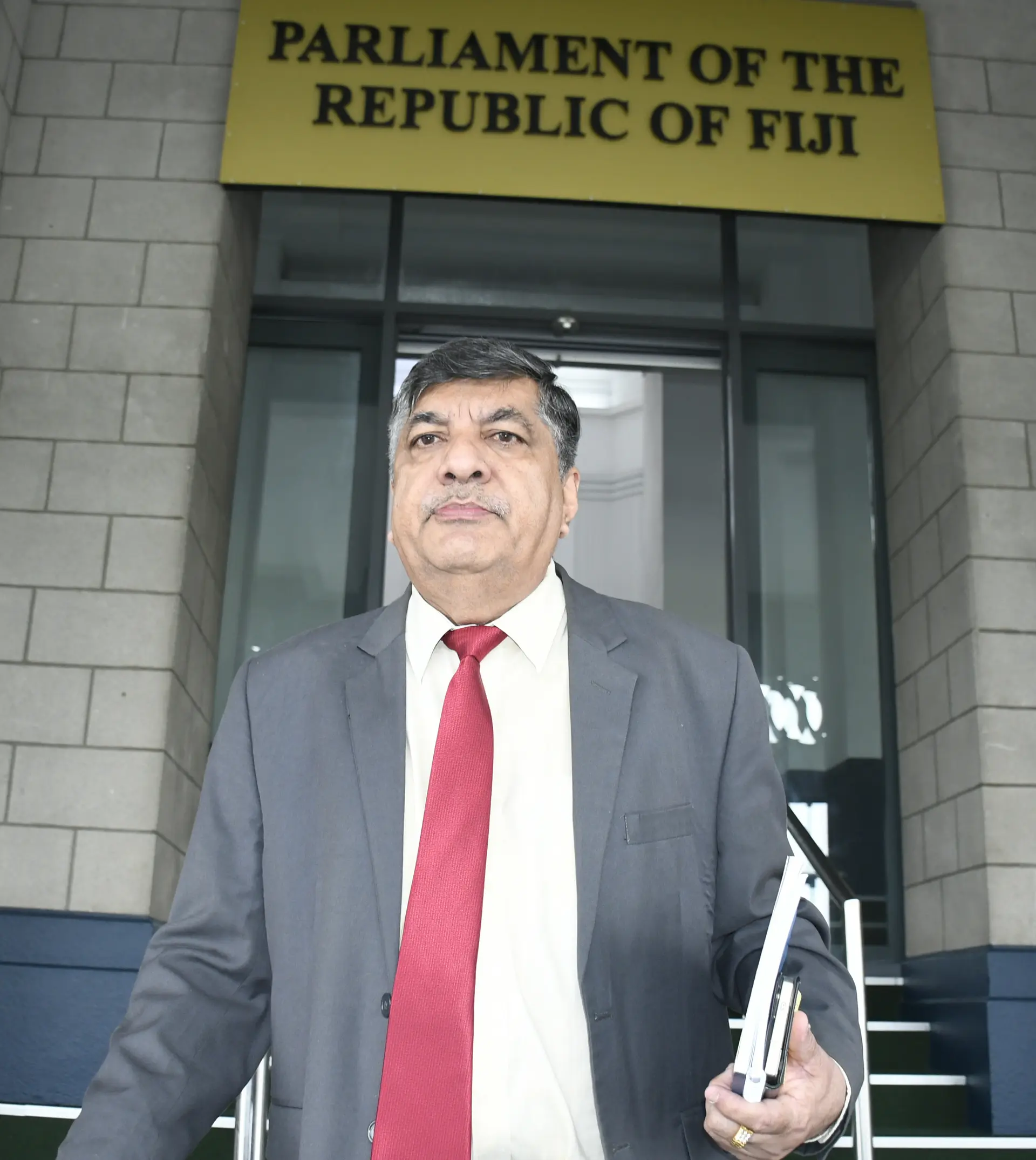
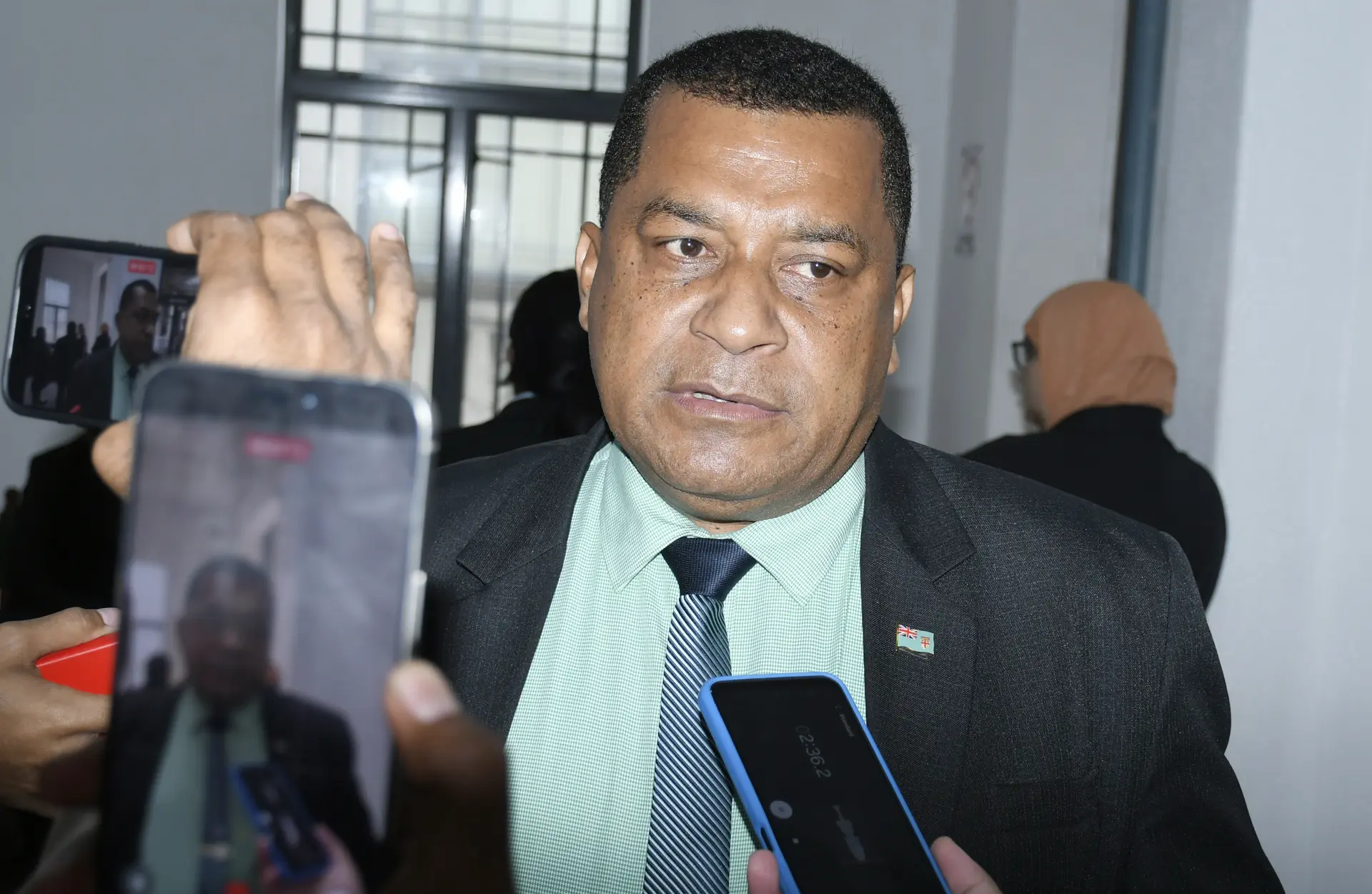
Assistant Director of Public Prosecutions Meli Vosawale and Acting Director Nancy Tikoisuva after making their submission to the Constitutional Review Committee on April 23, 2026.
Photo: Ronald Kumar
Ambiguities in Fiji’s Constitution can unintentionally shield public officials from legal accountability, the Office of the Director of Public Prosecutions has warned.
In a submission to the Constitutional Review Commission, Acting DPP Nancy Tikoisuva raised concerns about the definition of “public service” under Article 163, describing it as unclear and potentially problematic in criminal proceedings.
The definition includes exceptions for offices established under the Constitution, including judicial bodies and commissions.
Related stories
Ms Tikoisuva said this wording has already been tested in court, where it has been used as part of legal defences in criminal cases.
Uncertainty
Because it creates uncertainty, she said the Constitution may be interpreted as exempting certain office holders from liability, particularly in cases involving abuse of office.
The issue is compounded by the Crimes Act, which references “public service” but does not define it, relying instead on the constitutional definition.
This inconsistency, Ms Tikoisuva argued, opens the door to conflicting interpretations.
Concerns were also raised that the wording could imply broader immunity for state entities in that certain constitutional offices might be shielded from civil or criminal action altogether.
“There is no clarity in its current form,” she said. “The absence of explanatory records behind the provision further complicates interpretation.”
The commission was urged to align definitions across legislation and remove ambiguity to ensure accountability was not undermined.
Her warning highlights the critical role of precise legal drafting in safeguarding both institutional integrity and public trust.
Feedback: sosiveta.korobiau@fijisun.com.fj