Corrections flags prison system gaps
Submission cites authority gaps, health risks and rights constraints in prisons.
Monday 27 April 2026 | 12:00
Updated 27 April 2026 | 13:58 FJT

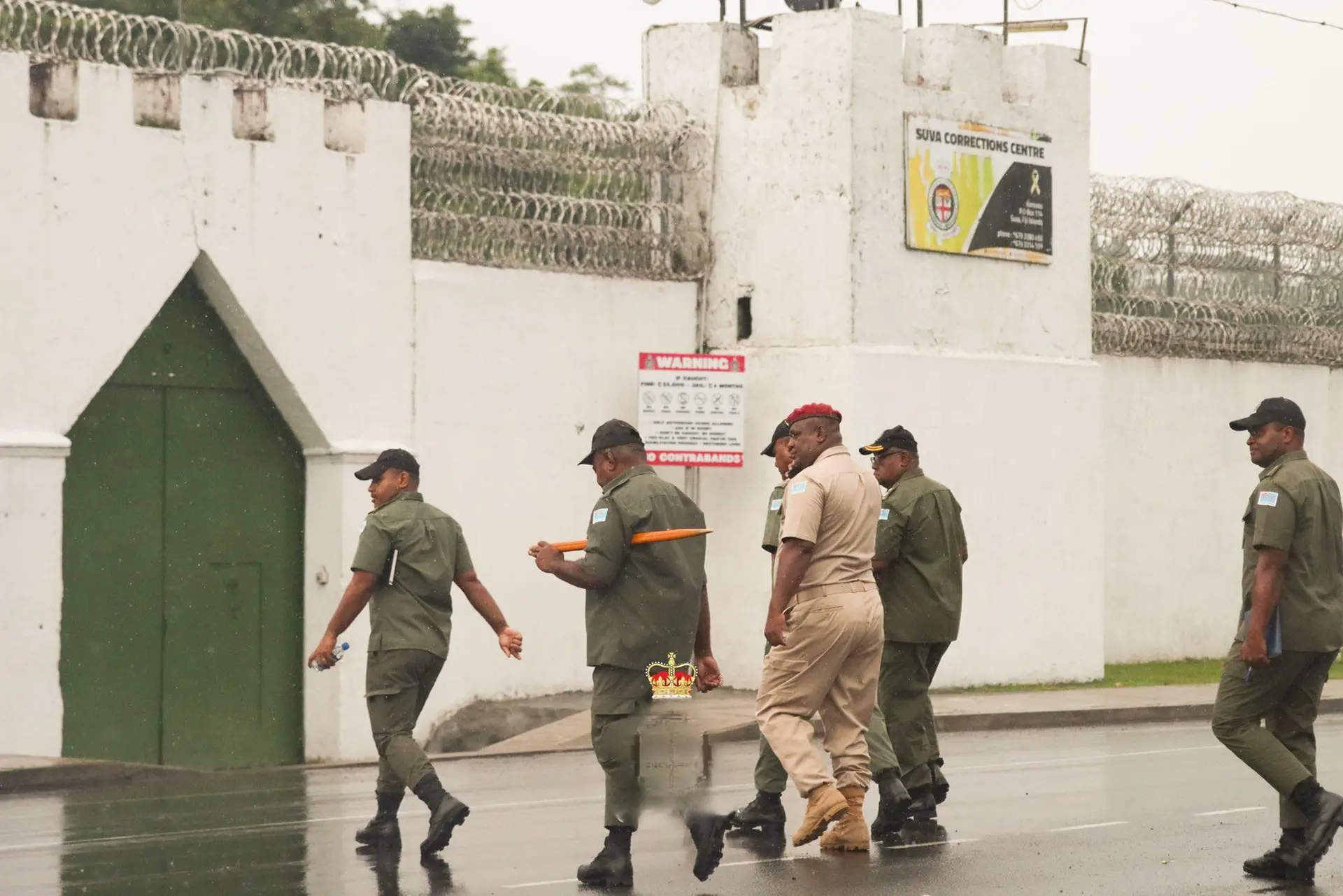
Fiji Corrections Service warns constitutional gaps and rights constraints are undermining prison management and security.
Photo: Supplied
The Fiji’s Corrections Service (FCS) warns that gaps in authority, legal limitations, and rising health and security risks are affecting the effective management of prisons.
In a formal submission to the Constitutional Review Commission, Acting Corrections Commissioner Auta Moceisuva called for clearer delegation of authority within FCS.
Mr Moceisuva said the Commissioner should be constitutionally empowered to delegate responsibilities to the Deputy Commissioner and other senior officers to ensure the smooth running of operations.
Related stories
Disciplinary framework
FCS also highlighted concerns over the current disciplinary framework, where the Commissioner holds sole authority to appoint, discipline, and dismiss officers.
Mr Moceisuva noted that this effectively places the Commissioner in multiple roles, with no internal avenue for officers to challenge decisions.
As a result, many cases are taken to court for judicial review.
To address leadership continuity, the submission proposes that the position of Deputy Commissioner be formally recognised in the Constitution.
It also recommends setting a mandatory retirement age of 65 for the Commissioner, citing the physical demands of the role.
Beyond administrative reforms, FCS raised concerns about the practical impact of constitutional rights on prison management.
It pointed to provisions protecting inmates from cruel or degrading treatment, arguing that while necessary, they can create uncertainty for officers responding to violent incidents or unrest.
Health risks
Health risks within correctional facilities were also identified as a major issue.
The FCS is proposing mandatory medical testing for inmates, particularly for infectious diseases such as HIV, and the segregation of prisoners based on medical conditions to allow for more effective treatment and to reduce transmission risks.
However, Mr Moceisuva acknowledged that constitutional protections, including the right to refuse medical treatment, may limit the implementation of such measures.
The submission further noted that privacy rights can complicate search procedures and surveillance efforts, which are essential in preventing the flow of contraband, including drugs, into prisons.
As part of its recommendations, FCS is advocating for the use of virtual court appearances.
This, it argues, would enhance security, reduce costs, and minimise the movement of inmates outside correctional facilities.
The proposals come amid broader national consultations on constitutional reform, with the FCS emphasising the need to strike a balance between upholding individual rights and ensuring the safety, security, and effective operation of Fiji’s prisons.