'Coups stalled reforms'
His research examined how the country's political upheavals affected efforts to modernise the public service.
Wednesday 22 July 2026 | 13:30

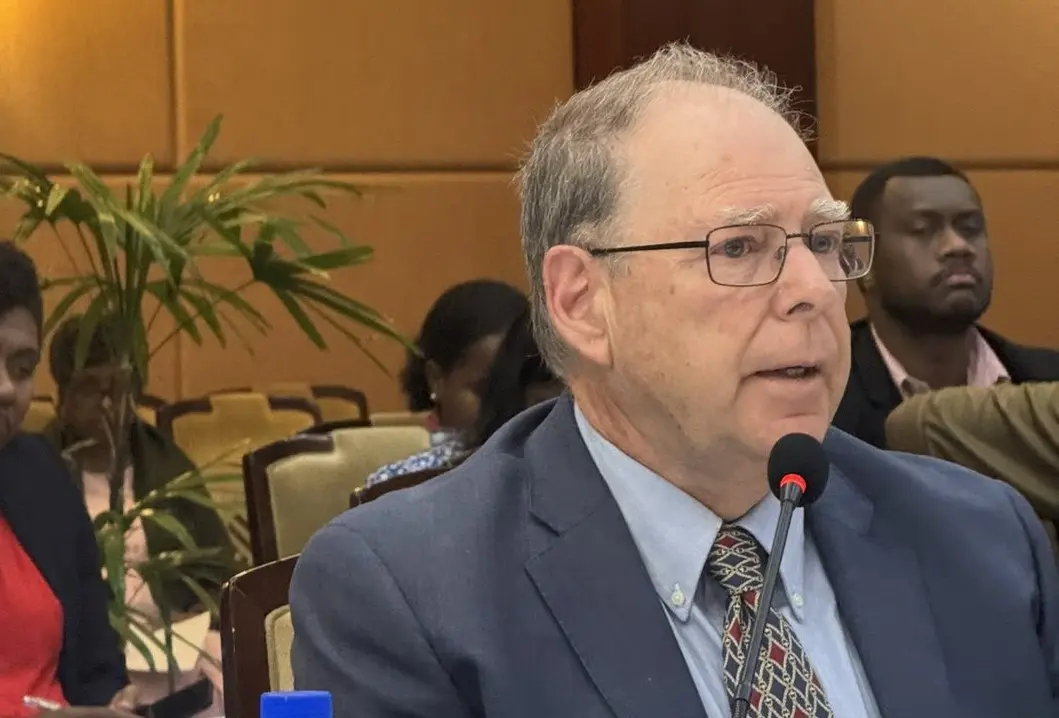
Professor Graham Hassall speaking at the Fiji Truth and Reconciliation Commision.
Photo: Sosiveta Korobiau
Years of work to modernise Fiji's public service were repeatedly set back by political upheavals, with coups delaying reforms designed to improve government accountability, efficiency and financial management, governance expert Professor Graham Hassall says.
Speaking during a Fiji Truth and Reconciliation Commission (FTRC) discussion yesterday, Professor Hassall said Fiji's political instability disrupted public sector reforms, with some initiatives delayed, suspended or altered during periods of uncertainty.
His research examined how the country's political upheavals affected efforts to modernise the public service.
Related stories
Professor Hassall said Fiji strengthened its public financial management reforms with the introduction of the Financial Management Act in 2004, which aimed to improve government reporting systems, accounting practices, accountability and efficiency.
"Every Government in the world is constantly reforming its financial management," he said.
He said governments continually sought better technology, stronger accountability measures, improved forecasting and more effective ways of managing public resources.
The reform programme was also supported by international development partners, including the Asian Development Bank, the World Bank and the International Monetary Fund, which provided technical assistance to strengthen Fiji's financial systems.
However, Professor Hassall said the 2006 coup affected the implementation and direction of those reforms.
He said the reform programme was influenced by New Public Management principles, which encouraged public agencies to make quicker decisions, take greater responsibility and become more responsive.
"These principles conflict with the approach adopted after the coup, where decision-making became more centralised," he said.
Professor Hassall said financial management reforms relied on transparency, timely recording of transactions and systems that enabled government agencies to make informed decisions.
"You can't spend until you have permission, as compared to financial reforms which were meant to enable decision-making," he said.
He said political upheavals affected more than changes in government, disrupting the ability of institutions to deliver long-term reforms.
The FTRC discussion forms part of the commission's wider effort to document experiences during Fiji's periods of political instability, examine the effects of past coups and support national healing and reconciliation.








