Cyclones Damage Fiji’s Health Facilities
“From 2010 to 2022, Fiji endured 20 cyclones, causing devastating damage to health infrastructure. Despite efforts, four health facilities are still awaiting reconstruction, limiting access to healthcare for remote communities,” he said.
Tuesday 05 December 2023 | 11:51


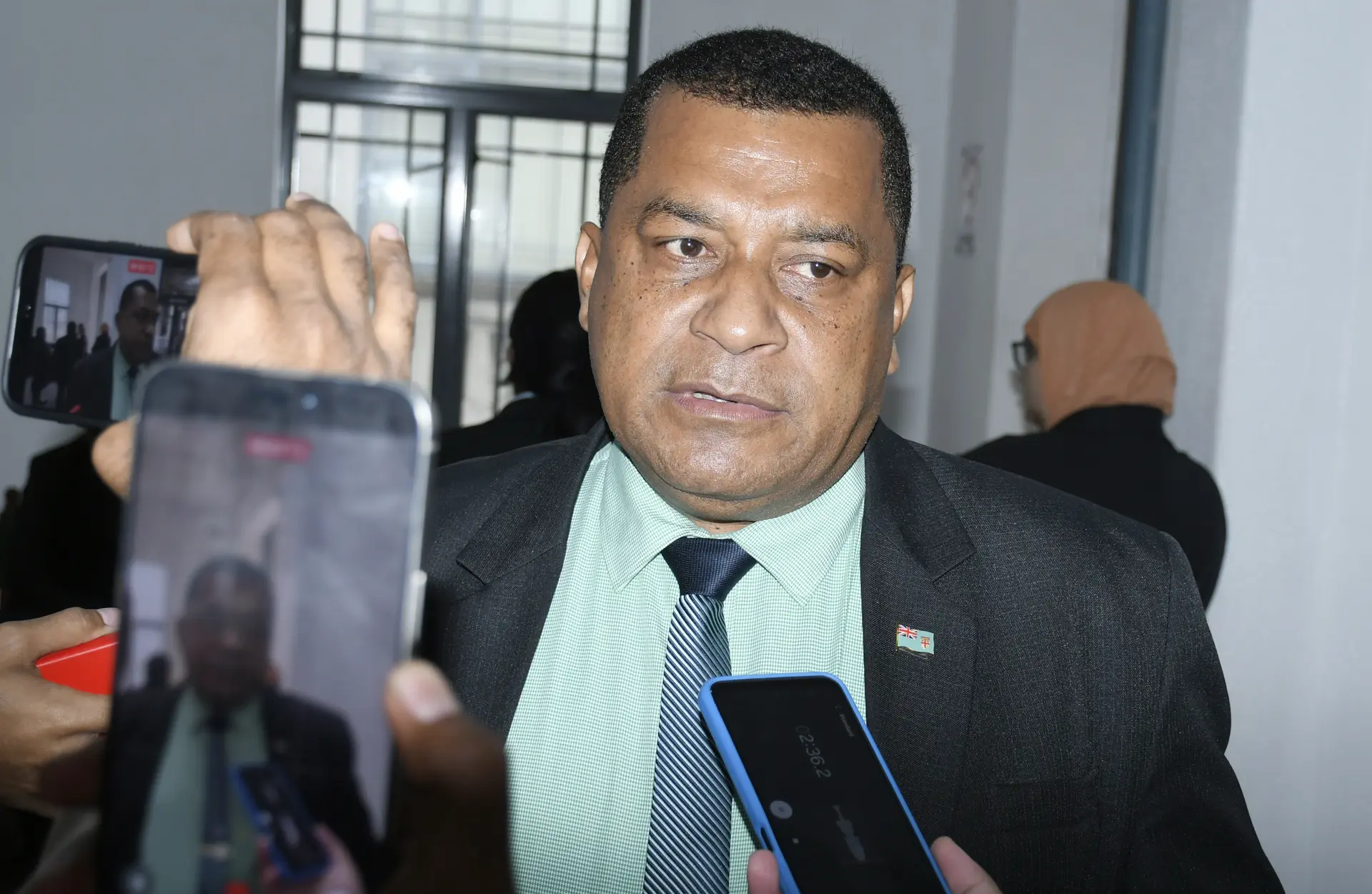
The Minister for Health and Medical Services, Dr Atonio Lalabalavu. Photo: Leon Lord
Sixteen health facilities in Fiji sustained damage during a series of tropical cyclones from 2010 to 2022 of which four are awaiting reconstruction, health minister Dr Ratu Atonio Lalabalavu revealed.
The health minister said this made health services inaccessible to a number of communities that were already disadvantaged due to their remote locations and faced with challenges with public transportation.
Speaking during the World Health Organisation Climate Change SIDS Ministerial at the sideline of COP28 in Dubai, Dr Lalabalavu outlined the direct and indirect health impacts of extreme weather events on health and the Fijian healthcare system.
Related stories
He highlighted the urgent need for health to be at the forefront of climate change discussions, urging global collaboration to mitigate the health impacts of climate change and build resilient health systems worldwide.
“This includes injuries, exacerbated chronic diseases, climate-sensitive disease outbreaks, and mental trauma. With Fiji experiencing first-hand the brunt of flash flooding, droughts, storms, landslides, and sea level rise, the impact on health is no longer theoretical but an everyday reality,” Dr Atonio said.
Vulnerable facilities
He said 41 per cent of healthcare facilities located within 500 metres of the coastline were highly vulnerable to extreme weather events.
“From 2010 to 2022, Fiji endured 20 cyclones, causing devastating damage to health infrastructure. Despite efforts, four health facilities are still awaiting reconstruction, limiting access to healthcare for remote communities,” he said.
He said every climatic event significantly affected human health through its impact on environmental determinants such as clean air, safe water, sanitation, food security, and shelter.
The survival and wellbeing of human kind, he emphasised, were central to the ongoing discussions, reinforcing the crucial role of health systems and services.
Fiji’s commitment
In response to the escalating challenges, Dr Lalabalavu highlighted Fiji’s commitment to addressing climate change health impacts.
Initiatives such as the “Piloting Climate Change Adaptation to Protect Human Health” (PCCAPHH) and the Climate Change and Health Strategic Action Plan (CCHSAP) were launched to enhance the capacity of Fiji’s health sector.
Dr Atonio acknowledged the irreversible loss and damage caused by climate change, citing examples of forced relocations, landslides, and cyclone impacts on communities.
“Fiji is actively working towards reducing greenhouse gas emissions and building climate-resilient healthcare facilities. The Minister emphasised the importance of a collaborative approach, involving non-health sectors in climate change and health co-benefits.”
Feedback: inoke.rabonu@fijisun.com.fj