Disability inclusion urged in disaster planning
Advocates are calling for inclusive planning and accessible infrastructure to improve disaster resilience.
Wednesday 24 June 2026 | 14:00
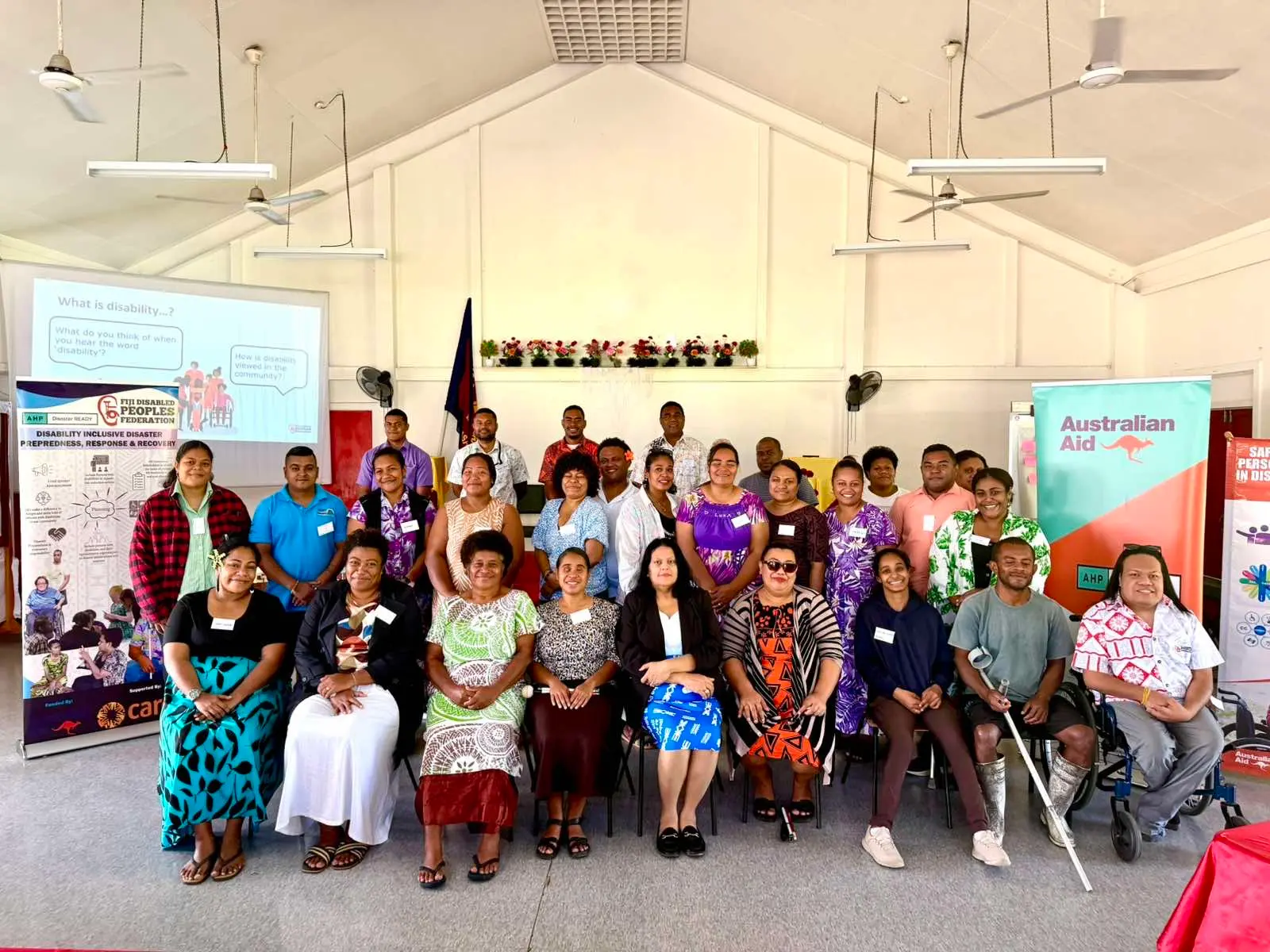
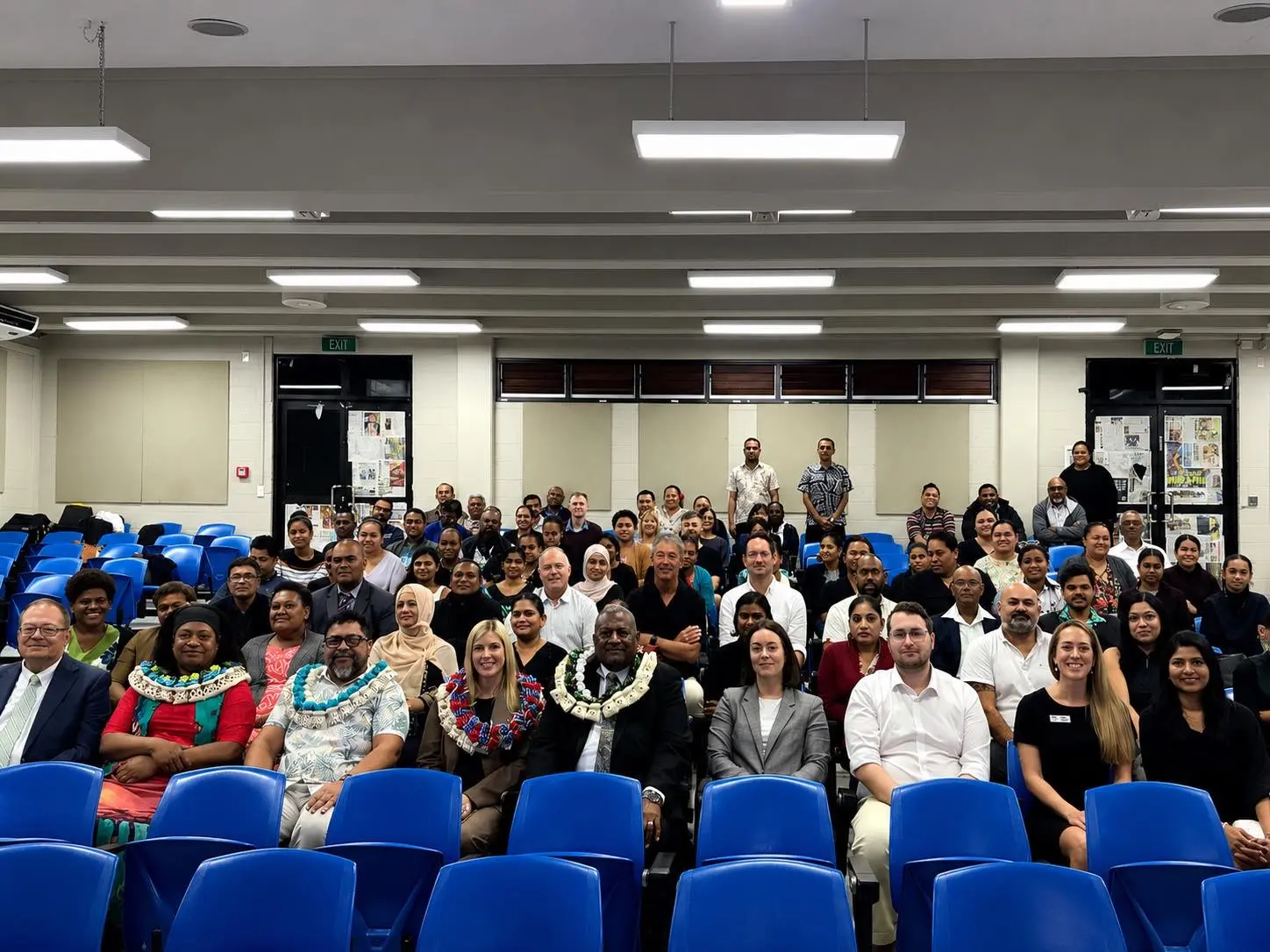
Participants at the disaster ready workshop in Labasa.
Photo: Talei Roko
A lack of accessible evacuation centres is putting people with disabilities at greater risk during disasters, stakeholders heard during a three-day training underway in Labasa.
Participants at the Disaster Ready Training, organised by the Fiji Disabled Peoples Federation (FDPF) in partnership with the Australian Humanitarian Partnership (AHP), were told that inclusive planning remains a major gap in disaster response efforts.
The training, which began Monday at the Salvation Army Church Hall, brought together stakeholders to strengthen awareness of disability-inclusive disaster preparedness.
Related stories
FDPF’s Programme Coordinator for Inclusive Climate Action and Disaster Risk Reduction, Jay Nasilasila, said people living with disabilities are often left behind during recovery efforts.
“After a disaster, persons with disabilities face additional barriers in accessing support services and relief supplies,” he said.
Mr Nasilasila highlighted that recovery responses rarely incorporate accessibility, especially in temporary shelters and infrastructure.
“Disaster responses often lack clear policies or guidance to ensure disability inclusion,” he said.
He also pointed out gaps in early warning systems, noting that alerts are not always accessible to people with visual or hearing impairments.
“During emergencies, warnings may not reach those who are deaf or visually impaired, putting lives at risk,” he said.
Access challenges worsen during disasters, as damaged roads and pathways make it difficult for individuals using wheelchairs or mobility aids to move safely.
“In the past, evacuation centres have been inaccessible in some locations,” he added.
Mr Nasilasila stressed the need for a shift in mindset and planning, urging stakeholders to move away from simply identifying disability and instead focus on inclusive design.
“Not all disabilities are visible, and some individuals may not wish to disclose their conditions due to stigma,” he said.
He emphasised that disaster systems—not disasters themselves—create exclusion.
“Disasters do not discriminate, but our systems can,” he said.
He called for all new evacuation centres and public buildings to be designed with accessibility in mind, stressing that inclusive infrastructure is key to resilience.
“Accessible infrastructure is essential to ensure that no one is left behind when emergencies strike,” he said.