Everlasting Mini Canoes For Sustainability
Lightweight sustainable 8m mini wind/solar powered fishing canoes could be the future for sustainable fishing transport for 10 women of five provinces.
Wednesday 03 May 2023 | 19:30

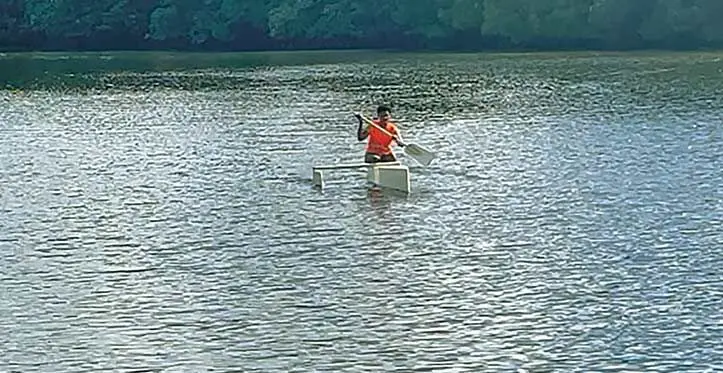
Lightweight sustainable 8m mini wind/solar powered fishing canoes could be the future for sustainable fishing transport for 10 women of five provinces.
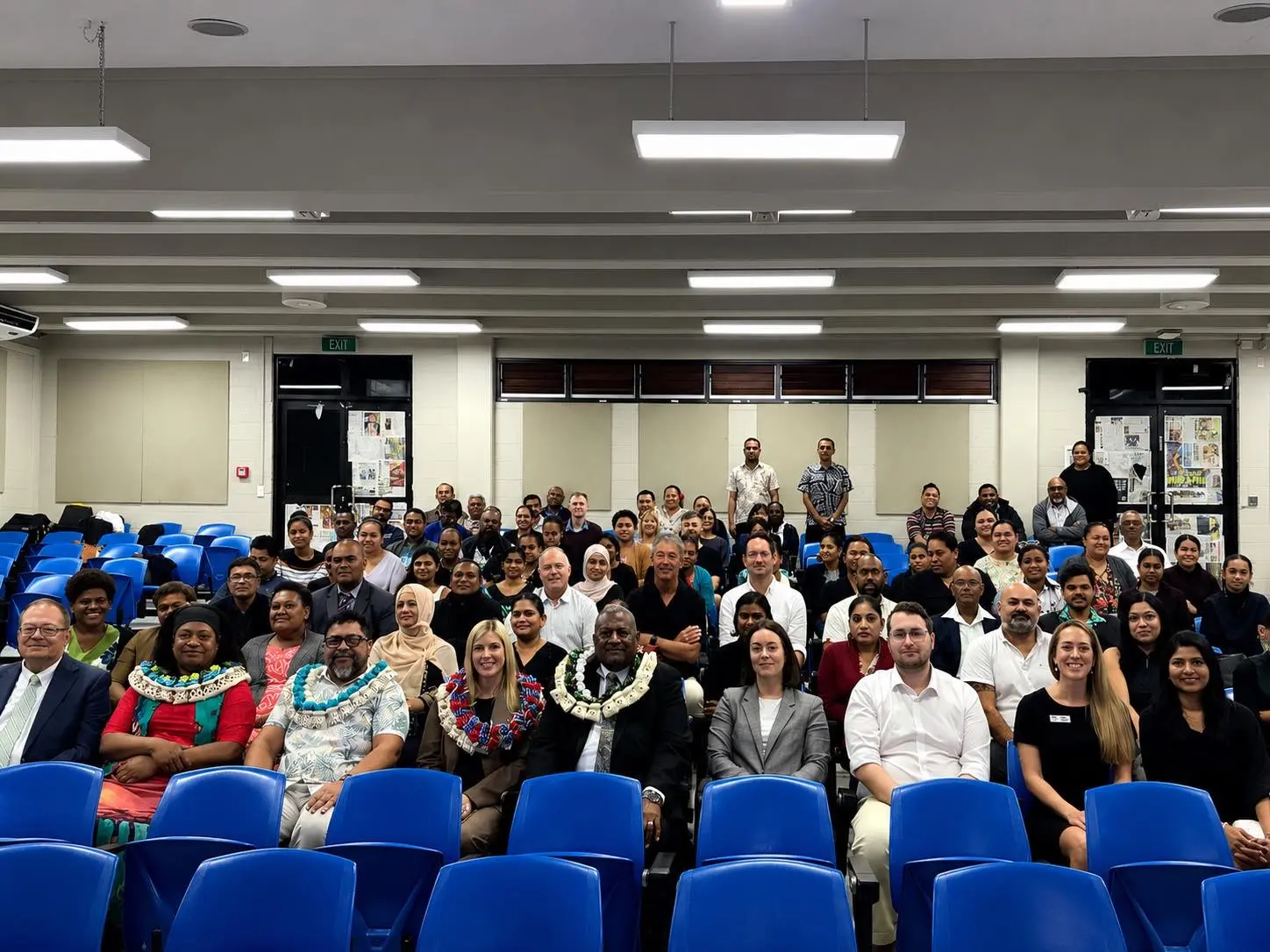
Following a five-day workshop on boat building facilitated by Australian-based cruise boat building company Harryproa in partnership with Women in Fisheries and the United Nations Development Programme.
Boat builder and designer Rob Denney said the boat building training was to give women the confidence, the ability to build a boat from which they can fish. and the capacity to teach others.
Related stories
“The ‘importance’ of building their own boat is that it gives them pride and ownership, plus teaches them how to maintain and repair the boats, something often missing from donated boat programs,” Mr Denney said.
“Future boats will be owned by the women who build them. That is the purpose of the train the trainer model.
“The ones we built in the workshop will be given to the participants to test and alter if required. They will also get a prototype I built which we are modifying. “
Boat Building Materials
Mr Denney said the boats were built from similar materials used as soda bottles which included foam, fiberglass and epoxy resin (PET).
He said the foam was not produced from recycled PET because of costs however in future, boats should be cheap as foam could be recycled.
“Fiberglass is fine filaments of glass, which is basically melted sand. Epoxy will, over time break down in the sun unless painted. We use cheap house paint for this.
“The point of these boats is that they are, to all intents and purposes, everlasting.
“If they are damaged, they are easily repaired. They will not rot or deteriorate.
“While ‘everlasting’ is a problem with most products, it is not for these boats as long as somewhere in the world, someone needs a canoe to fish from. If/when this is no longer the case, the material in the boats could be recycled.”
Mr Denney said the mini fishing canoes would help women go out to fish and provide for their families.
“If there was a boat, it was too heavy for a single person to carry down the beach and/or too expensive to run (outboard motor) and/or made of wood so it was probably rotten,” he said.
“This program aimed to show that women could build their own boats which are light enough to carry home to avoid the inevitable damage from leaving them on the beach.”
Boat Building Process
He said boat building followed a simple process.
“The boats are not pretty, but they are functional, light and easily built,” Mr Denney said.
“The hulls are each made from two pairs of rectangular foam panels and one or two bulkheads.
“The only measurements are the length, breadth and centrelines. The foam is fibreglassed on a flatsurface then the panels glued together.
“The shapes are self forming, there are no frames or jigs required.
“The beam joining the hulls and the paddle are also built on a flat table, with no measuring required apart from the length.
“Power tools are not required. The boats are built with a utility knife, scissors, scraper, tape measure, sheet of sandpaper and a square.”
The boat building training was held at the Centre for Appropriate Technology and Development Nadave, Nausori.
Feedback: laiseana.nasiga@fijisun.com.fj