Fiji Police: Noticeable rise in cheque washing
Inspector Ali said bank cheques were obtained, modified and used to purchase items such as tyres and liquor in bulk.
Tuesday 26 February 2019 | 12:43

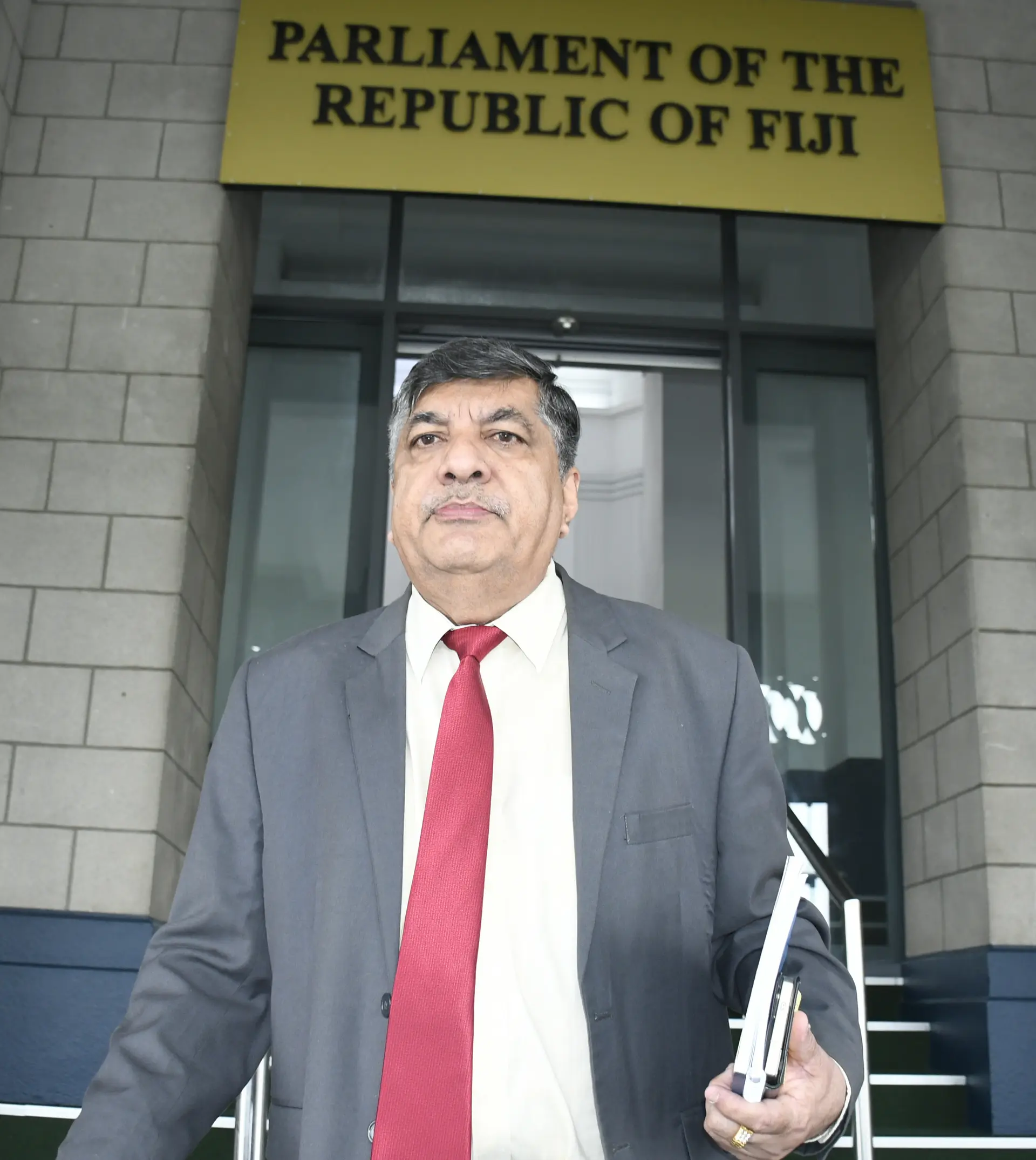
Cheque washing has become an ongoing trend in Fiji with a noticeable increase since 2017, says the Manager of the Fiji Police Force Anti-Money Laundering and Proceeds of Crime Unit Inspector Aiyaz Ali.
Inspector Ali made the remarks during the Fiji Police Force’s submission to the Standing Committee on Economic Affairs regarding the Fiji Financial Intelligence Unit’s 2017 Annual Report.
Cheque washing is the process of erasing details from cheques using chemicals which allows them to be rewritten, usually for criminal purposes such as fraudulent withdrawals from a victim’s bank account.
Related stories
Inspector Ali said bank cheques were obtained, modified and used to purchase items such as tyres and liquor in bulk.
“The trend that we have seen here is that it normally happens on a Friday afternoon before business closes,” he said.
“Not many questions are asked on a Friday afternoon because everyone is in a rush and the cheque goes through.
“Only when it goes to the bank than people realise that the cheque is dishonoured.”
Inspector Ali said they had also seen an influx of Automated Teller Machine (ATM) scams.
“In terms of ATM scams, there are two folds to it, skimming, and unauthorised withdrawals,” he said.
“Skimming means culprits are installing devices in the ATMS and stealing data from cards such as credit card numbers and the Personal Identification Number (PIN).
“So skimming happens in one jurisdiction and withdrawal happens in another.”
He said they had arrested two Cyprus nationals who had committed skimming elsewhere, but were doing the withdrawals in Fiji.
“We were able to seize $293,000 from these two nationals, which they were keeping in the hotel,” Inspector Ali said.
He added they had two convictions in 2017 where two USP students had gotten hold of their landlords credit card data and with internet banking, were able to transfer money in excess of $25,000.
“We have seen that a lot of times fraud occurs because of sharing of password and PIN,” Inspector Ali said.
He urged the public to be vigilant and more importantly to keep one’s password and PIN a secret because such crimes were a breach of trust.
Edited by Epineri Vula
Feedback: neelam.prasad@fijisun.com.fj