Fire deaths prompt NFA call for stronger lodging house safety laws
CEO tells parliamentary committee current laws leave rural accommodation outside the authority's reach.
Tuesday 28 July 2026 | 05:30

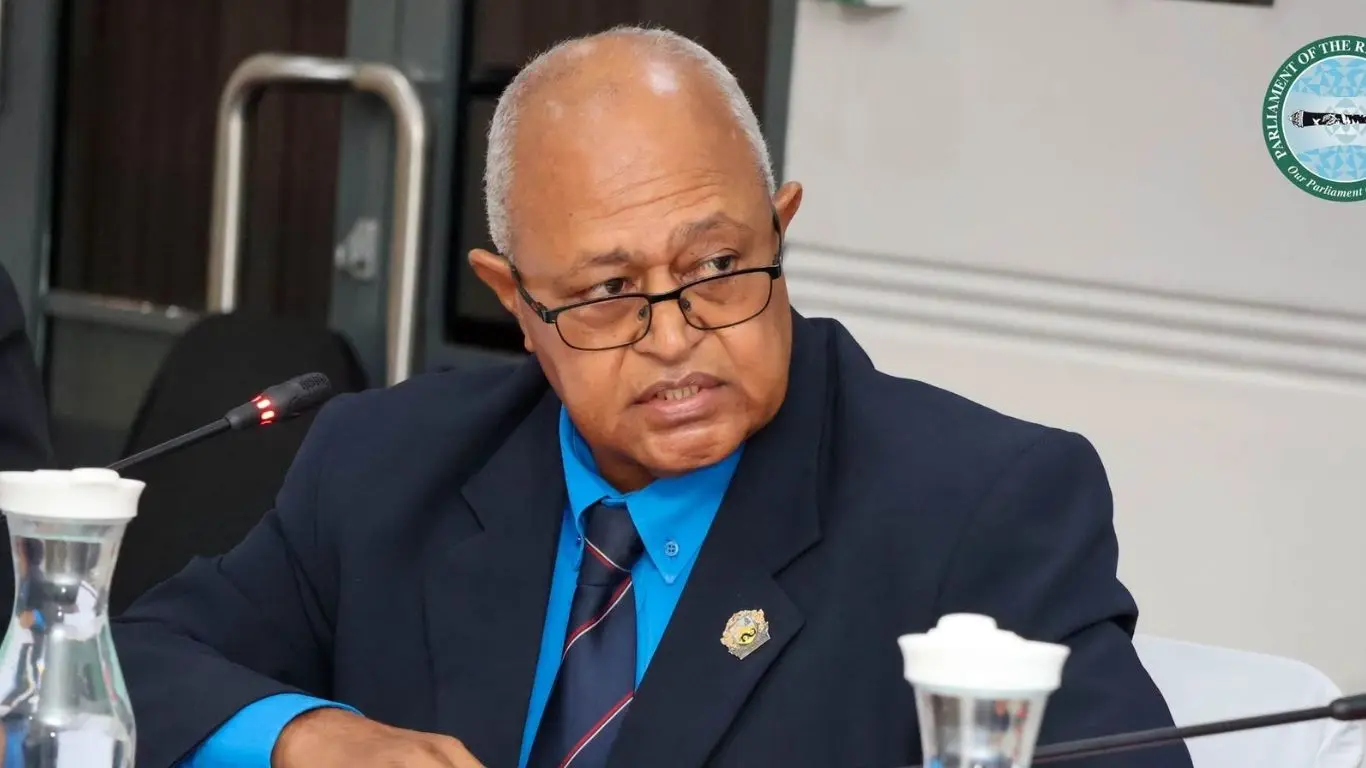
National Fire Authority chief executive officer Puamau Sowane efore the Standing Committee on Social Affairs in Parliament.
Photo: Parliament of Fiji
The National Fire Authority (NFA) is calling for mandatory fire safety certification for lodging houses as the number of fatal house fires continues to rise this year.
NFA chief executive officer Puamau Sowane made the recommendation while appearing before the Standing Committee on Social Affairs on the Public Health (Amendment) Bill yesterday.
"Last year, there were 14 deaths from fire. Compared to that, we already have 12 deaths, and we still have five more months. How many more people are going to die in house fires?" Mr Sowane said.
Related stories
He recommended that applicants for lodging house licences be required to provide evidence of fire safety measures, including fire extinguishers, smoke alarms, emergency lighting, safe means of escape and evacuation plans.
"Accommodation premises present high life-safety risks during a fire, and the NFA ensures compliance with the National Building Code of Fiji for Class 2 and Class 3 buildings," he said.
Mr Sowane warned that gaps in the proposed legislation left rural accommodation vulnerable to deadly fires.
He said Clause 41 currently requires proof of tax and business registration, ownership, and a waste management plan, but makes no reference to fire safety compliance.
Committee member Ketan Lal questioned whether the proposed requirement would duplicate existing NFA processes.
In response, Mr Sowane said the NFA's powers under its Act currently extended only to municipal boundaries and did not cover rural areas.
"With this amendment Bill, we will also be empowered to look into the rural set-up," he said.
Ministry of Health Water, Sanitation and Hygiene coordinator Toga Vosataki said the issue could also be addressed through local authorities.
He suggested that even if the NFA was not directly represented on the Board of Health, applications could be circulated to the authority and other relevant agencies for technical advice before approvals were granted.
"We can get their advice in terms of developments in rural areas, again learning from the fire at Nadoria in Dreketi, Rewa, where one fire led to another four house fires," Mr Vosataki said.