Former coup figure expresses remorse, urges Fiji to reject coups
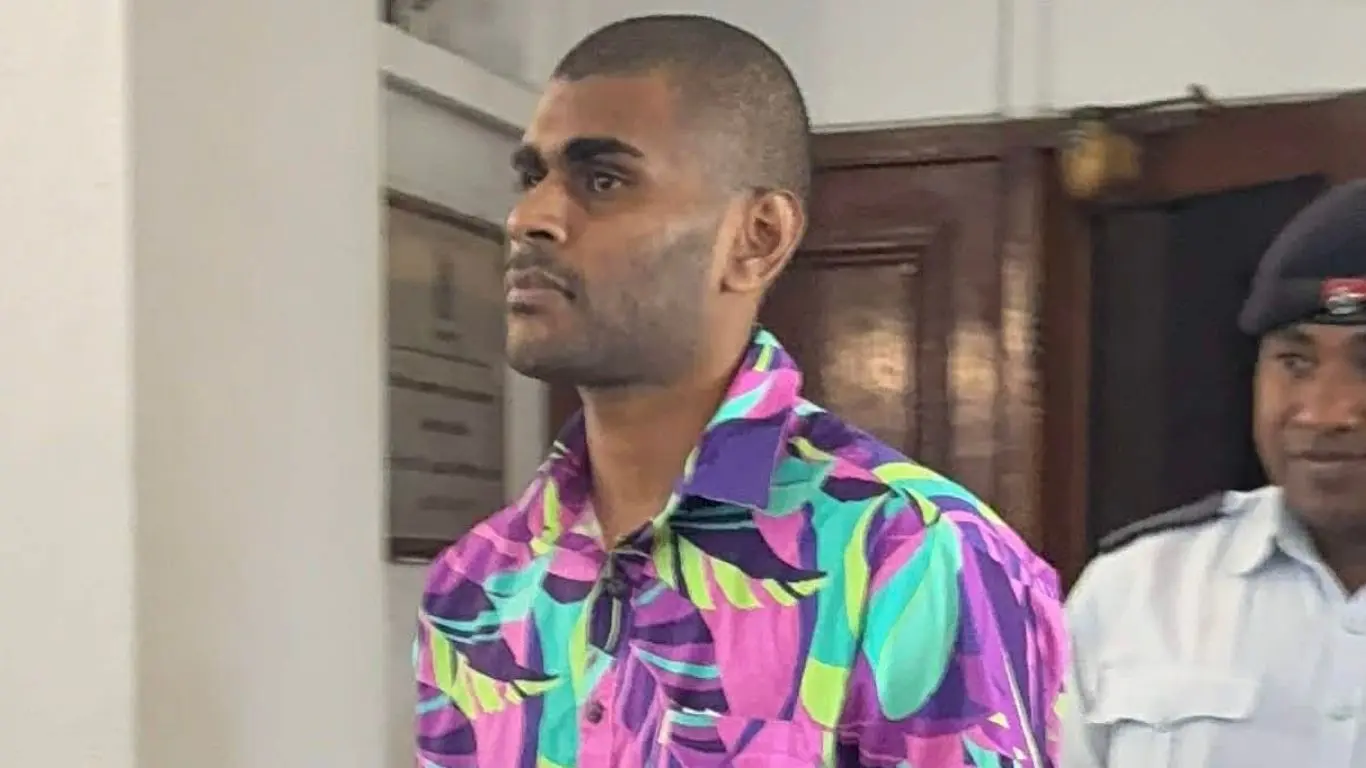
Mr Nata, who served 24 years in prison, described himself as a traitor and said he would carry the shame of his actions for the rest of his life.
Saturday 20 June 2026 | 11:00
A key figure in the 2000 coup has expressed deep remorse for his role in one of Fiji's darkest chapters and issued a passionate plea to indigenous Fijians never to support another coup.
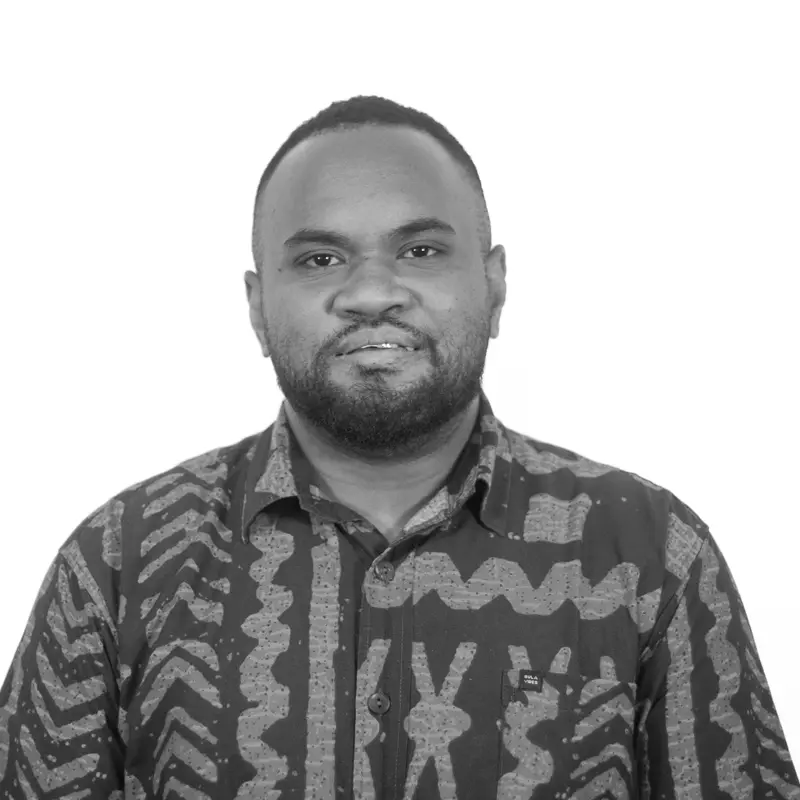
Appearing before the Fiji Truth and Reconciliation Commission, Josefa Soqulu Nata, commonly known as Jo Nata, said he accepted full responsibility for his involvement in the events of May 2000 and the pain they caused.
Mr Nata, who served 24 years in prison, described himself as a traitor and said he would carry the shame of his actions for the rest of his life.
Related stories
“I take this opportunity to express my remorse and regret in being involved in the events of 2000,” he told the Commission.
“No coup, in my view can ever be justified.”
“I served 24 years in prison and I deserved every minute of it.”
Speaking candidly about the impact of the coup, Mr Nata said the events of 2000 caused widespread destruction and deepened divisions between iTaukei and Indo-Fijians, consequences he believes Fiji continues to experience today.
He acknowledged betraying those closest to him, including his family, political colleagues and former President Ratu Sir Kamisese Mara.
“I was a traitor, as the Court rightly described me,” he said.
“I betrayed my chief, the late President and founding father and first Prime Minister, Tui Nayau, Sau ni Vanua ko Lau, Tui Lau, Ratu Sir Kamisese Mara.”
“I betrayed the Government I was a part of.”
“Most ashamedly, I betrayed the people I loved most – my two girls Heilala and Tiara and son ‘Ulukalala.”
Mr Nata said he informed his children before appearing before the Commission and assured them he would never again cause them pain.
He also reflected on the effect his actions had on his wider family, village and community.
“My brothers and sisters and their children who were all close to me, my extended family, my yavusa, my mataqali, my village. I brought shame to all of them.”
Drawing on his experiences since leaving prison, Mr Nata said he had consistently spoken out against coups and warned Indigenous Fijians against supporting future unconstitutional takeovers.
“Through this Commission, I plead to the taukei population, never ever support a coup again,” he said.
“The lot of taukei Fijians have not improved a single bit arising out of 1987 or 2000.
“If anything, taukei Fijians’ situation has regressed.”
Mr Nata also criticised the role played by sections of the Methodist Church during the coups of 1987 and 2000, saying there was “nothing Christ-like” in supporting unconstitutional actions.
He said prison changed his outlook on life and deepened his understanding of Christian teachings on peace, forgiveness and respect for authority.
“The reality of unlawful takeovers is that one group of people will suffer more than others,” he said.
“In 1987 and 2000, it was the Indians that suffered.”
Mr Nata's testimony forms part of the Truth and Reconciliation Commission's efforts to examine the causes and consequences of Fiji's coups and promote national healing.
His appearance before the Commission comes as it continues gathering evidence from individuals involved in key events that shaped Fiji's political history.