Former educator calls for more practical skills in schools
She said introducing non-formal education alongside academic learning could help reduce truancy, school dropouts and youth unemployment.
Sunday 31 May 2026 | 10:00
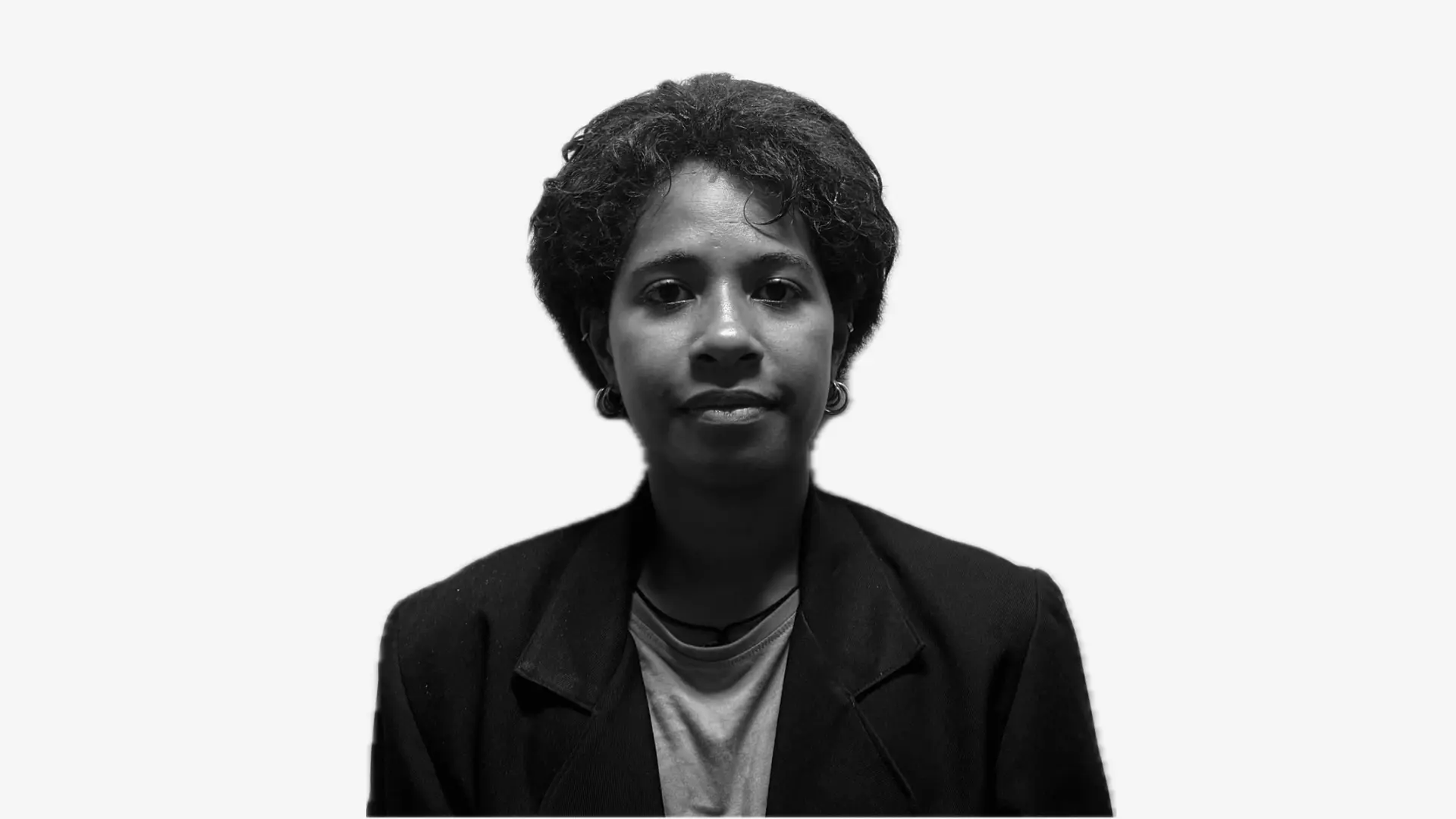
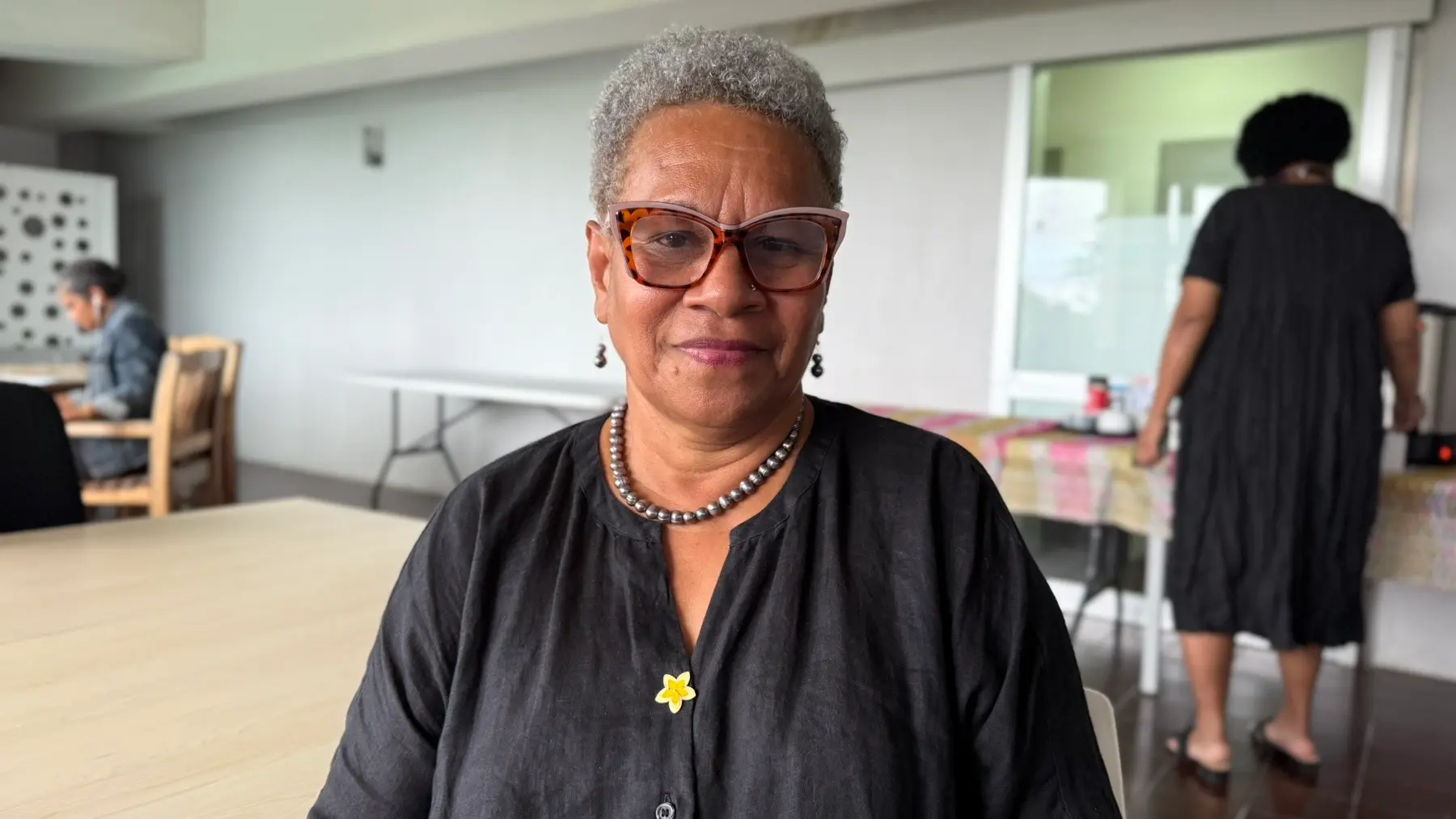
A former teacher and grassroots advocate is calling for Fiji’s education system to place greater focus on non-formal and vocational learning, saying many students are gifted with practical skills rather than academics.
Speaking from more than a decade of experience in education and community work, Acalia Dokonivalu said too many students were being left behind because the school system was heavily centred on academic achievement.
“Not many of these children can excel academically, but many are gifted with their hands,” she said.
Related stories
Dokonivalu believes schools should incorporate more practical and vocational subjects from an early age, including weaving, tailoring, jewellery-making, craftwork and agriculture.
“As long as they can earn and put bread and butter on the table using the skills they have, then that is also education,” she said.
She said introducing non-formal education alongside academic learning could help reduce truancy, school dropouts and youth unemployment.
“If a child knows they can do both academically and non-formal education, why not?” she said.
“But my concern is for the ones that cannot do well academically. What alternatives are there for them?”
Drawing on her experience as a former Technical and Vocational Education and Training (TVET) teacher and community trainer, Dokonivalu said many students lose confidence in school because they feel the system does not recognise their strengths.
“The government is providing free education, but some children are not interested because they already believe they cannot do it,” she said.
“But with their hands, yes, they can do it.”
Dokonivalu also reflected on craft training programmes she conducted at Lautoka Prison during the 1990s, where she discovered inmates with untapped creative talents.
“There were very talented inmates there,” she said.
“They could draw, make crafts and do beautiful work with their hands. Those are the skills that need to be revived and incorporated back into the education system.”
She stressed the importance of preserving traditional knowledge and cultural practices, warning that younger generations were slowly losing touch with their identity and local resources.
“If we continue in this trend, the next generation will be lost,” she said.
“They will not know their culture, their traditional values or the resources they have around them.”
Dokonivalu currently works with the Pacific Women Economic Empowerment Programme (PECWI), travelling around Fiji to train women in weaving, fabric art, jewellery-making and tailoring, while encouraging communities to use natural resources found within their villages.
“We have so many resources around us that can be utilised,” she said.
“Tourism is growing, markets are growing and women can make a living from the skills they already have.”
She said empowering women financially was also important in breaking social barriers and encouraging more women to take on leadership roles.
“When women earn for themselves, they become more confident,” Dokonivalu said.
“We are seeing women now registering businesses, going to markets and creating opportunities for themselves.”
The former Bula Festival executive and 2022 We Unite Fiji candidate is preparing to contest the next general election, with grassroots empowerment, women’s leadership, environmental protection and non-formal education among the issues she hopes to advocate for.
“We are the women of now,” she said.
“We can deliver, we can do it, and we have already proven that in our communities, churches, districts and provinces.”