FWCC urges limits on military powers in Constitution review
FWCC wants Chapter 10 repealed and the military's constitutional role limited to national defence.
Saturday 04 July 2026 | 07:30

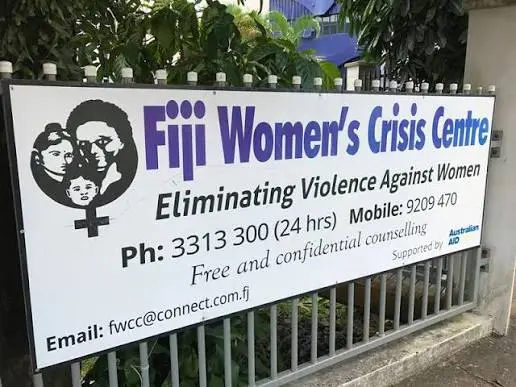
The Fiji Women's Crisis Centre (FWCC) has called for the removal of the 2013 Constitution's immunity provisions and a significant reduction in the constitutional powers of the Republic of Fiji Military Forces (RFMF), saying the changes are essential to safeguard democracy.
In its submission to the Constitution Review Commission (CRC), FWCC said Chapter 10, which grants immunity for actions linked to the 2006 coup, undermines accountability, equality before the law and public confidence in the justice system.
The organisation said the immunity provisions deny justice to victims of political unrest and could encourage future unconstitutional takeovers by shielding those responsible from legal consequences.
Related stories
FWCC has recommended repealing Chapter 10, restoring the courts' power to hear claims arising from past political events, ensuring victims have access to justice and compensation, and embedding a constitutional principle of zero tolerance for coups.
The centre also called for major reforms to Section 131 of the Constitution, arguing that the military's constitutional responsibility for the "security, defence and well-being of Fiji" is too broad and open to interpretation.
It said vague terms such as "well-being" could allow the military to extend its role beyond national defence into civilian governance.
FWCC recommended limiting the military's constitutional role to national defence and lawful security functions, removing vague terminology, reaffirming civilian supremacy over the military and strengthening safeguards against future military intervention in politics.
The organisation said Fiji's history of four coups demonstrated the risks associated with broad military powers and highlighted the need for clearer constitutional boundaries.
It said democratic governance could only be protected when military authority remained subject to parliamentary oversight, judicial review and constitutional accountability.