Giving Offenders A Second Chance In Life Does Not Mean We Condone The Crimes They Committed
All right thinking people condemn rape. Convicted offenders are sent to jail as punishment. After serving their prison term, they are released back to the community, many of them living under a veil of stereotypes that do not help in their rehabilitation.
Tuesday 05 April 2022 | 13:00
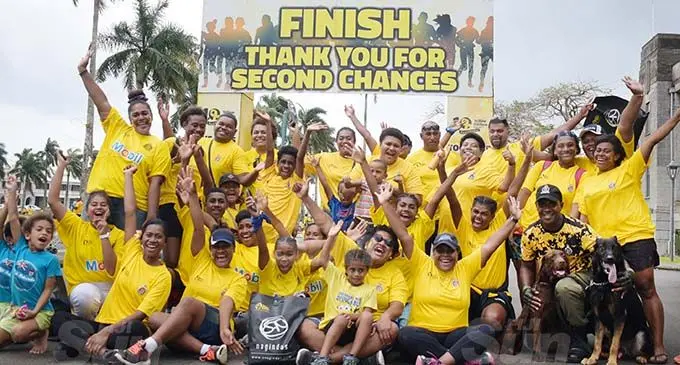
Fiji Corrections Service personnel and Yellow Ribbon supporters during the annual Yellow Ribbon Project walk at Albert Park on October 31, 2020. Photo: Ronald Kumar
All right thinking people condemn rape.
Convicted offenders are sent to jail as punishment.
After serving their prison term, they are released back to the community, many of them living under a veil of stereotypes that do not help in their rehabilitation.
Related stories
They face a stigma that makes it difficult to integrate in their respective communities.
They are shunned and isolated, creating an impression that they have lost their rights to live.
When they get released their rights are restored.
Yes it is true that everyone hates the crime they committed.
They have done their time in prison and paid the price.
They are given the opportunity to live a normal life on their release.
But the question is: Is it right to condemn them for life?
Of course not.
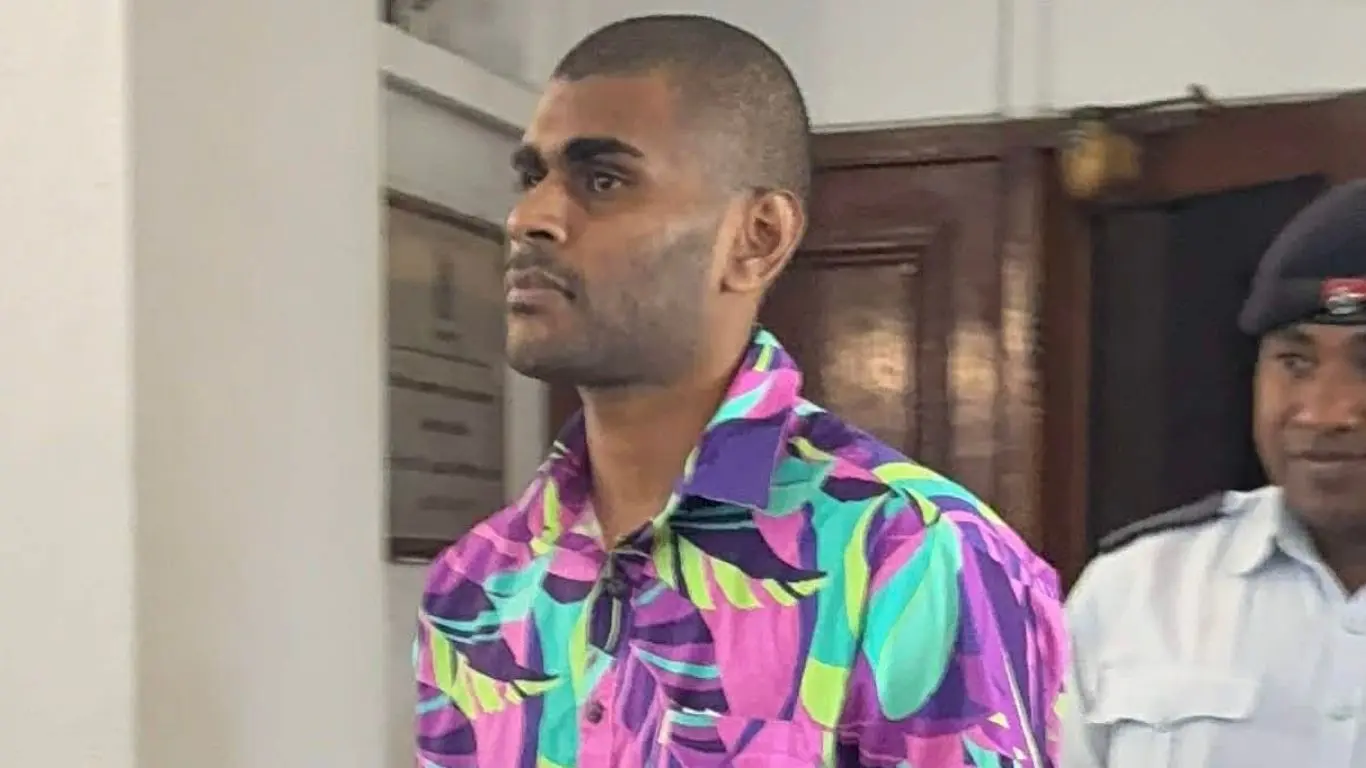
Yesterday the controversy about former Sevens rugby star Eminoni Nasilasila was discussed in Parliament.
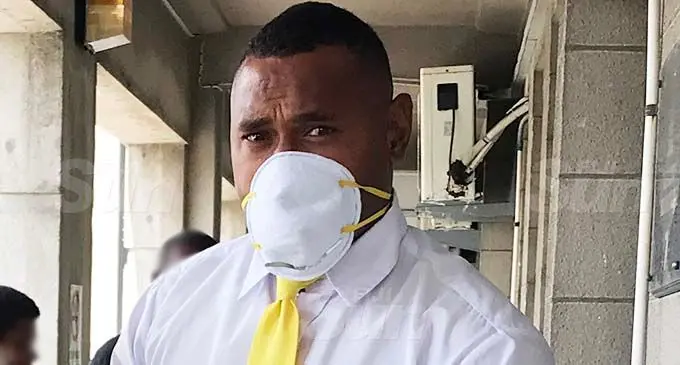
Amenoni Nasilasila outside the High Court in Suva. Photo: Ronald Kumar
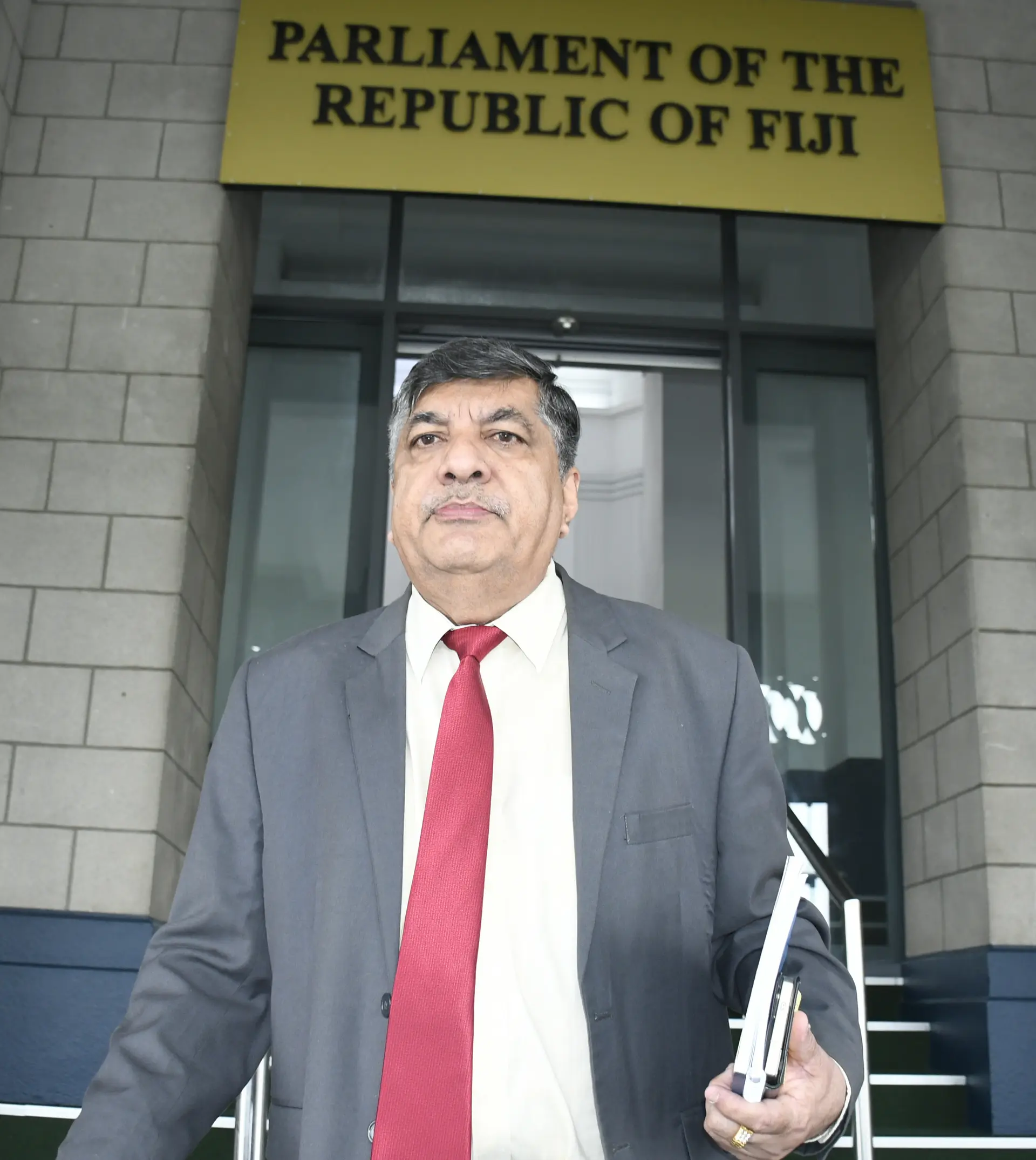
As was explained by Attorney-General Aiyaz Sayed-Khaiyum in Parliament yesterday Yellow Ribbon had helped significantly in reducing the rate of recidivism in Fiji from 50 per cent to 1.06 per cent.
That’s a remarkable drop and demonstrates the effectiveness of the project.
The rehabilitation starts in jail through a number of programmes that develop the inmates’ talents and potential.
It instills confidence and builds character so when they return home they are ready to focus as productive citizens not as criminal elements.
Sports activities are an effective vehicle.
In prison, inmates learn different trades and study for qualifications that will get them jobs when they leave with newly acquired skill sets.
And many have secured jobs through a programme that involves employers.
Inmates have been involved in cane cutting and arts where their paintings have been sold in the open market.
The Yellow Ribbon has also encouraged the temporary release of inmates to their communities under the supervision of the turaga ni koro (village headmen), chiefs and community leaders.
It has helped to remove the stigma that used to exist and creates the right atmosphere for the inmates to resume normal life after their release.
Commander Kean is within his powers to expand the activities under the project.
Feedback: nemani.delaibatiki@fijisun.com.fj