Govt absorbs bus fare and electricity hike costs
More than 350,000 bus users and 57,000 subsidised electricity customers protected from higher costs.
Friday 22 May 2026 | 05:30
Updated 22 May 2026 | 09:24 FJT

Bus fares and electricity bills will rise from Tuesday, but the Government will absorb much of the increase to shield households from the full impact of surging global fuel costs.
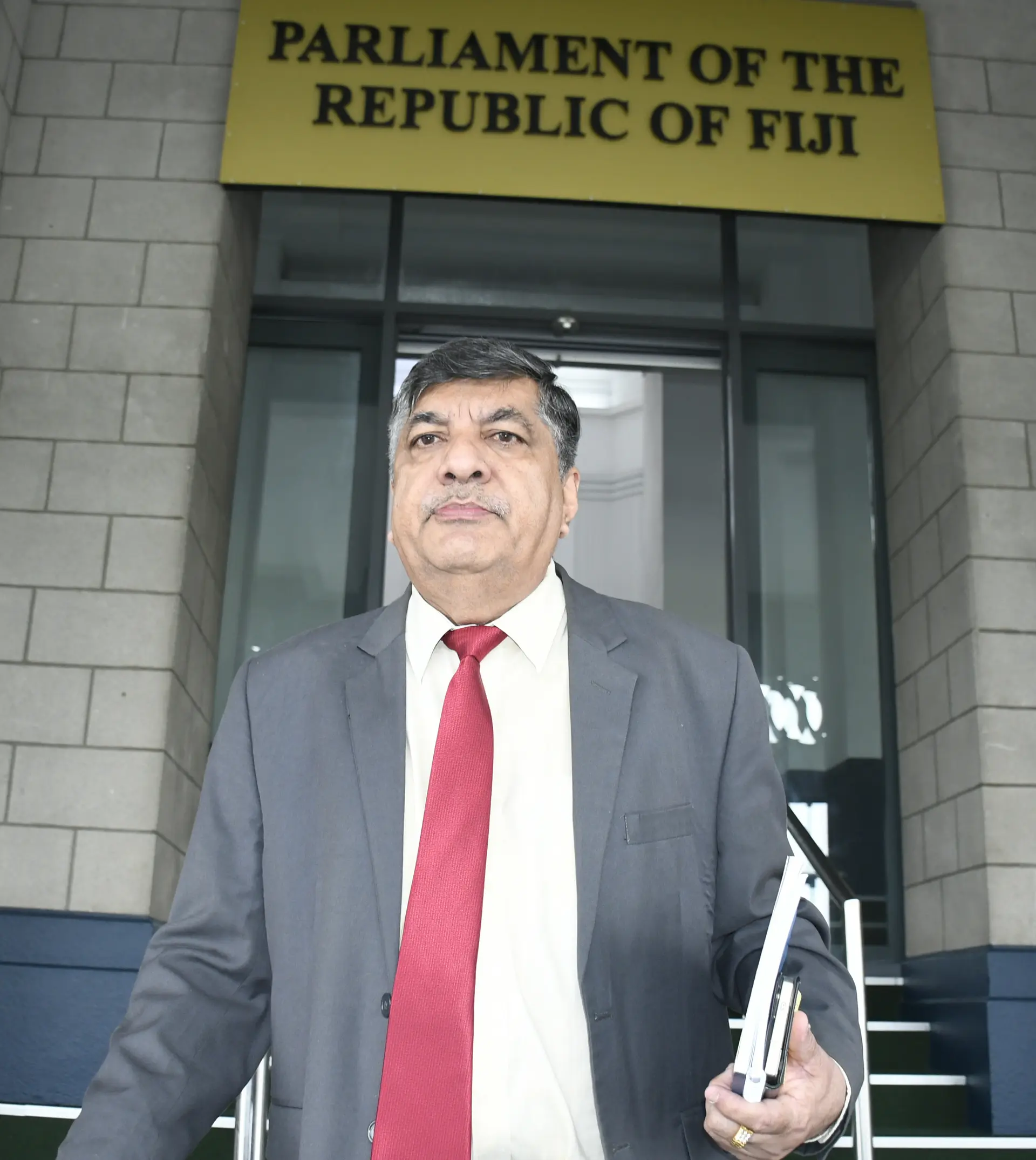
Finance Minister Esrom Immanuel confirmed that the Coalition Government would fully cover a 22.5 per cent increase in bus fares and an electricity surcharge of 5.91 cents per kilowatt hour for subsidised households.
The intervention is expected to cost about $2 million a month for bus fares and $4 million annually for electricity relief, on top of an existing $10 million yearly electricity subsidy.
Related stories
The measures will be financed through the redeployment of existing budget allocations, with additional support expected through AU$30 million from Australia and NZ$8.5 million from New Zealand in the coming weeks.
The increases, approved by the Fijian Competition and Consumer Commission (FCCC), will take effect on May 26 and are linked to rising global fuel prices driven by ongoing geopolitical tensions.
Both charges will be reviewed monthly and will remain in place if external pressures persist.
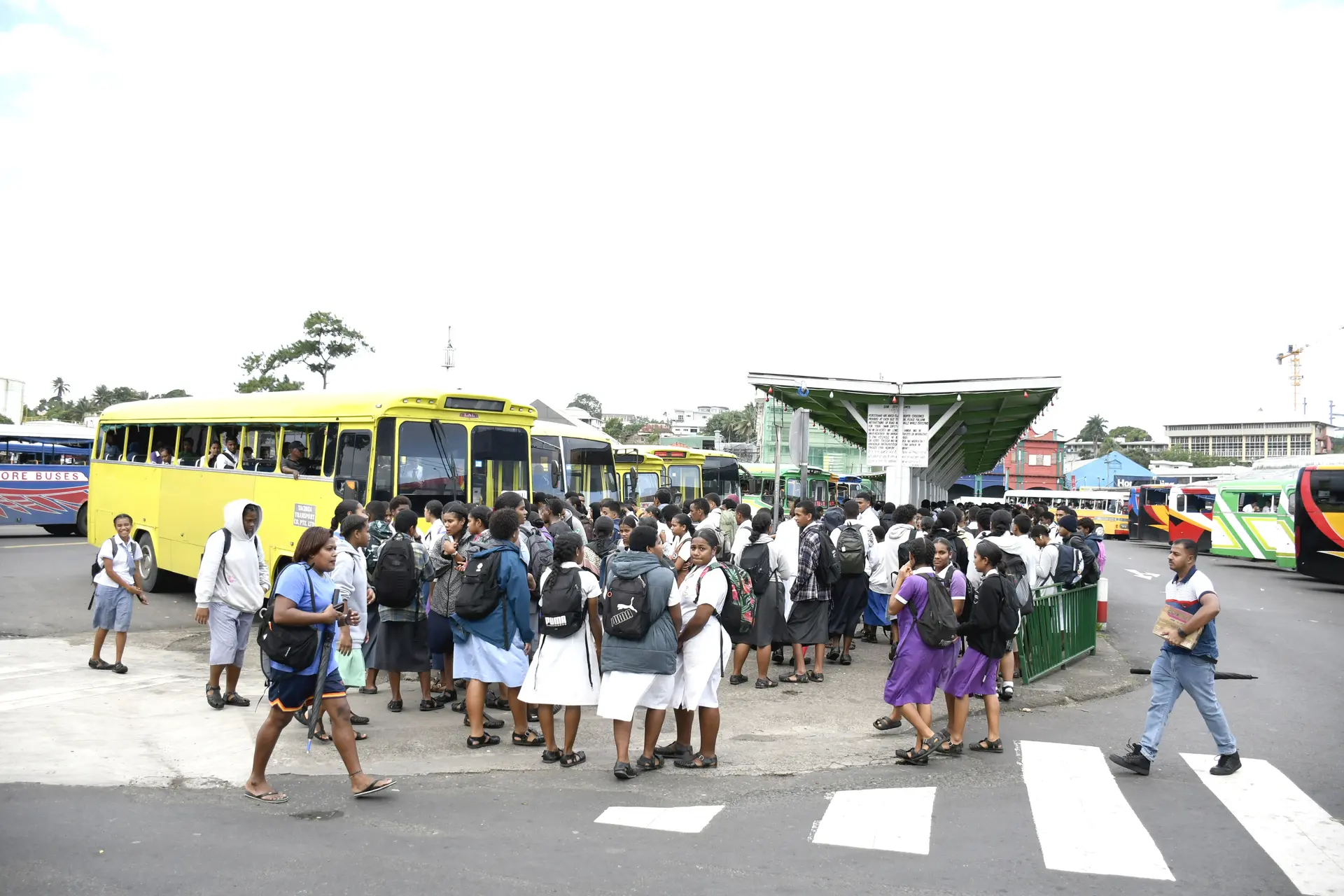
For commuters, the Government’s intervention means about 350,000 people who rely on bus transport daily, including students using blue, yellow and red travel cards, will not face additional costs.
Without the subsidy, Stage 1 fares would have risen from $1.02 to $1.25, while longer routes such as Stage 46 would have increased from $27.16 to $33.27.
In the electricity sector, more than 57,000 low-income households on subsidised tariffs will continue paying 17.67 cents per kilowatt hour. These are domestic customers earning below $30,000 annually.
However, non-subsidised residential customers will see tariffs increase from 34 cents to about 39 cents per kilowatt hour, adding roughly $11.82 to a typical $68 monthly bill. Commercial users are expected to face an average monthly increase of around $295.50.
FCCC chief executive Senikavika Jiuta said the adjustments were directly tied to global market conditions and would continue to be monitored monthly as geopolitical uncertainty persisted.