Govt raises cane harvesting payment to $5 a tonne
Farmers welcome higher harvesting rate but say rising costs continue to squeeze profits.
Monday 06 July 2026 | 10:00
Updated 06 July 2026 | 11:12 FJT
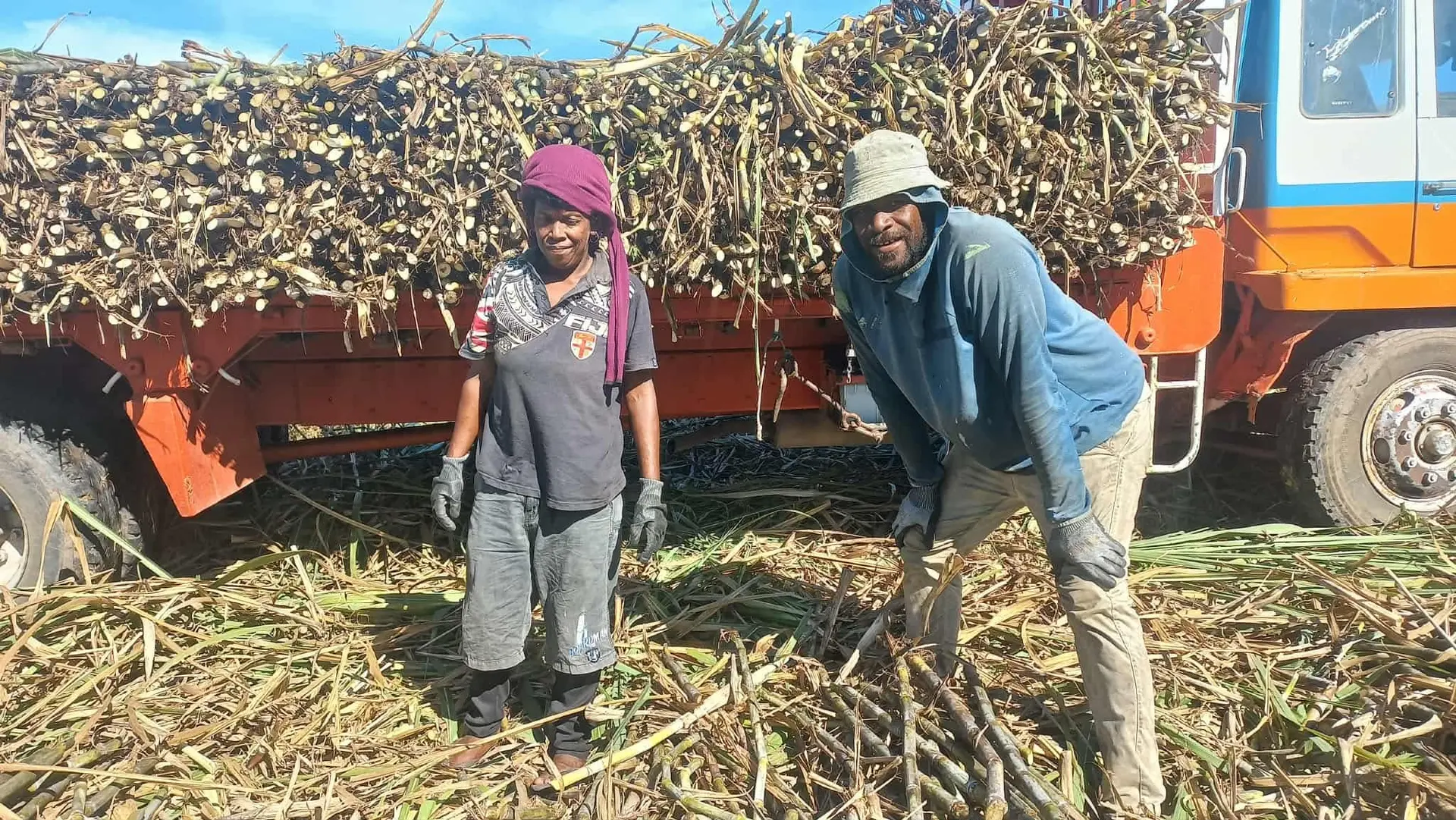
Sugarcane harvesters work on a farm in Lautoka.
Photo: Mere Ledua
Cane farmers across Fiji's sugar belt will receive a long-awaited increase in harvesting payments after the Government approved a rise from $3 to $5 a tonne to ease pressure on the struggling sugar industry.
The increase was confirmed by Parliament's Special Committee on the Sugar Industry during a meeting at Parliament Complex last Friday as part of measures aimed at restoring confidence among growers and maintaining harvesting operations during the crushing season.
Committee members said the increase recognised the important role of manual harvesters, who remain essential to cane production despite rising living costs and years of low payment rates.
The committee also said rebuilding trust in the industry remained a priority and acknowledged that poor communication about existing Government assistance had contributed to uncertainty among farmers.
Harvesting and crushing operations continue in both the western and northern divisions, with National Farmers Union (NFU) general secretary Mahendra Chaudhry dismissing reports of industrial action.
"Cane farmers are not on strike," Mr Chaudhry said.
The committee also directed the Fiji Police Force to increase patrols in cane-growing areas to protect standing crops and reassure farmers.
Consultation teams are expected to visit the western division next week to meet growers, millers and other industry stakeholders on measures to strengthen the sector.
While many welcomed the increase, some farmers said it did not fully offset rising production costs.
Tui Labasa Ratu Jone Qomate said manual harvesters deserved fair compensation for the work they carried out during the crushing season.
However, Nadi farmer Anil Kumar said the higher payment would still not cover increasing diesel prices, transport charges and harvesting machinery costs.
He said many farmers were also paying delivery costs out of their own pockets, making cane farming increasingly difficult.
"Delivery payments are less than what truck drivers and harvesters demand," Mr Kumar said.
He said growers were not on strike but wanted fair compensation to remain financially viable while meeting household expenses, including children's education and family living costs.