Health investments must deliver results for patients, says Assistant Health Minister
Penioni Ravunawa says infrastructure, technology and skilled workers must work together to improve healthcare access nationwide.
Thursday 26 November 2026 | 16:30

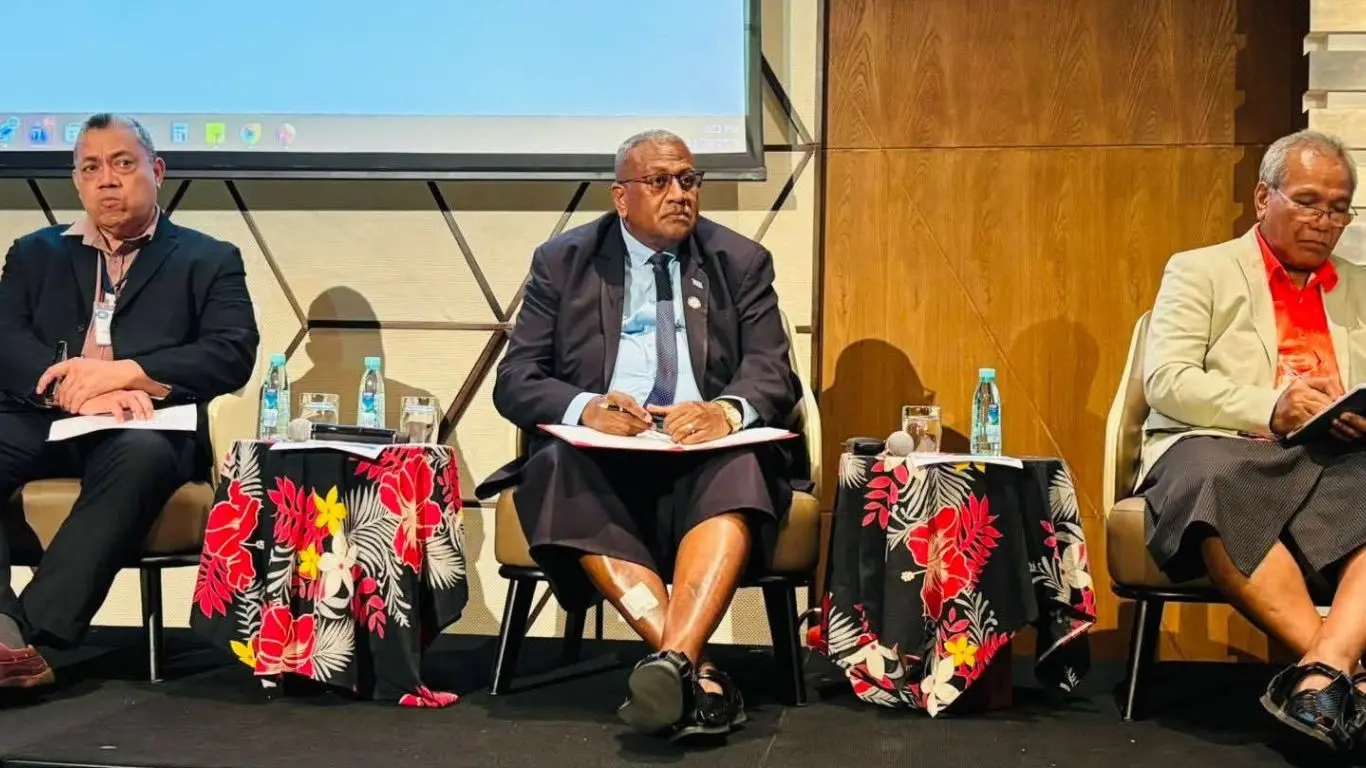
(From left) Tonga’s Minister for Health Dr Siale 'Akau'ola, Fiji’s Assistant Minister for Health Penioni Ravunawa and Tuvalu’s Minister for Health Taufafa Latas at the Pacific Healthy Islands Transformation (PHIT) Project Second Regional Implementation Support Mission at the Crowne Plaza Hotel in Nadi.
Photo: Supplied
Fiji must ensure investments in health infrastructure and technology translate into accessible, quality healthcare for people across the country.
Assistant Minister for Health and Medical Services Penioni Ravunawa says the success of the Pacific Healthy Islands Transformation (PHIT) Project will depend on stronger primary healthcare, effective implementation and a sustainable health workforce.
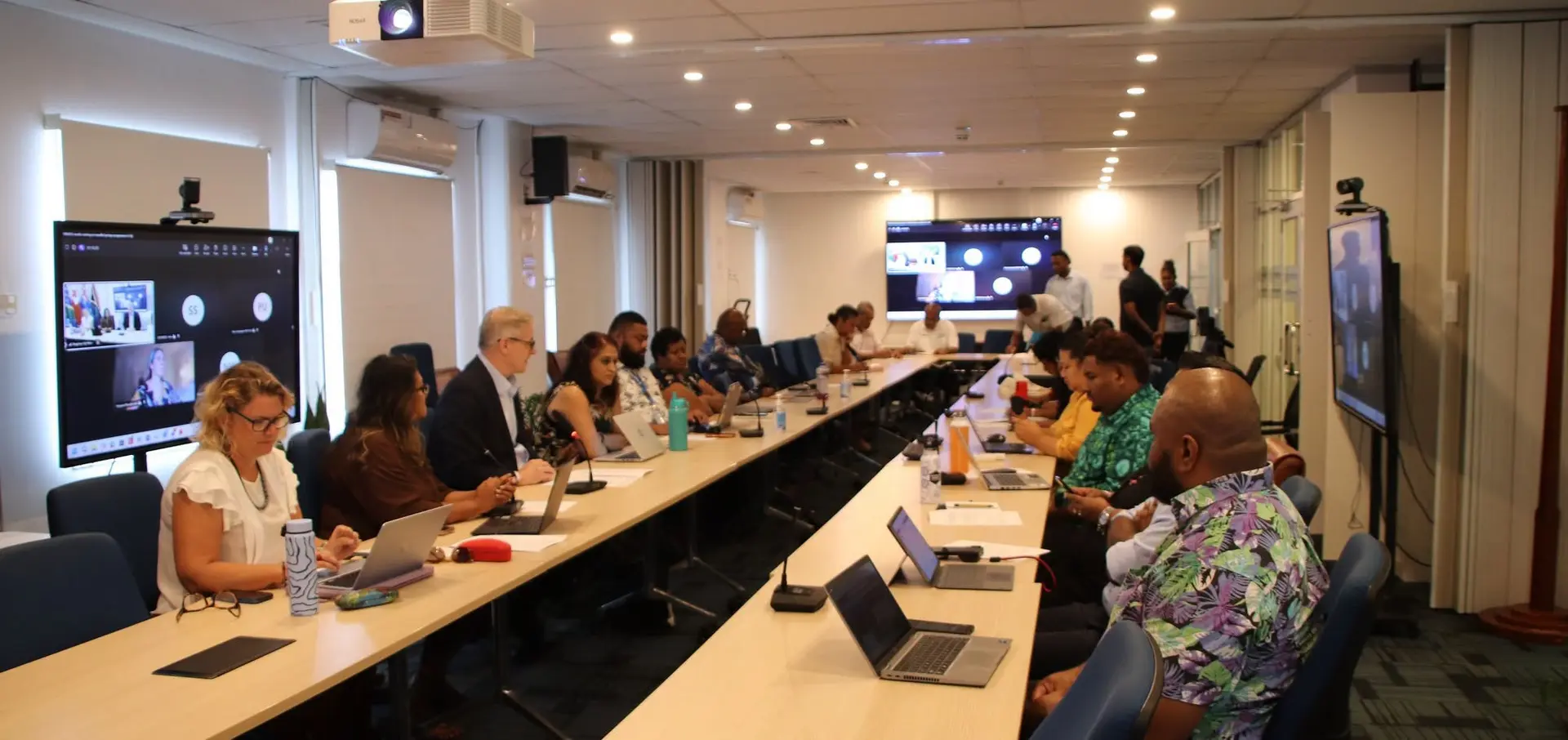
Speaking at the PHIT Project Second Regional Implementation Support Mission at the Crowne Plaza Hotel in Nadi yesterday, Mr Ravunawa said Fiji had already made important investments in the health sector, but the priority now was to ensure people benefited from them.
Related stories
“One message has come through very clearly for Fiji: we know broadly where we need to go. The challenge now is to translate that ambition into delivery,” he said.
He identified three priorities: establishing a fully operational Project Management Unit, completing a primary healthcare service-delivery assessment and strengthening strategic workforce planning.
Mr Ravunawa said building health facilities alone would not guarantee better healthcare if the necessary services and resources were not in place.
“A building is not a health service. A functioning PHC system requires the facility, workforce, equipment, medicines, diagnostics, digital connectivity, referral arrangements and operating systems to work together.”
He said qualified and adequately supported health workers were essential to delivering services, particularly as Fiji expanded cancer care, digital health and primary healthcare.
Mr Ravunawa said investments in infrastructure and technology would only achieve their intended purpose if they were supported by the necessary workforce.
“Ultimately, our success will not be measured by the number of contracts we sign, facilities we build or strategies we produce. It will be measured by whether a person, wherever they live in Fiji, can reach the right service, at the right time, and receive quality care from a capable and supported health team,” he said.