Health Minister Praises Cousin Who Looks After 97-Year-Old Grandmother
Minister for Health and Medical Services Doctor Ifereimi Waqainabete said everybody had a role to play to ensure the welfare and health of families.
Friday 25 October 2019 | 11:56
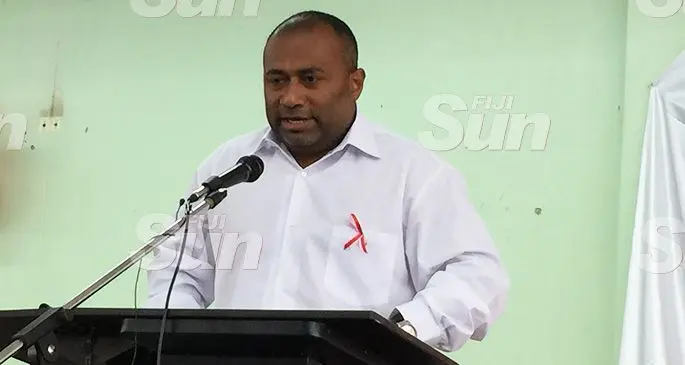
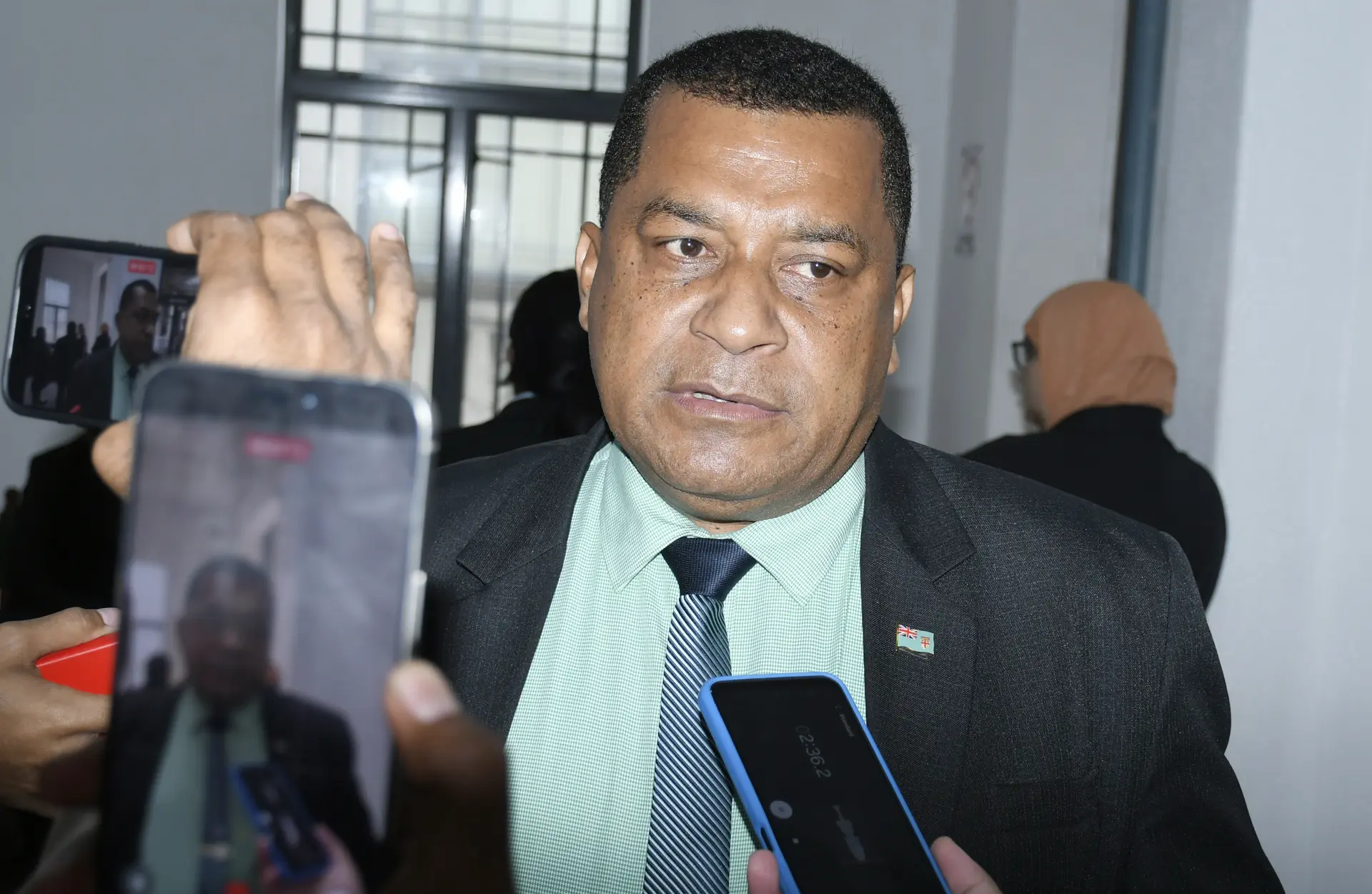
Minister for Health and Medical Services Doctor Ifereimi Waqainabete at the World Stroke Day at CWMH yesterday. Photo: Ashna Kumar
My greatest hero is my cousin who looks after our 97-year-old grandmother.
In highlighting this the Minister for Health and Medical Services Doctor Ifereimi Waqainabete said everybody had a role to play to ensure the welfare and health of families.
“We must work together as a nation, continue to pat people on the back and say thank you for looking after your mum and dad,” Dr Waqainabete said.
Related stories
He made the comments during the celebration of World Stroke Day at the Colonial War Memorial Hospital in Suva yesterday.
“I am grateful that families, community-based groups and professional societies support those who have stroke,” Dr Waqainabete said.
“We must raise awareness and advocate more about stroke so people are passionate about preventing stroke.”
He said Fiji was blessed that it was part of our culture, irrespective, which ethnicity we are from, that we care for unfortunate family members.
The celebration is a reminder of the importance of empowering everyone on the knowledge of stroke as a common non-communicable disease.
The World Stroke Day theme is ‘Face the Fact: Stroke is Treatable’.
“We are challenged to be proactive in our approach towards stroke, which is a preventable disease,” Dr Waqainabete said.
“Stroke is responsible for more deaths annually than those attributed to AIDS, tuberculosis and malaria combined, yet stroke remains a silent epidemic.
“ It has no respect for race, religion, and ethnicity or for age.
“This is the time to act because it affects our brothers, sisters, dads or moms and even our children.”
The Ministry of Health has noted rising incidences of stroke over the past four decades.
“In first world countries, stroke is decreasing by 10 per cent, however, in the developing countries like Fiji, stroke was increasing by 10 per cent,” he said.
“One in six people will suffer a stroke during their lifetime, and 81 per cent with heart (cardiovascular) disease will have a stroke.
“The youngest person in Fiji to suffer a stroke was 12 years old. Thirty percent of people will need assistance for the rest of their lives, 30 per cent will almost completely recover and 40 per cent will need some assistance but can do most everyday activities on their own.
“About 1000 to 2000 people suffer many forms of stroke in a year and that is collectively much more than we have in cancer.
Edited by Percy Kean
Feedback: ashna.kumar@fijisun.com.fj