High freight costs push up prices in Kadavu, provincial leaders say
He said while rising fuel prices were a national issue, maritime communities were bearing a disproportionate burden.
Tuesday 28 July 2026 | 17:30

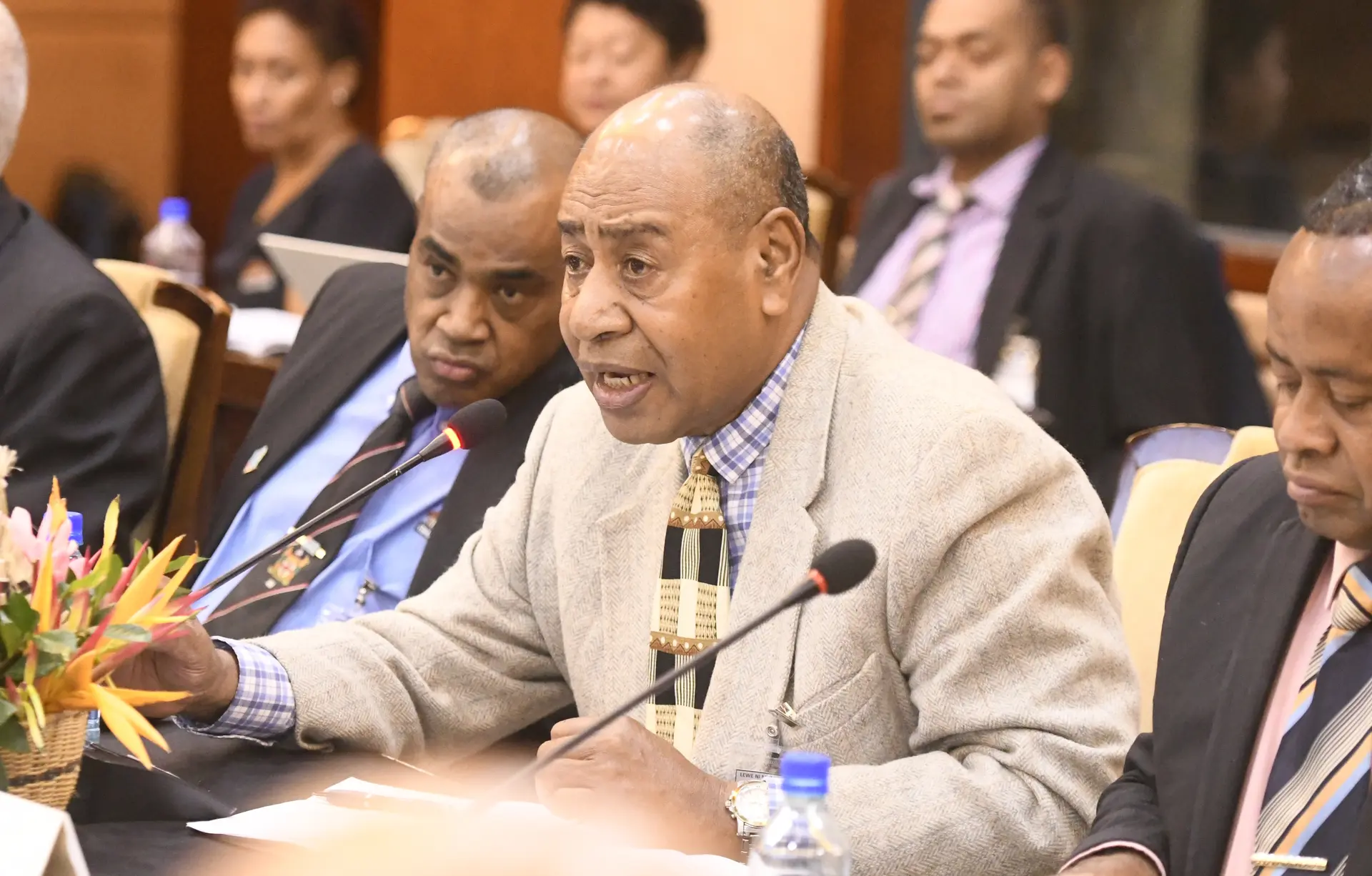
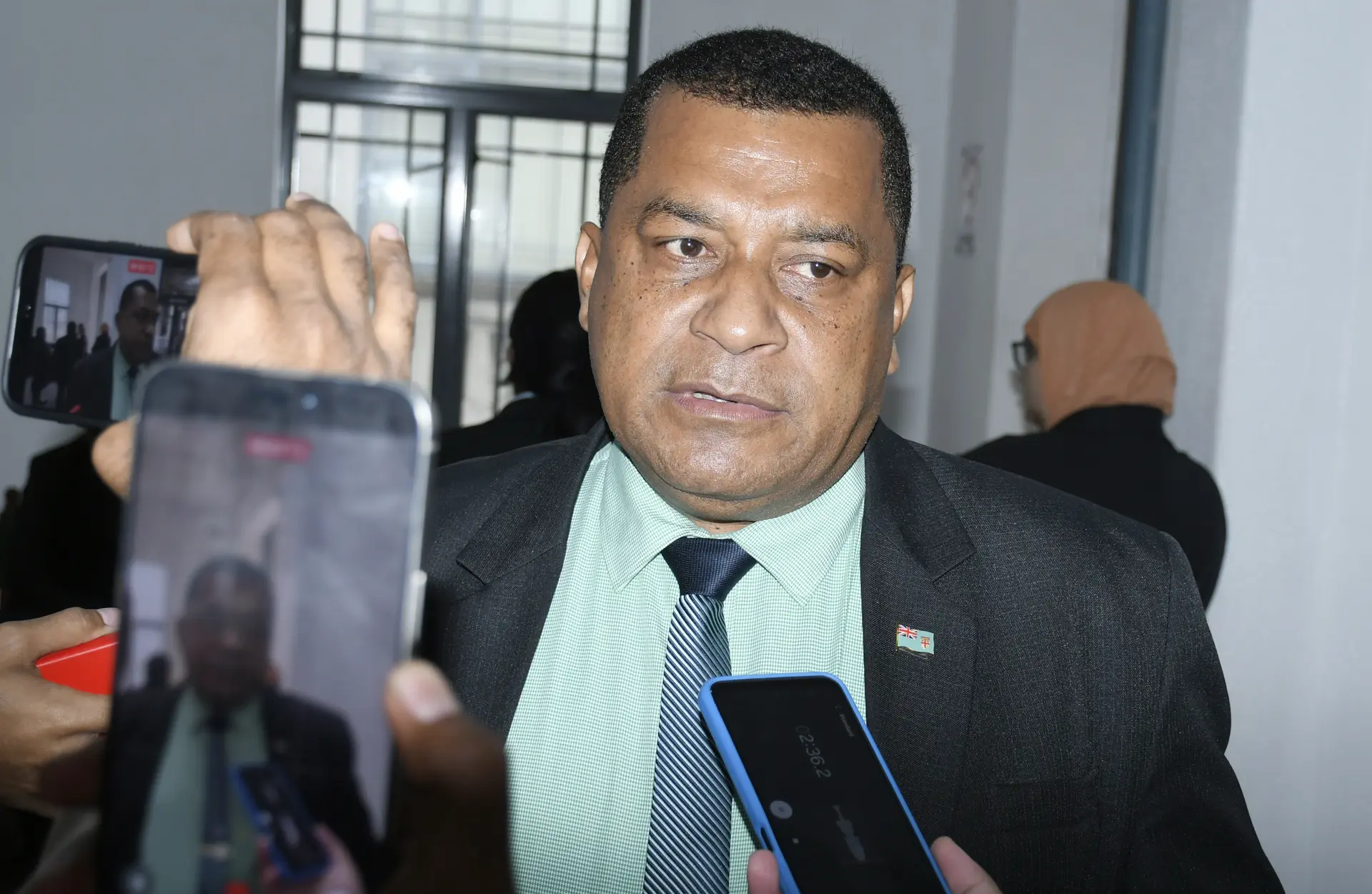
Kadavu Provincial Council chairman Isikeli Vuniwaqa during the first day of the first day of thr Provincial Council meeting in Suva today.
Photo: Ronald Kumar.
Kadavu traditional leaders are calling for stronger regulation of freight and retail prices, saying weak enforcement is forcing island families to pay significantly more for everyday goods as the cost of living continues to rise.
Kadavu Provincial Council chairman Isikeli Vuniwaqa said higher fuel prices had increased transport costs, with businesses passing those costs directly on to consumers.
He said while rising fuel prices were a national issue, maritime communities were bearing a disproportionate burden.
Related stories
"The people of Kadavu are faced with paying high prices for all the goods that are brought from Suva," Mr Vuniwaqa said.
He claimed pricing in the province was poorly regulated, allowing businesses to increase prices with little oversight.
"The people who own businesses in Kadavu have their own ability to increase the prices because there is no regulation on freight. The cost is there, but it is poorly regulated and poorly enforced."
Mr Vuniwaqa said stronger oversight was needed to ensure maritime communities were not unfairly disadvantaged by transport costs.
The Provincial Council also discussed concerns about illicit drugs entering the province.
Mr Vuniwaqa said tackling the drug trade remained the responsibility of the Fiji Police Force, but the council had been working alongside police and international partners to strengthen community prevention efforts.
"Talking about drugs, it's not really the issue for the Kadavu Provincial Council. It's an issue for the Fiji Police," he said.
He said the council had partnered with the United Nations and local stakeholders over the past two years to build community-based initiatives.
"We have established some of those initiatives with the UN in the last two years, and I think it's working well."
Mr Vuniwaqa said fishers, transport operators and others using Kadavu's sea and land routes had also joined efforts to prevent illicit drugs from reaching communities.
"They are all engaged in this fight against drugs," he said.
When questioned during the meeting about submissions relating to industrial hemp, Mr Vuniwaqa declined to comment, saying the matter was "off the record."