HIV Medication Shortage
Statistics reveal that iTaukei represents 89 per cent of the country’s people living with HIV.
Thursday 14 November 2024 | 12:25
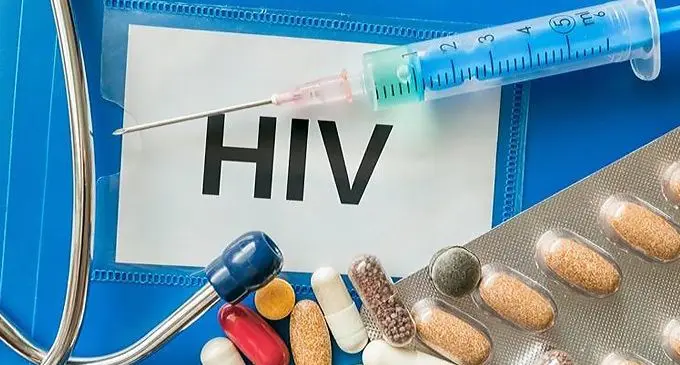
The Ministry of Health is taking decisive steps to manage the critical shortage of HIV medication.
Following this masthead’s interview, the ministry said it was closely monitoring distribution and working with global partners to replenish stocks.
“Currently, the ministry is controlling the distribution of Crucial Human Immunodeficiency Virus (HIV) medications, including Antiretroviral (ARV) drugs, which form the cornerstone of treatment for those living with HIV,” the ministry said.
Related stories
“These medications, part of a combination therapy known as Antiretroviral Therapy (ART), play a vital role in preventing the virus from replicating and destroying CD4 cells—an essential component of the immune system.”
The ministry is working through the United Nations Development Programme (UNDP) mechanism to procure additional supplies.
A signed agreement with suppliers is in place, and the ministry is optimistic that new shipments will arrive by the end of this month, although the current shortage remains a pressing concern.
“In the interim, an individual living with HIV is receiving alternative medication regimens sufficient for a one-month dose,” the ministry said.
“We understand the importance of ensuring that every patient receives the treatment they need. Our top priority is to replenish supplies as soon as possible.”
The shortfall in medication supply comes as Fiji continues to confront a significant HIV burden, particularly within its indigenous iTaukei population.
According to recent data presented at the Global AIDS Monitoring and HIV Estimates Workshop, the iTaukei represents 89 per cent of the country’s people living with HIV, while Fijians of Indian descent account for nine per cent and other ethnic groups comprise two per cent.
The findings were shared by World Health Organization Sexual Reproductive Health and Rights officer, Joeli Colati, at the Radisson Blu Resort in Nadi.
His presentation highlighted a striking contrast in the ways different ethnic groups access HIV testing. While iTaukei individuals are more likely to seek HIV testing at public healthcare facilities — where their results are shared with national health authorities, Fijians of Indian descent and members of other ethnic groups often opt for private testing.
As a result, their HIV test results are not always reported to public health systems, complicating efforts to accurately track the epidemic.
Feedback: sosiveta.korobiau@fijisun.com.fj