HIV Numbers Spike by 60% in Remand Centres
The rise in HIV cases, according to Mr Nakarawa, was closely tied to the sharing of needles among drug users, which is contributing to the spread of the virus.
Saturday 15 March 2025 | 11:34
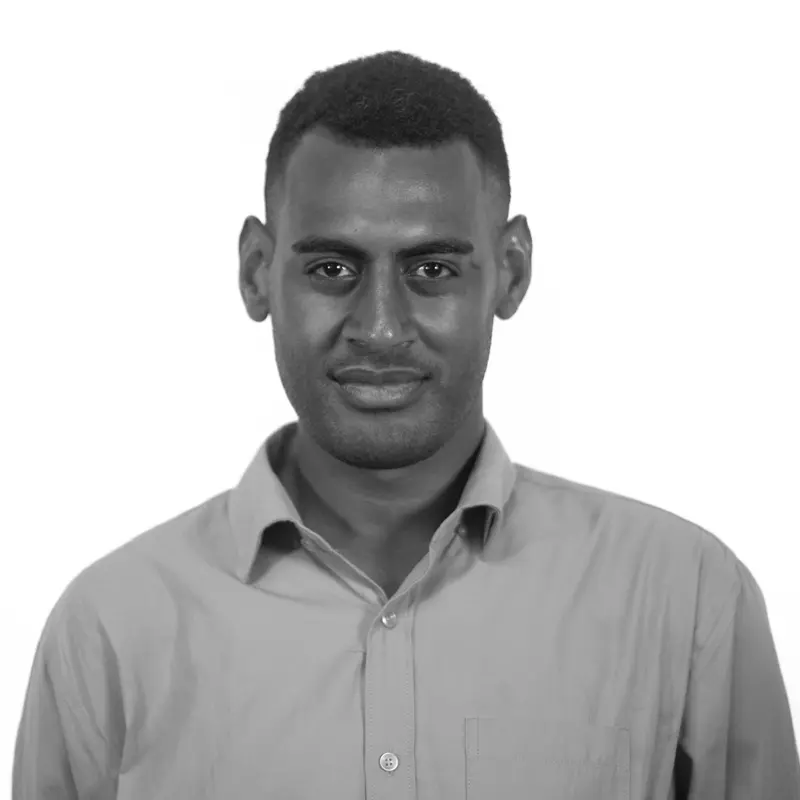

Corrections Commissioner Jalesi Nakarawa conducts a march inspection of the parade at Naboro Centre on March 14, 2025. Photo: Fiji Corrections Service
The number of HIV cases in Fiji’s remand centres has risen dramatically, with the Fiji Corrections Service (FCS) reporting a 60 per cent increase in HIV-positive inmates.
Most of these cases are linked to the high usage of methamphetamine and the sharing of needles among detainees.
Corrections Commissioner Jalesi Nakarawa expressed concern over the growing number of HIV cases in prisons, especially among remandees who often come and go.
Related stories
“There’s a wave of threat also, HIV and AIDS. Majority of the inmates are tested positive,” Mr Nakarawa said.
The increase is particularly alarming given that, previously, the HIV-positive inmate count was much lower, with only 10 or 20 cases.
“Now it’s hundreds. So that is quite alarming to us,” he added.
“Alarming in the sense because officers, too, are dealing with them on a daily basis, and because of the confidentiality nature of HIV, it’s quite difficult to discuss this,” the Commissioner said.
Testing
Regarding testing, Mr Nakarawa clarified that inmates voluntarily request HIV tests.
“They’ve got to be requested by the inmates. We can’t force them to do the test for HIV. So, it’s an individual choice. Yeah, it’s an individual choice. So mostly they come and ask.”
He said the issue has become especially concerning with the prevalence of methamphetamine use in the facilities.
The rise in HIV cases, according to Mr Nakarawa, was closely tied to the sharing of needles among drug users, which is contributing to the spread of the virus.
“Meth, because, you know, the sharing of needles. So that goes with HIV, because the needles...” he explained.
To address the growing health concern, the Corrections Service has taken proactive steps to improve its medical response.
“We now have a medical unit in place,” Mr Nakarawa said, detailing a restructuring of healthcare services within the system.
“Previously, the doctors and the nurses we had were posted to institutions, so they come under the office in charge.
“So, what I’ve done is pull them up and formed a medical unit under the doctor and under me, so that they are a unit on their own, so that they can do their job without interference.”
Despite these measures, the exact number of inmates testing positive for HIV remains difficult to track.
“It’s quite difficult to give you the stats of any, but, yeah, I’m not sure. I think it was an increase of about 60 per cent” Mr Nakarawa said.
Feedback: sosiveta.korobiau@fijisun.com.fj