HIV Outbreak Declared in Fiji
The rapid increase in HIV diagnoses in Fiji has raised alarms within the ministry, with experts calling for urgent interventions and community-based strategies to address the growing crisis.
Thursday 23 January 2025 | 09:41
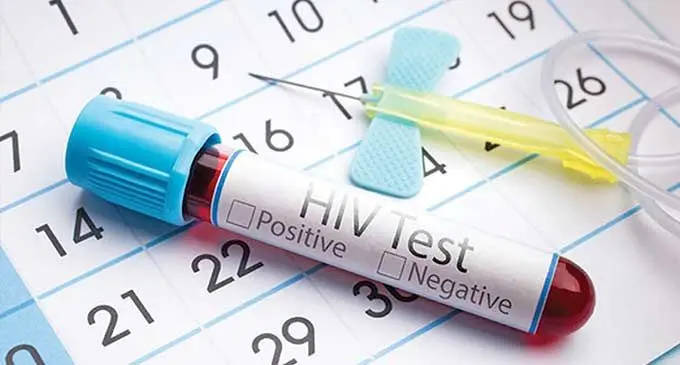
It’s getting out of control.
This is the collective concern of medical professionals and stakeholders as the Minister for Health and Medical Services, Dr Ratu Atonio Lalabalavu, declared an HIV outbreak in Fiji yesterday.
The rapid increase in HIV diagnoses in Fiji has raised alarms within the ministry, with experts calling for urgent interventions and community-based strategies to address the growing crisis.
Related stories
Dr Dashika Anshu Balak, senior medical officer in charge of the Central/Eastern Sexual and Reproductive Health Clinic, revealed that the situation had become increasingly dire.
This revelation comes in light of the alarming rise in HIV diagnoses and new cases.
During the launch of Fiji’s HIV Outbreak Response Plan and National HIV Surge Strategy 2024-2027 at Ro Lalabalavu House yesterday, Dr Balak addressed the escalating HIV epidemic.
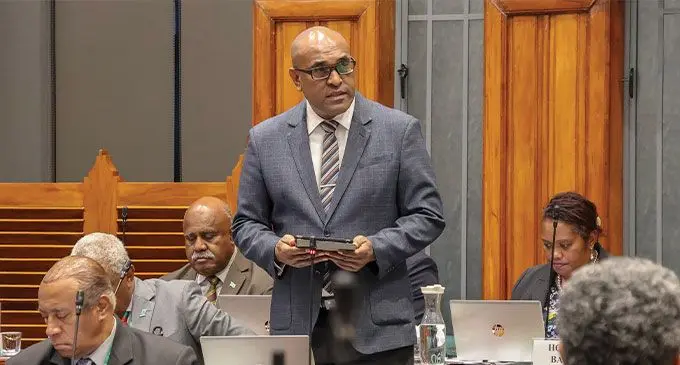
Minister for Health and Medical Services, Dr Ratu Atonio Lalabalavu.
In 2023 alone, Fiji recorded 258 new HIV cases and 29 deaths between January and September.
In 2024, the numbers skyrocketed, with Fiji recording 1093 new cases of HIV infection.
“The increase in the number of persons living with HIV is getting out of control,” Dr Balak said.
Traditionally associated with sexual transmission, HIV is now increasingly being contracted through injecting drug—a worrying trend that has seen a rise in young individuals engaging in this behaviour.
More children testing positive
Dr Balak said that a significant portion of new cases involves young people, many as young as 12 and 13, who have contracted HIV through sharing needles or blood.
“At least 50 per cent of the cases that we are getting positive in our clinic are through injecting drugs,” she said.
“And these are predominantly young people, many of whom are not sexually active at all.”
The surge in cases among adolescents, particularly those between the ages of 10 and 19, has raised concerns for both public health and social welfare.
The shift from sexual transmission to drug-related HIV cases has put additional strain on health services, which must adapt to these changing transmission patterns.
Amid this crisis, Dr Balak said that nurses at various reproductive clinics are no longer safe due to the surge in HIV cases.
Street children and the “bluetooth” culture
Adding complexity to the situation, Dr Balak highlighted the plight of street children, many of whom are among those testing positive for HIV.
These children, living on the streets with limited access to healthcare, are engaging in what is known as “bluetooth sex”—a term used to describe drug users sharing needles and blood in a social context.
She said that organisations such as the Salvation Army and even concerned police officers have been instrumental in identifying street kids with skin diseases linked to drug use.
“Almost all of them turn out to be HIV positive because they are sharing needles or blood,” she said.
But even with identification and the availability of treatment, significant barriers remain.
“Where are these kids going to keep their medication?” Dr Balak questioned.
“Some have gone back with the medication and lost it.”
The lack of stable housing and consistent care makes it challenging to manage treatment regimens for these vulnerable individuals.
In response, the Ministry of Health is working closely with the Ministry of Women and Children to find solutions. Plans are in place to move street children into safer environments, offering them shelter and support while ensuring they receive the necessary medical care.
The latest data released by the Ministry of Women, Children, and Social Protection shows that the number of street dwellers in the Suva-Nausori Corridor has risen from 112 to 155.
Cultural factors and family involvement
Another unique aspect of Fiji’s HIV crisis lies in the cultural context surrounding drug use.
Dr Balak said that, unlike in many developed countries where individuals tend to inject drugs alone or in isolated groups, in Fiji, drug use is often a communal activity.
“It’s a cultural thing,” she explained.
“We are seeing family members brothers, fathers, and sons sharing drugs together.”
This cultural normalisation of drug use has made it more difficult to break the cycle of transmission, as the sharing of not only drugs but also needles and blood becomes embedded in social practices.
Ministry of Health
Dr Lalabalavu said that out of the 115 HIV-related deaths, 34 were diagnosed last year, with these cases attributed to late diagnosis.
He emphasised this point while launching two critical initiatives to tackle the urgent challenge.
The first initiative is the HIV Outbreak Response Plan, a focused 90-day effort aimed at implementing immediate, high-impact interventions to control the outbreak. The second is the HIV Surge Strategy 2024-2027, which was approved by the Cabinet in September.
Dr Lalabalavu expressed concern over the significant rise in HIV cases, which includes 1,093 new diagnoses. In 2023, Fiji recorded 258 new HIV cases and 29 deaths between January and September.
“We are now facing an outbreak after a surge at the end of 2023. The 90-Day Plan, which we have already begun executing, is designed to fast-track immediate, high-impact interventions as we confront a substantial increase in HIV, which we believe is driven by the current illicit drug epidemic in the country,” Dr Lalabalavu said.
He said that the plan focused on speeding up targeted interventions to address the crisis. The ministry believes that the rise in HIV is largely linked to the ongoing illicit drug epidemic in Fiji.
“A person who injects drugs and shares needles is 29 times more likely to contract HIV, and our data today reflects this alarming reality,” he added.
To address the issue, the ministry will introduce targeted interventions aimed at reducing new cases among injecting drug users, including harm reduction programmes and improved access to prevention services.
Dr Lalabalavu stressed that this issue was not just a health concern, but also poses potential economic and developmental challenges if immediate action was not taken.
Feedback: sosiveta.korobiau@fijisun.com.fj








