HIV Spike in Youths
One of the most disturbing practices reported among students is “blue-toothing,” where young people share needles, unknowingly transmitting HIV when contaminated blood is passed between users.
Friday 22 November 2024 | 10:03
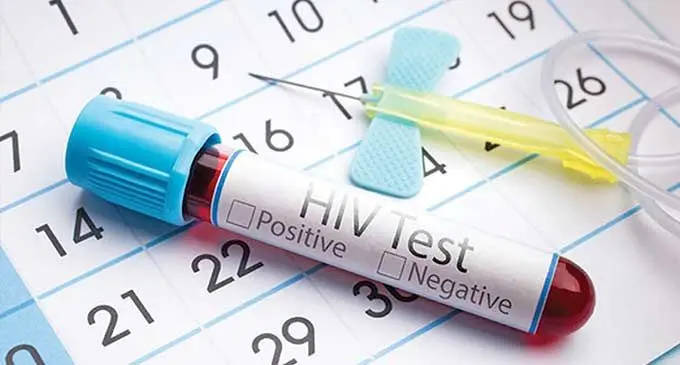
A deeply concerning and alarming trend has emerged, with a sharp rise in young people testing positive for Human Immunodeficiency Virus (HIV).
Last month alone, 57 young individuals admitted to the Saint Giles Psychiatric Hospital in Suva were found to be HIV-positive, highlighting the urgency of addressing this crisis.
Among those affected was a 14-year-old child.
Related stories
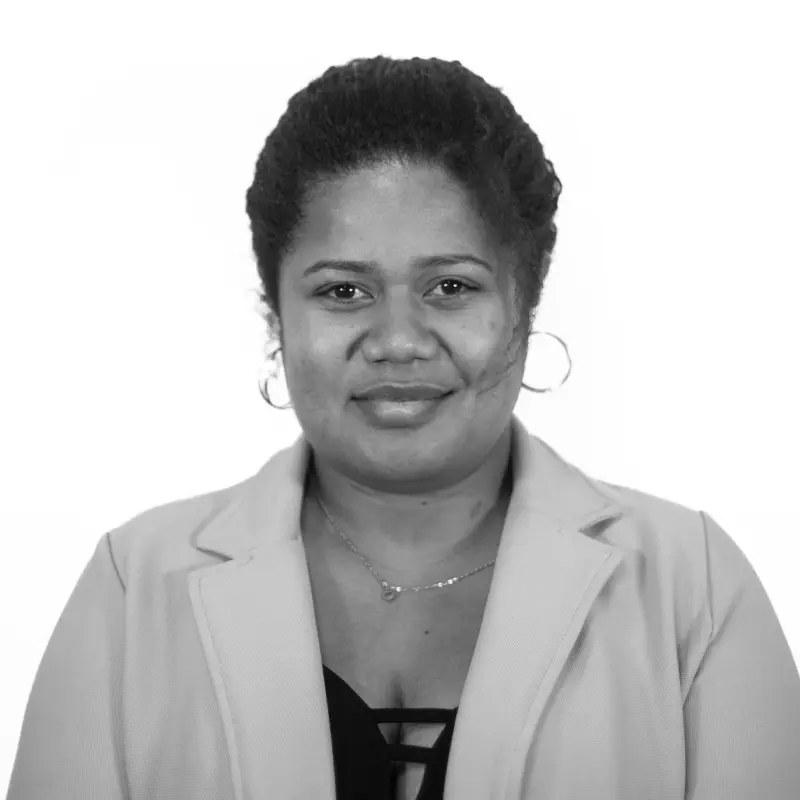
The new Permanent Secretary for the Ministry of Justice, Selina Kuruleca, revealed these troubling statistics during a presentation on the alarming extent of drug abuse in schools and the need for stronger education and justice interventions.
The data, initially shared by Saint Giles Hospital consultant psychiatrist Myrielle Allen in a Speaker's Debate last month, paints a grim picture of a growing public health issue.
"As of September, 1.7 per cent of 3519 young Fijians have been directly involved in drug-related incidents," Ms Kuruleca said.
"That's still 1.7 per cent too many. And what about the countless others who are unreported?"
According to 2023 findings by the Substance Abuse Advisory Council under the Ministry of Education, 3627 drug-related incidents were recorded in Fijian schools-1578 in primary schools and 2049 in secondary schools.
This marks a staggering 40 per cent increase in drug cases since 2018.
One of the most disturbing practices reported among students is “blue-toothing,” where young people share needles, unknowingly transmitting HIV when contaminated blood is passed between users.
This dangerous behaviour is directly contributing to the spread of HIV among Fiji’s youth, further exacerbating the public health crisis.
Ms Kuruleca also highlighted the profound impact of the drug epidemic on families and communities. In some cases, parents have been found using their own children to peddle drugs, while others, as reported by Ilisapeci Veibuli of the Fiji Women’s Crisis Centre, are coercing women into prostitution to fund drug purchases.
“We must be vigilant, proactive, and compassionate,” Ms Kuruleca urged.
“We must ensure that every young Fijian knows they have the support to make positive choices and avoid the dangers of drug use.”
With a rapid increase in HIV cases linked to drug abuse, the need for urgent action and intervention is clearer than ever.
The crisis is not just a public health issue but a social and familial one that demands immediate attention to protect Fiji’s future generations.
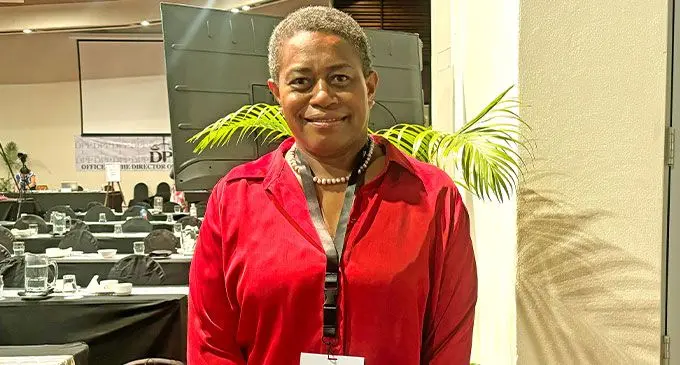
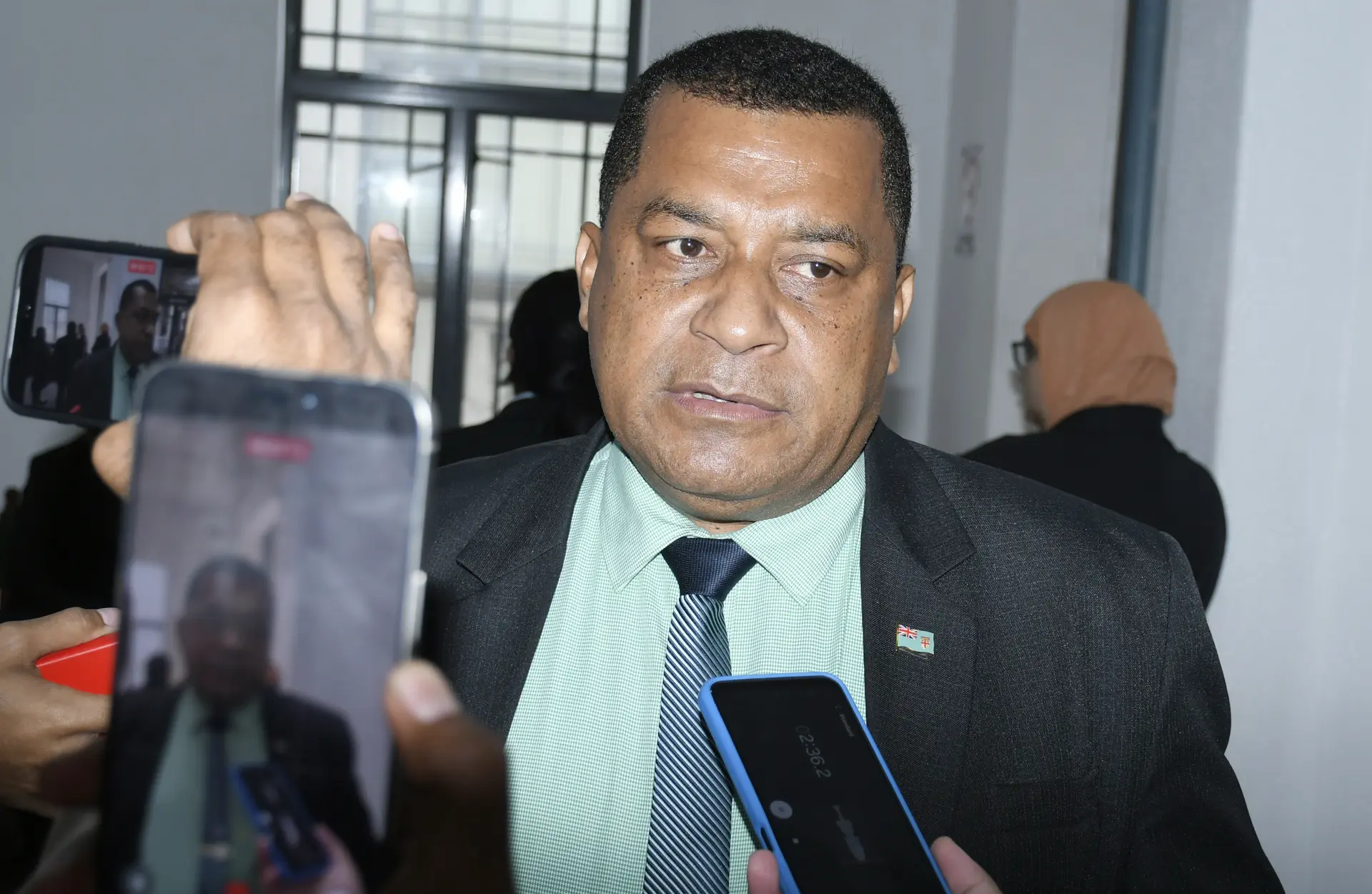
Permanent secretary for Justice, Selina Kuruleca. Photo: Beranadeta Nagatalevu
Culture of Bystanders Needs to Go
Adding to the urgency of the situation, Kalesi Volatabu, the founder of Drug Free World Fiji, addressed the crowd, calling for an end to the “culture of bystanders” that has allowed the drug crisis to worsen.
“We cannot afford to remain passive any longer,” Ms Volatabu said passionately.
“The presenters today have spoken about the stats, but why is it so important to address the issue of drugs in our country? If no one speaks up, if no one corrects the wrongs, we are heading down a very dangerous road.”
Ms Volatabu stressed that citizens and communities cannot stand idly by when they see children using drugs or engaging in dangerous behaviour.
“If no one is going to intervene when they see children using drugs, who will? Why won’t you call the police or the authorities? If you don’t, who will?”
The call for action was clear: “We can’t be bystanders any longer, Fiji.”
“Do something, say something—don’t just stand back. We have a very sad culture of bystanding, but I tell you now, NO! These drugs are in our schools, they are in our homes, they are in our villages, they are in our communities. We are not safe,” she said.
Ms Volatabu also warned that the statistics presented were just the tip of the iceberg, pointing out that many drug-related incidents go unreported.
“The stats we’re hearing today are reported, but Fiji is a country where a lot of things are unreported. Do not be shocked if you hear of even more unreported cases.”
Feedback: Beranadeta@fijisun.com.fj