Homeless Crisis
Some have even become traffic hazards, directing vehicles on busy streets or following tourists, creating fear among visitors. Business operators are raising concerns about safety as the issue worsens.
Monday 28 October 2024 | 11:24
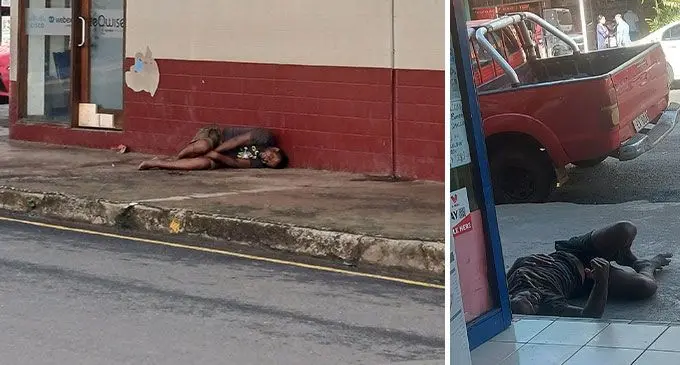
The two major towns of Vanua Levu-Labasa and Savusavu are grappling with the challenge of mentally challenged individuals becoming a public nuisance.
Many of these individuals are either homeless or abandoned by their families, left to roam the streets, sleep in doorways, and relieve themselves in public spaces.
Some have even become traffic hazards, directing vehicles on busy streets or following tourists, creating fear among visitors. Business operators are raising concerns about safety as the issue worsens.
Related stories
Paul Jaduram, the Labasa Town Council special administrator chairperson and president of the Macuata Tourism Association, said this issue had persisted for years.
“Previously, I had to call the Labasa Police Station when my tenants asked for help because a mentally challenged person was sleeping outside their shop,” Mr Jaduram explained.
“When police remove them, they always return to the same spot. Authorities need to assess these individuals properly.”
He suggested individuals diagnosed with mental illness and without family support should be referred to the Saint Giles Psychiatric Hospital.
Meanwhile, homeless but mentally stable individuals could be housed at the Golden Age Home.
“This problem is growing, and many business operators and customers no longer feel safe,” Mr Jaduram warned.
Police provide limited support
Police officers in Labasa have taken steps to help, offering food, clothes, and temporary shelter.
However, these individuals often return to the streets. Many fail to take prescribed medication, and police stress that family support is crucial to their care.
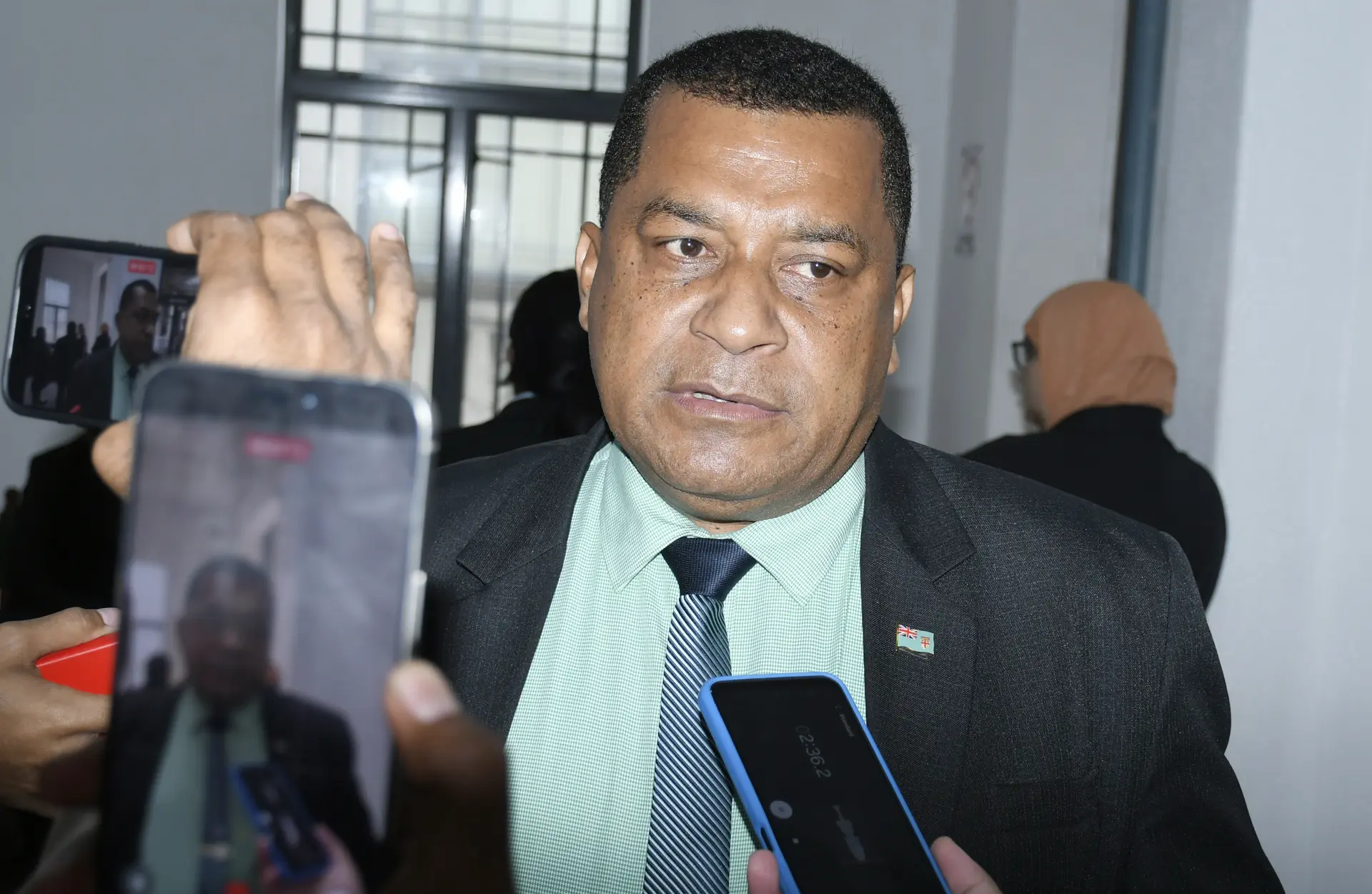
Divisional Police Commander North, Senior Superintendent of Police (SSP) Kemueli Baledrokadroka, acknowledged the issue, urging families to take responsibility.
“Some of these individuals are social welfare recipients, with relatives receiving their benefits. These families should be the ones looking after them,” SSP Baledrokadroka said.
“If they commit offences, we need official complaints to arrest them and bring them to court. Ultimately, they are human beings too—if we all care, no one should be left to beg on the streets.”
Businesses call for action
Savusavu faces similar issues. Special administrator chairperson Shiu Shankar Singh expressed frustration, citing instances where mentally ill individuals disrupt traffic and harass tourists.
“We’ve seen cases where individuals follow tourists around the market, making them feel unsafe,” Mr Singh said.
“As we enter the festive season, relevant authorities need to come together and find solutions.”
Mr Singh added that business operators have struggled to get meaningful police intervention.
“We’ve had cases where these individuals swear at the public and threaten vendors, but nothing happens unless we lodge official complaints,” he said.
Government’s role in focus
This publication reached out to the Ministry of Women, Children, and Social Protection for comment but received no response.
With the festive season approaching, businesses and police alike are calling for swift action to address the growing crisis, emphasising that without coordinated efforts, vulnerable individuals will remain on the streets.
Feedback: shratikan@fijisun.com.fj