HPV Vaccine Coverage Low, Raising Cervical Cancer Threat
136 women in Fiji are diagnosed with cervical cancer each year, and 92 die from the disease.
Friday 29 November 2024 | 16:30


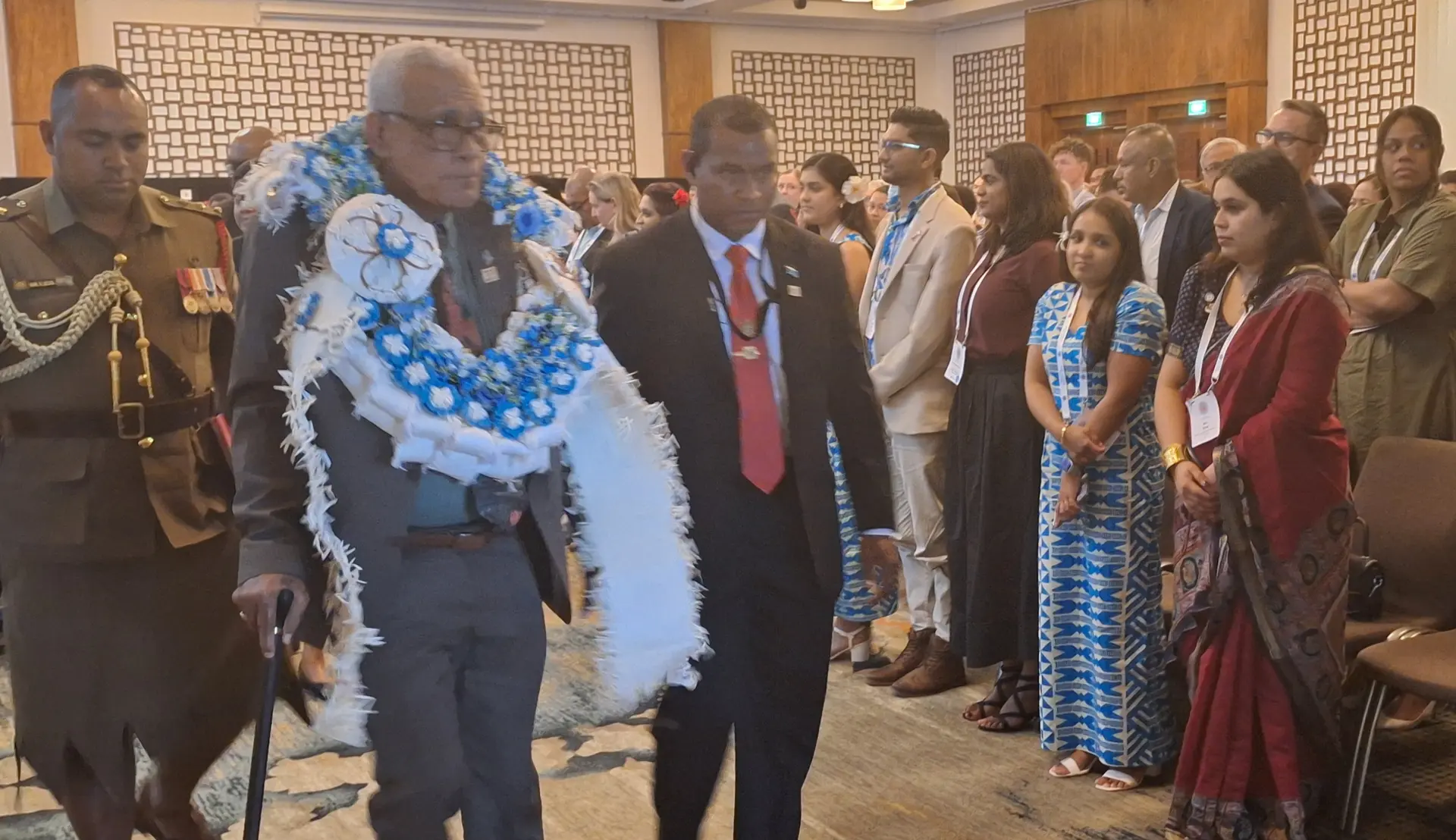
UNICEF Pacific Representative Mr Jonathan Veitch (second from left), with participants at the 13th Pacific Immunisation Managers Meeting at the Shangri-La Yanuca Island, Fiji in Sigatoka on November 25, 2024.
Despite recent strides in immunisation efforts across the Pacific, more than half of the region’s countries still remain below 50 per cent coverage on the critical Human Papilloma Virus (HPV) vaccine.
This vaccine is a key preventive measure against cervical cancer.
This is according to United Nations Children’s Fund (UNICEF) Pacific Representative Jonathan Veitch. Mr Veitch made the revelation while speaking at the 13th Pacific Immunisation Managers Meeting at the Shangri-La Yanuca Island on Monday.
Related stories
About 136 women in Fiji are diagnosed with cervical cancer each year, and 92 die from the disease.
In a recent study of 12,074 women in Suva, Fiji, 30.5 per cent were found to have cervical cancer.
In the meeting, Mr Veitch acknowledged both the successes and challenges in expanding vaccine access across the islands.
In his address, Mr Veitch highlighted that, while some countries, including Niue, Tuvalu, and Samoa, have made positive strides in HPV vaccination, majority of Pacific Island nations continue to struggle with the introduction and rollout of this vital vaccine.
“More than half of the Pacific Island countries remain below 50 per cent coverage on HPV, while the rest are still between 50-69 per cent, as reported in the World Health Organization and UNICEF Estimate of National Immunisation Coverage for 2023,” he said.
This gap in coverage is part of a broader pattern of disparities in immunisation rates across the Pacific.
While progress has been made in other areas—such as the introduction of vaccines for Rotavirus and Pneumococcal Conjugate, with eight countries achieving over 90 per cent coverage—challenges persist.
Vaccine hesitancy, misinformation, logistical issues, and overstretched health systems continue to be significant barriers to achieving higher immunization rates across the region.
“It is essential that we continue to advocate for immunisation and ensure that all children in the Pacific have access to these life-saving vaccines,” Mr Veitch urged.
With the ongoing challenges of climate change, migration, and evolving health threats, Mr Veitch called for continued partnership and collaboration to improve vaccine coverage and ultimately save lives.
“Together, we can ensure better health outcomes for children and end preventable maternal and child deaths,” he said.
Feedback: inoke.rabonu@fijisun.com.fj