More Kids On Our Streets - What’s the Cause?
One thing was clear – the cause of all this was from home. Some of the children are victims of abuse and rape from home.
Sunday 06 March 2022 | 12:14
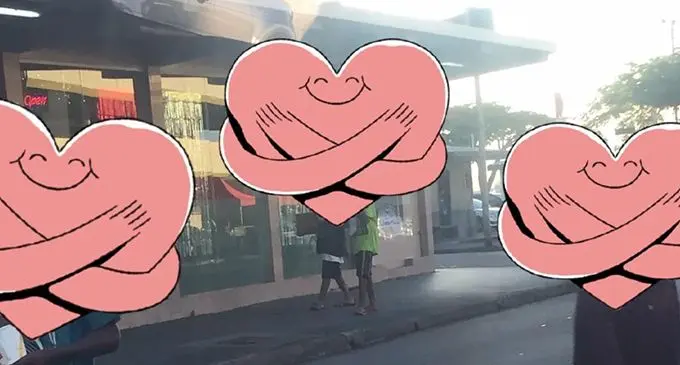
The number of children on our streets keep on increasing according to Ahava Project Fiji coordinator. Photo: Ahava Project Fiji
Children as young as nine years old prefer the Suva and Nadi streets from the comforts of home.
Despite attempts last year to reunite them with family and loved ones through the Operation Lesu I Vale initiative, most of these children returned to the streets in days. It’s where they’ve found acceptance and love.
One of the stakeholders involved in the Inter-agency Taskforce, Ahava Project Fiji is concerned.
Related stories
The number of children (under 18) living on the streets in Nadi and Suva keeps increasing.
Last week, Ahava Project Fiji joined an Inter-agency Taskforce including the Fiji Police Force, Ministry of Labour, Department of Social Welfare, Fiji Police Force, Ark of Hope Church and the Aruka Minsitry.
Their aim was clear - to find out the root cause of why children preferred the streets instead of home.
Ahava Project coordinator, Naina Senito, said the 15 children in Suva and 10 in Nadi who have chosen the streets as their home, need help.
“One thing was clear – the cause of all this was from home. Some of the children are victims of abuse and rape from home – which is why they keep returning to the streets.
“Clearly these children are traumatised,” Ms Senito said.
Research has shown that repeated childhood exposure to traumatic events can affect the brain and nervous system and increase health-risk behaviours in children.
Reception At home
Taking children back to their homes was normal – at least from Ms Senito’s observation.
“But I know that often we only see the surface of what really goes on and the real story about why their children are on the streets.
“If there was real love at home, these children wouldn’t be roaming our towns and cities.”
Individual cases are often complicated and involve stakeholders going above and beyond to identify the cause of leaving home.
A case in Suva saw the mother of a child in tears when her son was brought home. She hugged her son and thanked the Inter-agency Taskforce for bringing her son home. She looked sincere. But two days later, her son was spotted back on the streets.
What emerged from discussions with a neighbour was the physical and sexual abuse the young boy had to endure from his mentally challenged elder brother.
“We can’t just tell them to go home, because they are traumatised by a lot of things. They are not like your normal or average child,” Ms Senito said.

Children prefer the streets than the comfort at home. Photo: Ahava Project
Four Siblings
In the West, four siblings roam the streets to survive. Their mother passed away two years ago. While they still live with their father, they spend more time on the streets than at home. They sell cigarette rolls and pudding to survive.
The youngest of the four, a nine-year-old boy, carries a passport size photo of his mother in his bag. He would proudly show the photo to volunteers when asked about where his parents were.
“It’s so sad to see because there are more children than adults on the streets,” Ms Senito said.
Is there a Way Out?
Ms Senito is optimistic.
“These children need love and I believe if community leaders and church leaders come together to do that – then they won’t be out on the streets.
“We are always praying that our people will find a way out and break this street system.”
She urged parents to take care of their children and love them.
“We also urge guardians, if you’re taking care of someone else’s child/children in ‘regards to parents being separated/divorced/deceased – please love and cherish them well.
“The numbers of our children are rapidly increasing each day. We are calling out to community leaders, youth leaders, pastors and Christians around the globe to help us pray and intercede for these children and their families.”
Edited by Naisa Koroi
Feedback: rosi.doviverata@fijisun.com.fj