'It all starts in the home' — GCC chair
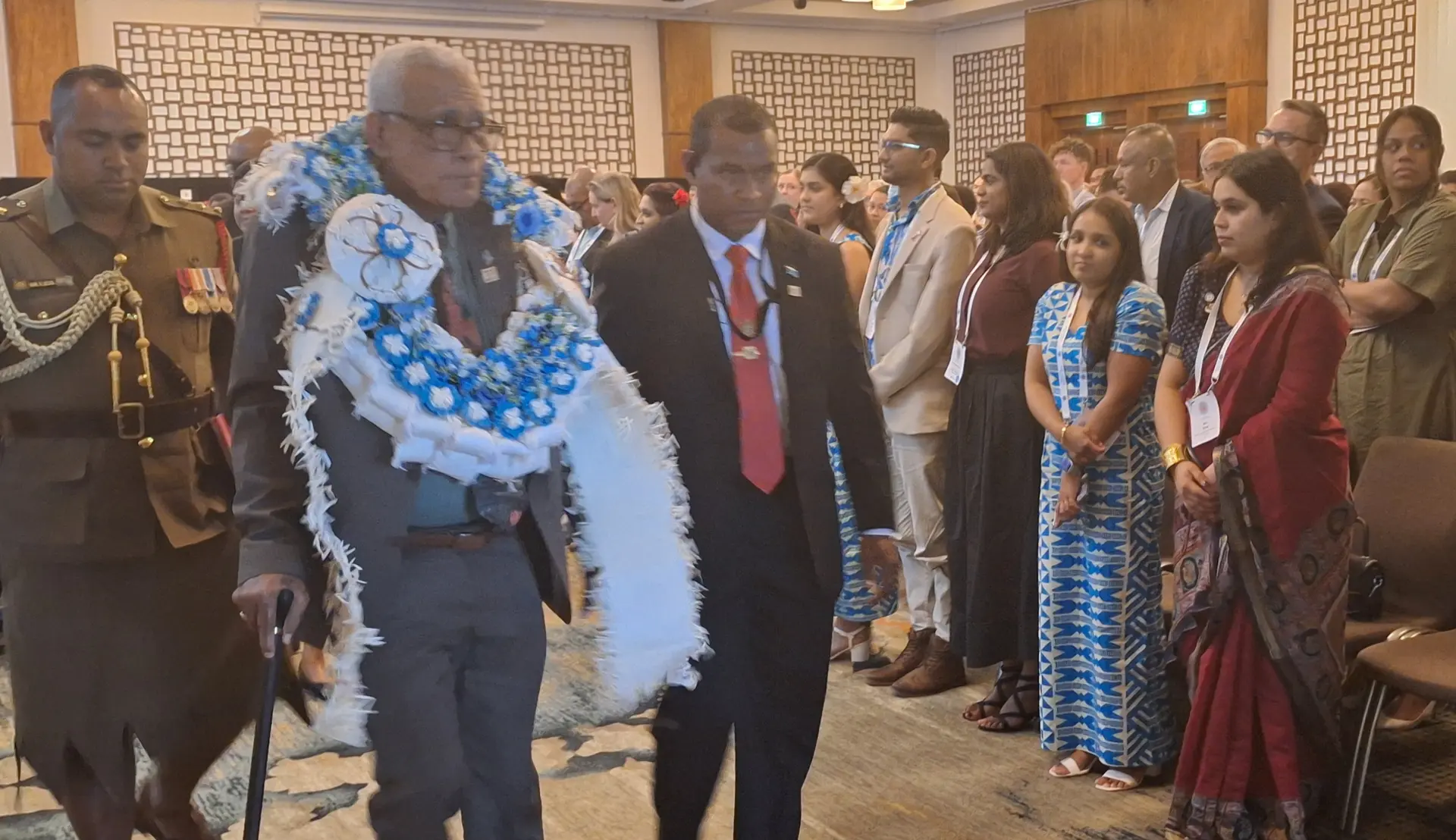
Great Council of Chiefs Chair Ratu Viliame Seruvakula said enforcement alone was not enough and must be matched with stronger action at the family and village level.
Monday 09 February 2026 | 16:30

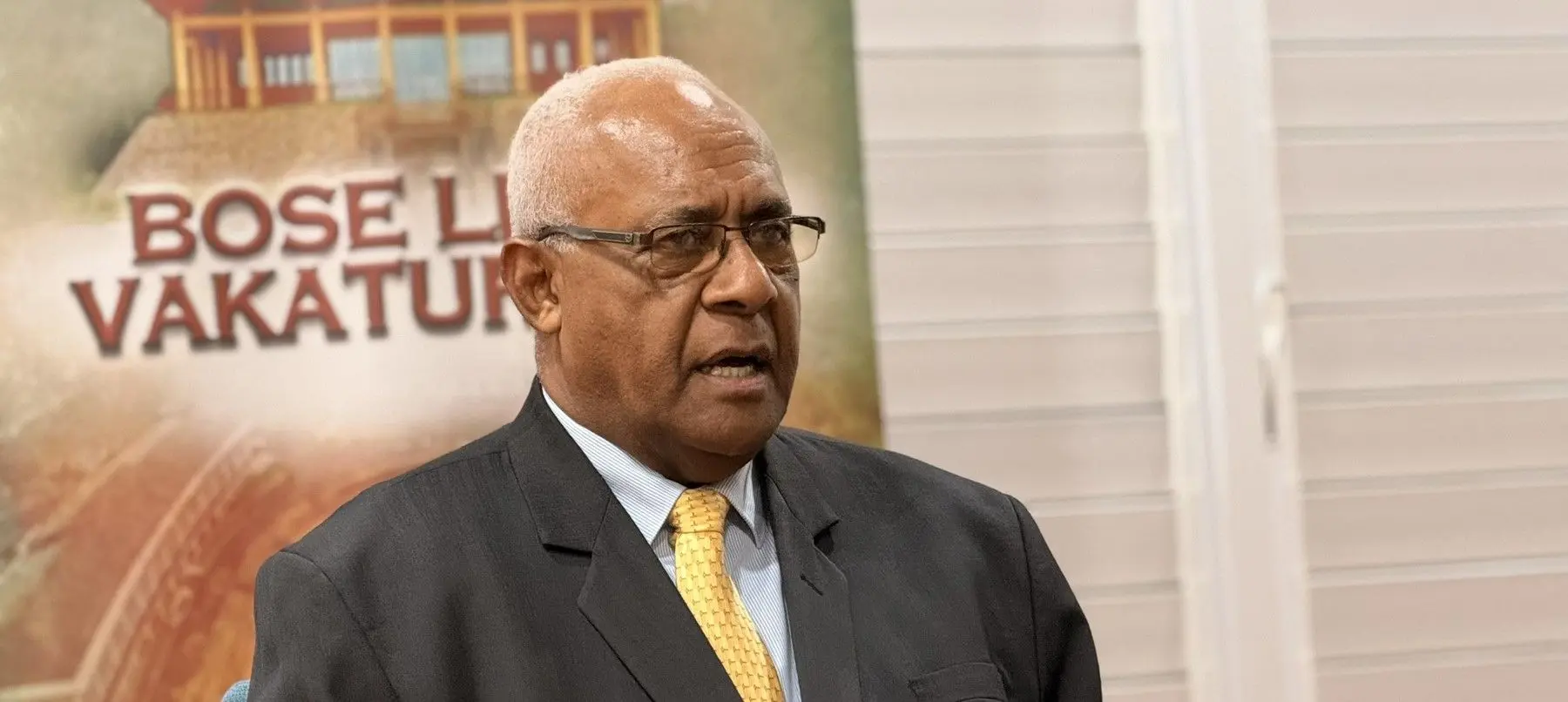
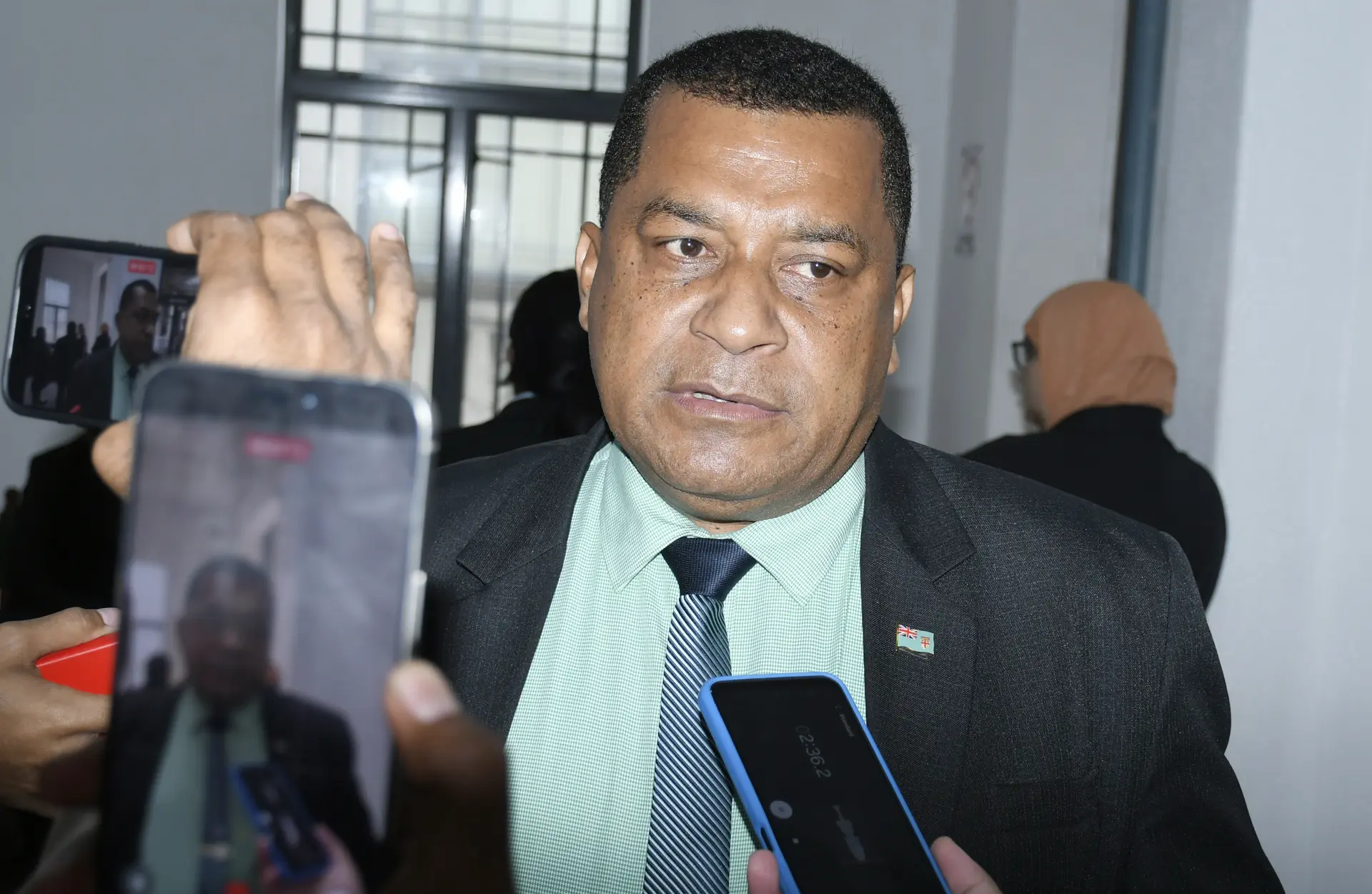
Great Council of Chiefs (GCC) Chair Ratu Viliame Seruvakula
Talei Roko
Fiji is spending too much time and resources dealing with the consequences of drug abuse — overdoses, deaths and rising HIV cases — instead of addressing the problem at its roots in homes and communities.
Great Council of Chiefs Chair Ratu Viliame Seruvakula said enforcement alone was not enough and must be matched with stronger action at the family and village level.
“We are spending too much effort fixing the end result, the overdoses, the deaths, the HIV cases,” he said.
“We must go back to where it begins, in the home.”
Related stories
His comments came as national organisations, churches and international partners strengthened a coordinated response to Fiji’s growing drug crisis, amid increasing pressure from international drug syndicates using the Pacific as a transit route.
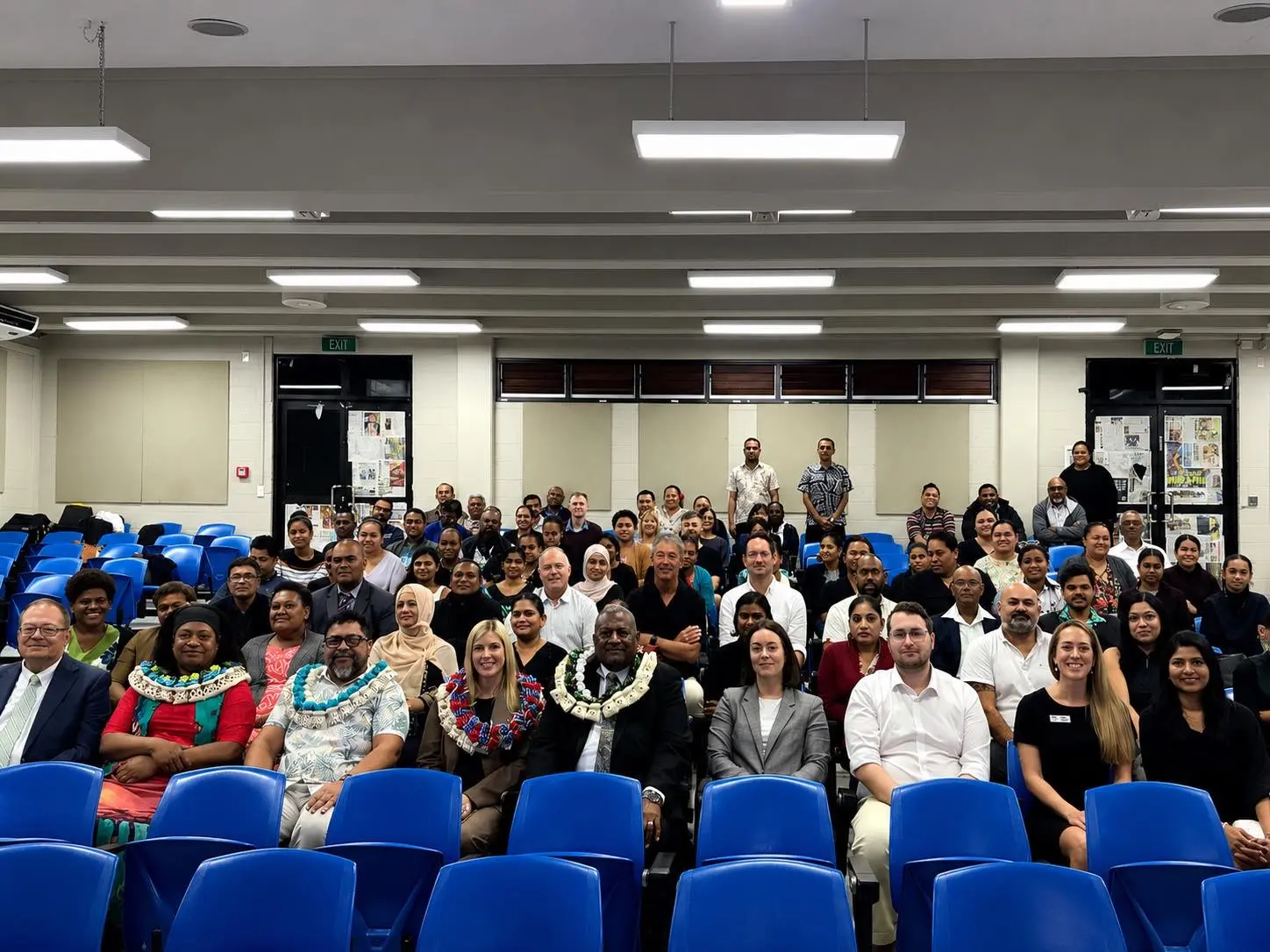
The renewed alliance was reinforced during the National Pastoral Response to Drugs workshop in Suva today, where leaders agreed the drug problem could no longer be left to police alone.
Police Commissioner Rusiate Tudravu echoed the call for shared responsibility, saying the fight against drugs required a coordinated national effort.
“We are committed to removing drugs from our streets and holding traffickers accountable, but the police cannot do this in isolation,” he said.
“If we are to save our young people, we need families, chiefs, and communities to work alongside us. Every village, every home, can play a role in prevention. Drugs are not just a crime issue, they are a social crisis.”
Minister Naivalurua explained the approach as a “black gloves and white gloves” strategy, with police focusing on intelligence, arrests and border control, while communities, chiefs and churches lead prevention, early intervention and family support.
The coordinated effort forms part of Fiji’s National Counter Narcotics Strategy 2023–2028, which calls for a balanced mix of enforcement, prevention, treatment and rehabilitation to address the crisis before more lives are lost.