Fiji pushes toward leprosy elimination, urges compassion and early care
Despite Fiji recording between four and eight locally acquired cases each year, Mr Ravunawa said confidence remained high that strengthened strategies would move the country closer to elimination.
Thursday 29 January 2026 | 07:30
Updated 09 February 2026 | 14:38 FJT
He added that Fiji also treats between five and seven cases annually involving visitors from neighbouring Pacific island countries, underscoring Fiji’s role as a regional centre for leprosy care.
Supplied
The Government has reaffirmed its commitment to making Fiji leprosy-free, with health authorities stressing that elimination is achievable through early detection, modern treatment and sustained community support.
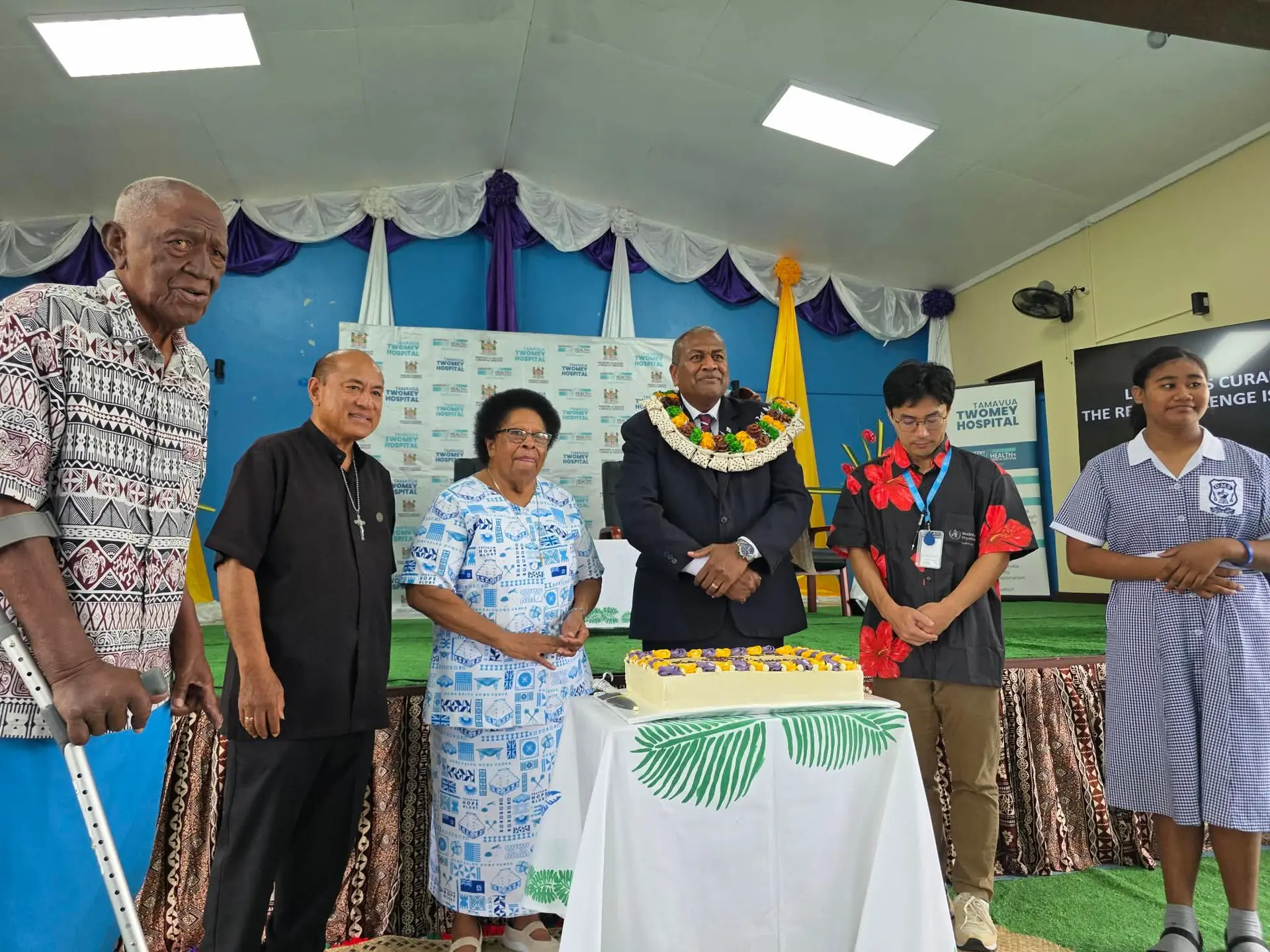
Speaking during World Leprosy Day commemorations, Assistant Minister for Health Penioni Ravunawa said the Ministry of Health and Medical Services remained focused on strengthening prevention, treatment and stigma-reduction efforts nationwide.
He paid tribute to the Catholic Mission in Fiji, particularly the Sisters of the Missionary Society of Mary and the Sisters of Our Lady of Nazareth, for decades of dedicated service to leprosy patients.
Related stories
“Their work laid the foundation for leprosy care in Fiji,” Mr Ravunawa said, noting that the mission first began caring for patients at Makogai before responsibility was transferred to the Ministry of Health in 1990 at Tamavua-i-wai, now home to the Leprosy and Dermatology Department.
Despite Fiji recording between four and eight locally acquired cases each year, Mr Ravunawa said confidence remained high that strengthened strategies would move the country closer to elimination.
He added that Fiji also treats between five and seven cases annually involving visitors from neighbouring Pacific island countries, underscoring Fiji’s role as a regional centre for leprosy care.
“The work done at Tamavua-i-wai Hospital is not only important for Fiji, but for the wider Pacific region,” he said.
Mr Ravunawa said the establishment of the Pacific Dermatology Training Centre in 2019 had further boosted regional collaboration and capacity to manage skin diseases, including leprosy.
He noted that scientific advances had transformed leprosy from one of the most feared diseases in history into a condition that is now curable, preventable and treatable with medication.
He also acknowledged the World Health Organization for its continued technical and scientific support, including the provision of free multi-drug therapy and evidence-based research that underpins Fiji’s leprosy control programme.
New approaches, such as single-dose rifampicin for post-exposure prophylaxis, were described by Mr Ravunawa as a “game-changer”, significantly reducing the risk of leprosy among close contacts of patients.
He urged the public to remember those living with complications and disabilities caused by leprosy, calling for care, compassion and inclusion.
“They need to be loved. They need to be cared for. This is our role as a society,” he said.
Mr Ravunawa also acknowledged the Leprosy Foundation of New Zealand for its ongoing support, including assistance with education, housing, farming and small business initiatives for affected individuals.
Referring to this year’s theme, “Leprosy is Pure Blood — the Real Challenge is Stigma”, he said eliminating the disease required collective effort, decisive action and a shared commitment to ending discrimination.
He concluded by wishing the Leprosy and Dermatology team at Tamavua-i-wai Hospital well in their eradication efforts and extended World Leprosy Day greetings to all partners, faith leaders and communities supporting the cause.








