iTaukei Appeal Workshop To Address Challenges Within Tribunal
Approximately 91 per cent of all land in Fiji is owned through customary ownership by the indigenous people and cannot be permanently alienated under any circumstances.
Friday 08 March 2019 | 10:57
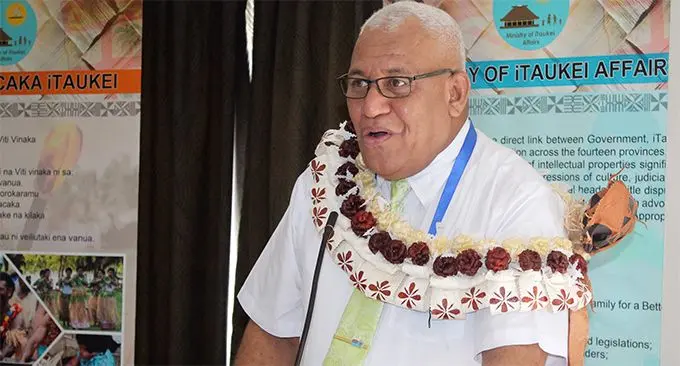
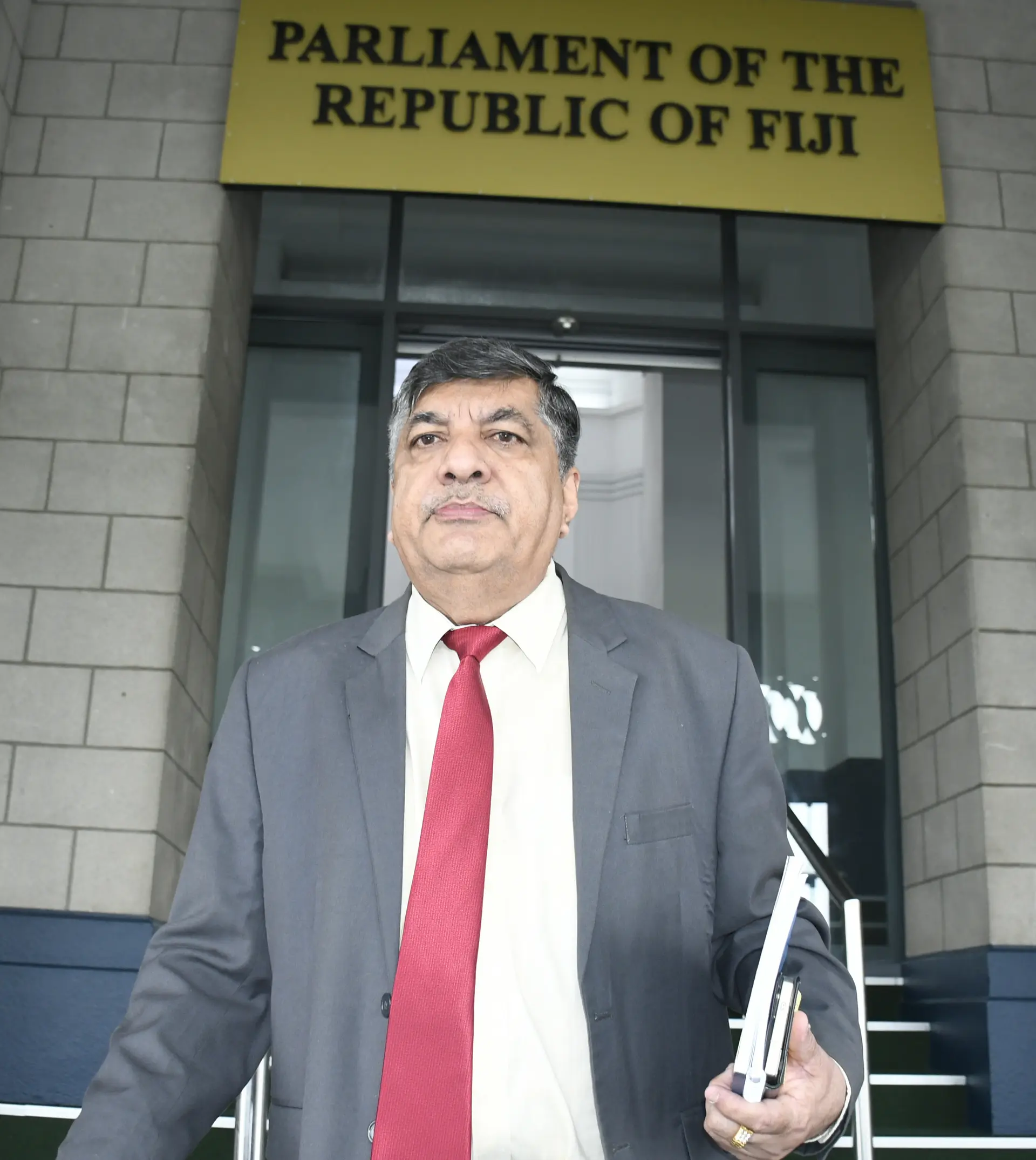
Permanent Secretary for the Ministry of iTaukei Affairs and Ministry and Ministry of Rural and Maritime Meleti Bainimarama.
The iTaukei Appeal Tribunal workshop is to address challenges and gaps within the tribunal.
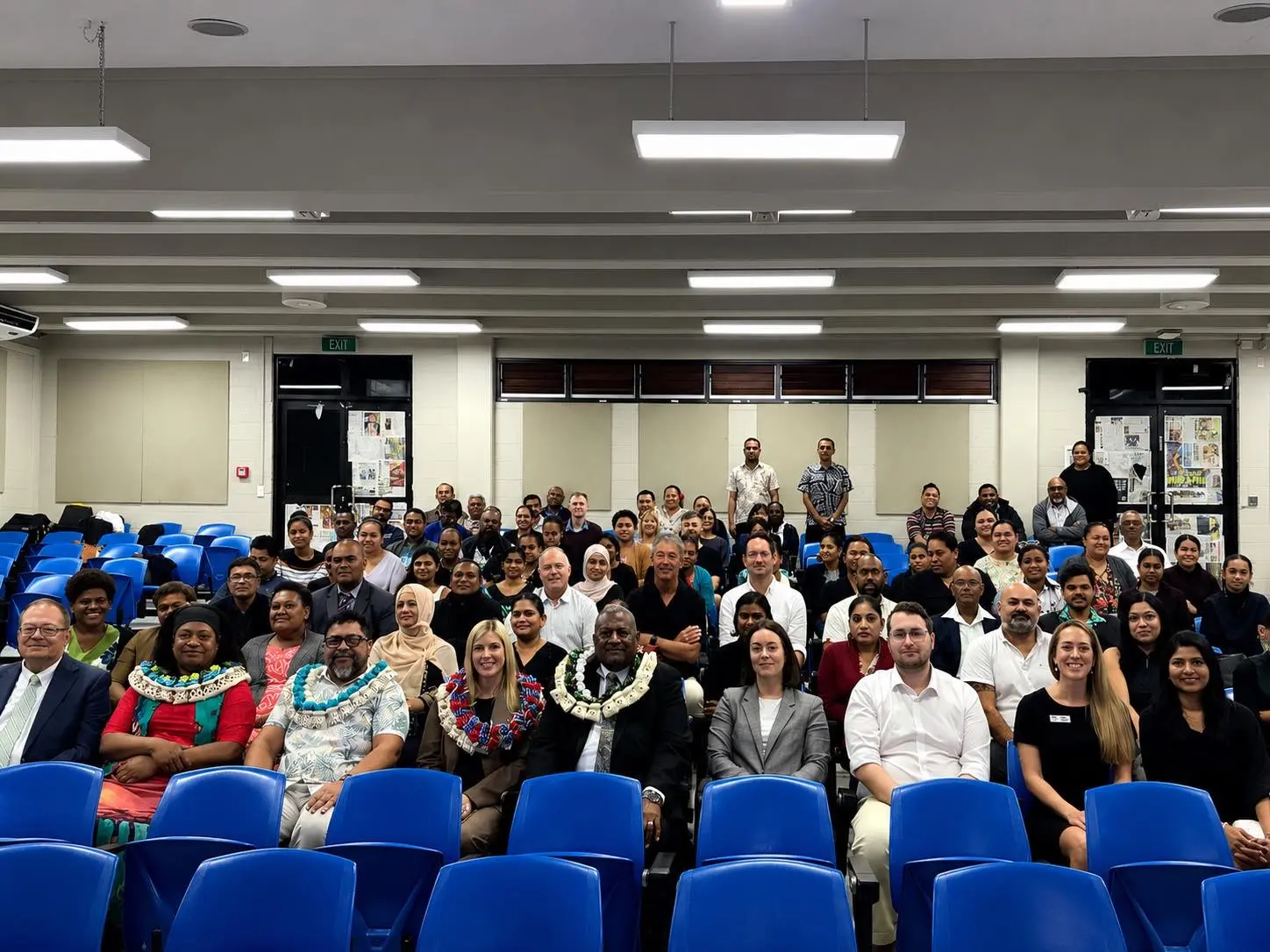
After the successful adjudication, a performance analysis was carried out and it was recommended that a capacity building workshop should be carried out for the Tribunal members that was held in Suva yesterday.
The two-day workshop will focus on the relevant iTaukei laws; the legal jurisdictions of the Tribunal; the Tribunal legal procedures and the draft iTaukei Appeals Tribunal Regulation 2016; the skills to analyse verbatim reports; understanding the Commission’s legal documents; and the new i-Taukei writing system.
Related stories
Permanent Secretary for the Ministry of iTaukei Affairs and Ministry of Rural and Maritime Meleti Bainimarama during his opening remarks said that such institution shows Government’s never ending support.
“The existence of the iTaukei Land Appeals Tribunal, the i-Taukei Land and Fisheries Commission and other iTaukei Institutions speaks volumes of the Government’s effort to safeguard and promote the rights of Indigenous people of this land,” he said.
“Today, approximately 91 per cent of all land in Fiji is owned through customary ownership by the indigenous people and cannot be permanently alienated under any circumstances.
This has given the indigenous people a level of security that has been noticeably absent in other countries and has been central to their social and economic well-being’’.
Mr Bainimarama added that the 2013 Constitution recognises the ownership that iTaukei have of their lands.
“Our 2013 Constitution recognises the indigenous people or the iTaukei, their ownership of iTaukei lands, their unique culture, customs, traditions and language. The indigenous rights of ownership and protection are stipulated in Section 28 to Section 30 of the Constitution,” he said.
Edited by Susana Tuilau