Kumar calls for tighter oversight of EFL monopoly
Committee hears concerns over renewable energy investment and electricity tariffs.
Tuesday 23 June 2026 | 07:30

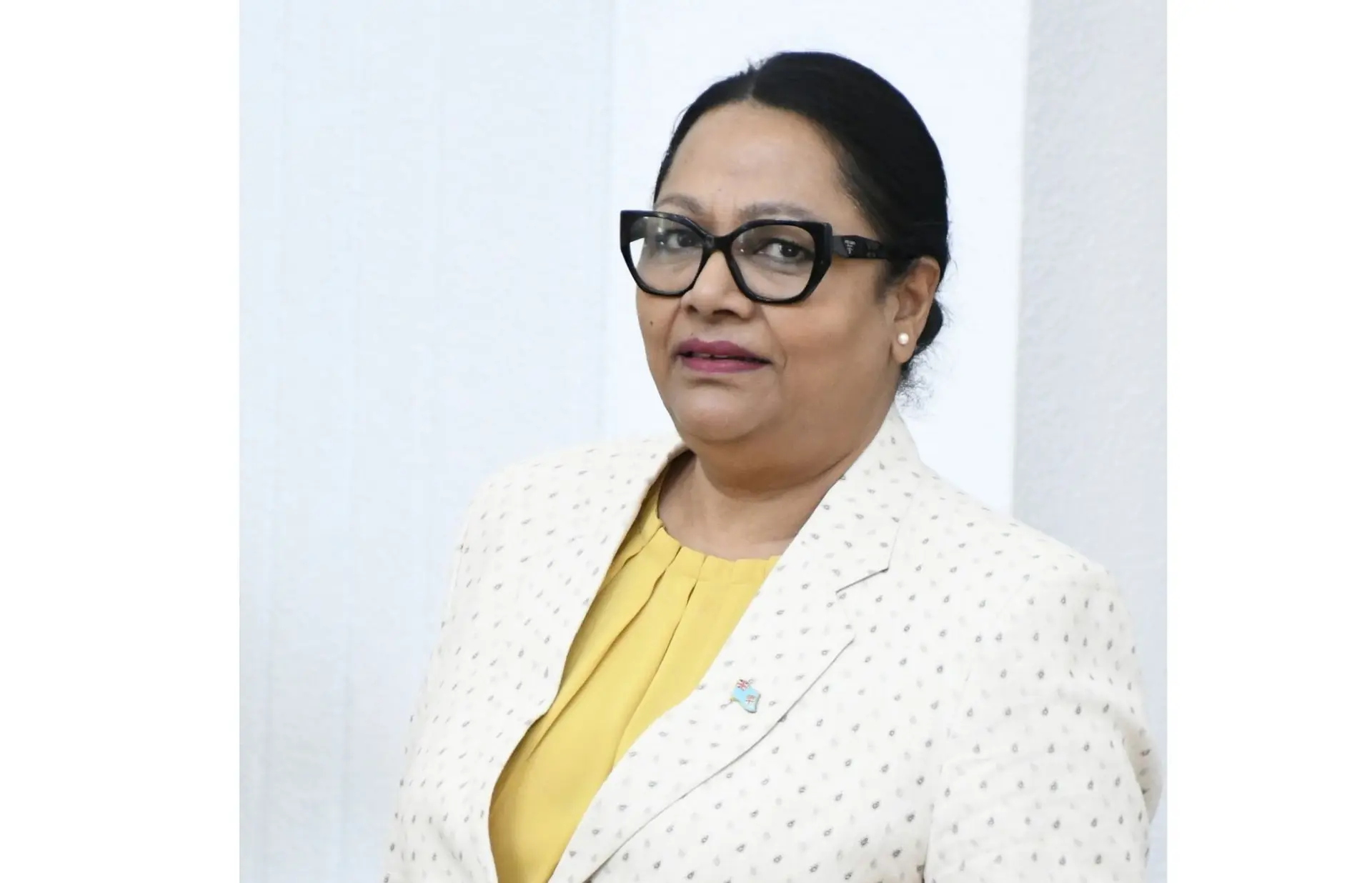
Opposition MP Premila Kumar outside Parliament on March 9, 2026.
Photo: Ronald Kumar
Standing Committee on Economic Affairs deputy chairperson Premila Kumar has called on the Fiji Competition and Consumer Commission (FCCC) to strengthen its oversight of Energy Fiji Limited's (EFL) monopoly over electricity supply.
Her comments followed discussions on EFL's financial performance and investment priorities.
Ms Kumar said that in 2023, EFL reported a loss but paid a $40 million dividend before applying to FCCC for a 31 per cent tariff increase.
Related stories
"EFL has been making profits over the years. However, its investment in renewable energy has been declining," Ms Kumar said.
"Any organisation with a healthy balance sheet can secure loans and invest in renewable energy projects, but we have not seen EFL move in that direction. That shows how a monopoly can operate."
Ms Kumar questioned why EFL had not accelerated investment in renewable energy despite the impact of rising fuel costs on electricity generation.
She urged FCCC to take a firmer approach when assessing tariff applications.
"It is time for FCCC to put its foot down, scrutinise how tariffs are determined and not simply agree to every request made by EFL," she said.
FCCC manager regulations Avnit Singh told the committee that all tariff applications undergo rigorous assessment before decisions are made.
"When we reviewed EFL's tariff increase application last year, there were extensive discussions on its plans to develop hydro projects, transmission lines and 65 megawatts of solar energy capacity," Mr Singh said.
"We carried out a thorough review and did not approve everything that was requested. One of the conditions was that EFL must deliver on the projects it committed to."
Mr Singh said FCCC remained committed to supporting Fiji's transition to renewable energy by 2035.
He said rising fuel costs highlighted the need for greater investment in renewable energy and infrastructure to support the country's future energy needs.