Lami Residents Not Happy With Plans By Chinese Company To Build Asphalt Plant
The Permanent Secretary for Environment, Joshua Wycliffe, said they would consider the health of the community before anything.
Wednesday 27 November 2019 | 11:50

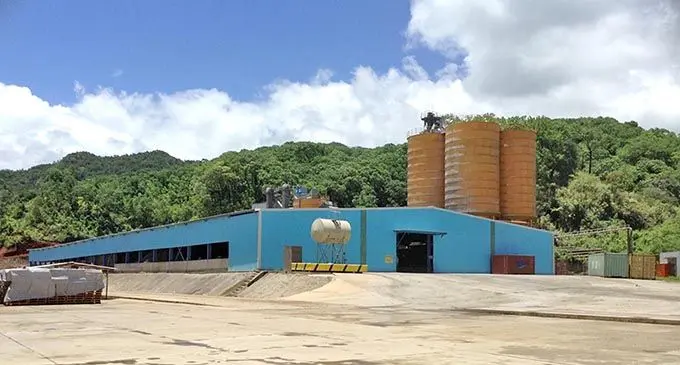
The company planning to build the proposed asphalt plant plans to lease land from Tengy Cement Limited in Lami.
The Ministry of Environment will make the most informed decision when deciding whether or not to give the go-ahead for the construction of an asphalt plant in Lami.
China Railway No.5 Company plans to build an asphalt plant by subleasing land from Tengy Cement Limited.
The idea has not gone down well with Lami residents.
Related stories
The Permanent Secretary for Environment, Joshua Wycliffe, said they would consider the health of the community before anything.
“We will apply the Environment Act and the proper regulations. That is the Government’s stand as well. If we find that to be toxic to the nearby communities, affecting health and not properly mitigated then we will not be in a position to approve it,” Mr Wycliffe said.
“That was the first consultation. This is the period we are receiving all the objections and support. We will have an expert committee to review all of that.
“We will make sure that it keeps with the law and secondly it keeps to the process. And we have to ensure that the health of the community is not affected.”
Lami resident Patrick Todd said international practices suggested that residential properties should be at least 1000 metres away from the plant.
“An asphalt plant releases toxic gas into the air, over time it affects people living close by. Studies have shown that and we have researched this,” Mr Todd said.
“Another thing to consider is that the plants need to be cleaned and harmful chemicals are going to be used. There is no indication where these chemicals will be disposed of.”
Last week, the first consultation phase was held and most residents opposed the idea.
Asphalt plants mix gravel and sand with crude oil derivatives to make the asphalt used to pave roads, highways, and parking lots across the country.
These plants release millions of kilograms of chemicals into the air during production each year, including many cancer-causing toxic air pollutants such as arsenic, benzene, formaldehyde, and cadmium.
Other toxic chemicals are released into the air as the asphalt is loaded into trucks and hauled from the plant site, including volatile organic compounds, polycyclic aromatic hydrocarbons (PAHs), and very fine condensed particulates.
Edited by Naisa Koroi
Feedback: shalveen.chand@fijisun.com.fj