Lomaiviti leaders push resource protection
They raised concerns over pollution, illegal fishing, climate change and rising living costs affecting island communities.
Thursday 28 May 2026 | 13:00


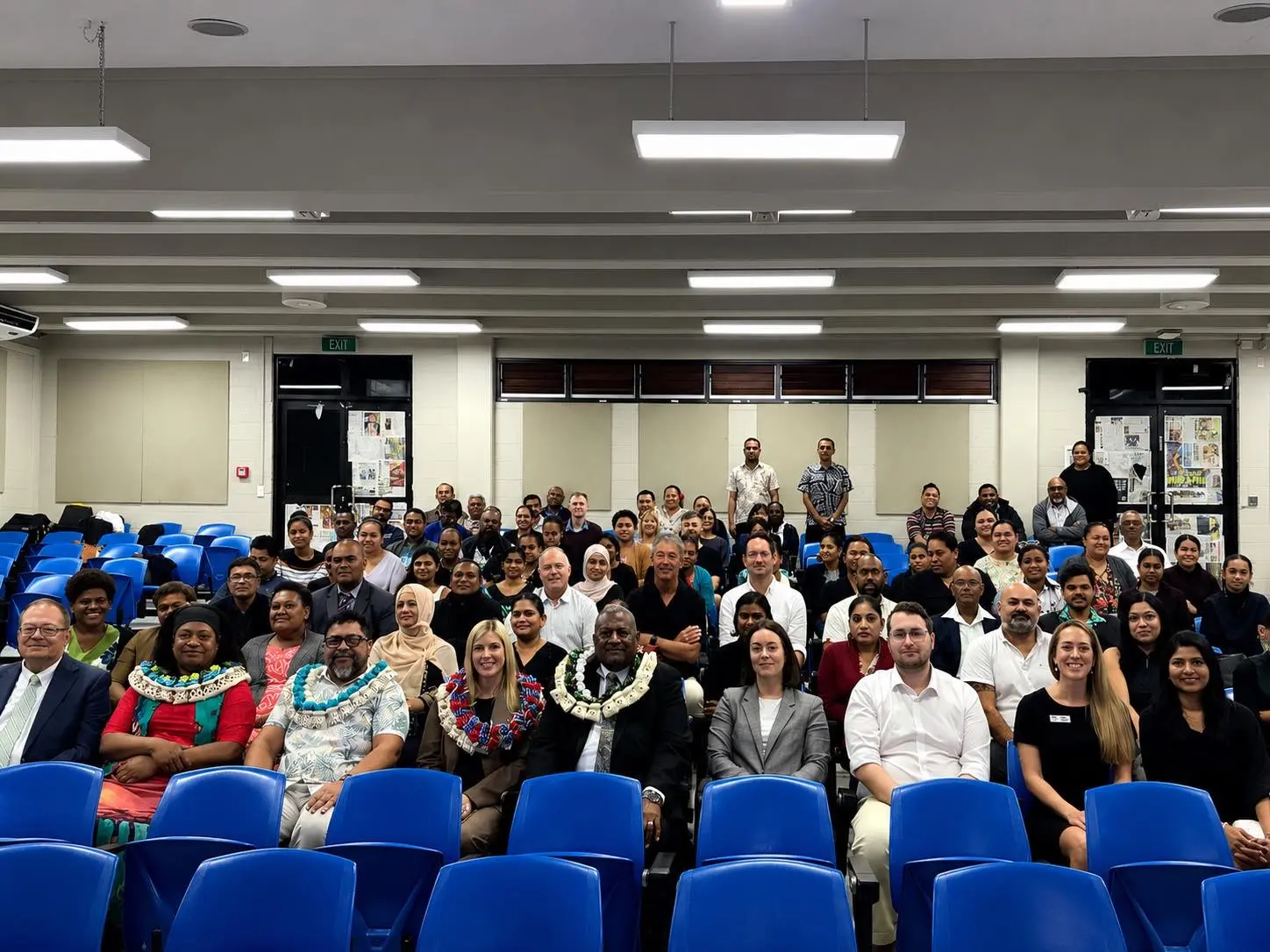
Lomaiviti Provincial Council chairperson, Samuela Vadei (third from right), Waisale Serevi and members of Lomaiviti Development Forum in Suva on May 26, 2026.
Photo: Ronald Kumar
Lomaiviti Provincial Council chairman Samuela Vadei is calling for stronger protection of the province’s natural resources, raising concerns over pollution, illegal fishing, climate change, drugs and the growing impact of rising fuel prices on island communities.
Mr Vadei spoke during the Lomaiviti Development Forum in Suva, which focused on improving awareness among tikina (district) and village representatives on issues affecting maritime communities, including drugs, land disputes, crime, health and environmental protection.
He said the programme also aimed to help villagers better understand Government systems, their legal rights as landowners and custodians of i-qoliqoli (fishing grounds), and the responsibilities tied to resource ownership.
Related stories
Environmental concerns
During the meeting, mata ni tikina (district representatives) raised concerns about increasing pollution and environmental degradation within Lomaiviti waters.
Representatives claimed rubbish and oil spills from vessels travelling through the province had frequently washed onto island shores, affecting marine ecosystems and threatening the livelihoods of communities heavily dependent on the sea for food and income.
The islands of Ovalau, Gau, Koro, Batiki and Nairai make up Lomaiviti Province.
Mr Vadei said fish stocks and seafood resources appeared to be declining, forcing villagers to travel further offshore to catch fish and gather shellfish.
He said the province wanted closer collaboration with Government agencies and climate experts to better understand environmental changes affecting the islands and strengthen marine resource protection.
Concerns were also raised about biosecurity risks posed by larger international vessels entering Fiji’s waters without sufficient monitoring systems in maritime areas.
Illegal fishing was identified as another growing issue.
Mr Vadei claimed there was significant vessel movement through Lomaiviti waters, particularly at night, while local resource owners had little influence over fishing licence decisions made by State authorities.
He said provincial leaders intended to engage Government on tighter regulations surrounding fishing activities and vessel access near island communities.
Mr Vadei also said plans were in place to introduce resolutions restricting the use of chemical farming products across the province because of concerns over contamination of drinking water sources, streams and coastal waters.
The forum placed strong emphasis on promoting organic farming practices, with leaders saying stronger by-laws were needed to protect the environment and food systems from artificial chemicals.
Cost of living pressures
The impact of rising fuel prices and the increasing cost of living also featured prominently during discussions.
Forum organisers warned that higher fuel costs would increase transportation expenses and the price of goods brought from mainland Fiji to maritime islands, placing additional pressure on household budgets.
Communities were encouraged to strengthen food security by planting more cassava (tavioka), dalo (taro), vegetables and fruit trees to reduce dependence on imported goods.
Financial literacy training was also conducted during the forum, with representatives from the Reserve Bank of Fiji advising villagers on budgeting and reducing unnecessary spending amid rising living costs.
Drug concerns
Drug-related issues were also discussed, with Mr Vadei saying villages in Lomaiviti continued to enforce strict traditional by-laws against drug use and other criminal activities.
He said village chiefs exercised authority to exile individuals from returning to their villages if they were considered a threat to the community or a negative influence on young people.
“Recent cases involving youths allegedly linked to marijuana cultivation had embarrassed village leaders and prompted village councils to instruct those involved not to return to the islands,” Mr Vadei said.
The issue of youth migration to mainland Fiji was also raised, with concerns that limited employment opportunities in maritime islands could contribute to urban drift, unemployment and crime.
However, provincial leaders pointed to successful village-based farming initiatives as evidence that young people could build sustainable livelihoods within their communities.
Mr Vadei highlighted a “million-dollar programme” where young people had reportedly earned enough income through yaqona farming to build homes, establish small businesses and buy vehicles.
He said more than 15 houses had been built through the initiative in one village alone, while a young farmer from Gau had purchased a four-wheel-drive vehicle before the age of 25 after selling his first yaqona crop.
Leaders said such programmes demonstrated that agriculture and village-based enterprise could provide practical solutions to unemployment and youth crime if properly supported.