LPG prices surge as fuel costs hit record highs
On Taveuni, a 12kg cylinder now costs $50.01, while in Rotuma the same cylinder has climbed to $60.63 following an increase of $11.73.
Monday 01 June 2026 | 07:00

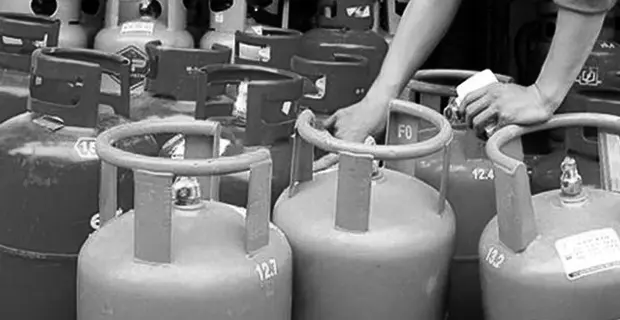
Households across Fiji will face a sharp increase in cooking gas costs from today, with LPG prices recording some of the biggest hikes in the latest fuel and energy review.
The Fijian Competition and Consumer Commission (FCCC) announced that a standard 12kg LPG cylinder on Viti Levu and Vanua Levu has increased by $9.02, rising from $37.58 to $46.60, while a 4.5kg cylinder now costs $17.48, up $3.39.
Consumers in outer islands and remote areas will pay even more. On Taveuni, a 12kg cylinder now costs $50.01, while in Rotuma the same cylinder has climbed to $60.63 following an increase of $11.73.
Related stories
The increase comes as fuel prices across the country also surged to record levels from June 1.
Diesel recorded one of the largest increases among fuel products, rising by up to 80 cents a litre depending on location, while petrol increased by around 80 cents a litre nationwide.
FCCC said the June price adjustment reflected unprecedented volatility in international fuel markets over the past two months.
“The June 2026 adjustment reflects unprecedented volatility in international fuel markets over the past two months, driven by global forces beyond Fiji's control.”
The commission said fuel prices had now reached their highest recorded levels due to sustained increases in international refined fuel prices, freight costs and exchange rate movements.
According to FCCC, LPG prices were driven higher by a sharp rise in international butane contract prices and increased freight costs.
The regulator noted that butane prices surged from US$540 per tonne to US$800 per tonne, while international freight rates also increased significantly.
Despite the increases, FCCC said it had taken steps to cushion the impact on vulnerable consumers, particularly by limiting increases on products such as kerosene and premix that are widely used in maritime and rural communities.
The commission said maintaining a continuous and sustainable fuel supply throughout Fiji remained a national priority amid ongoing geopolitical and economic uncertainty.