Making a difference in rural Ba: Vani Tuvuki serves without hesitation
Despite years of advocacy, Ms Tuvuki remains concerned about the challenges facing rural communities, particularly women, youths and farmers.
Monday 15 June 2026 | 14:00
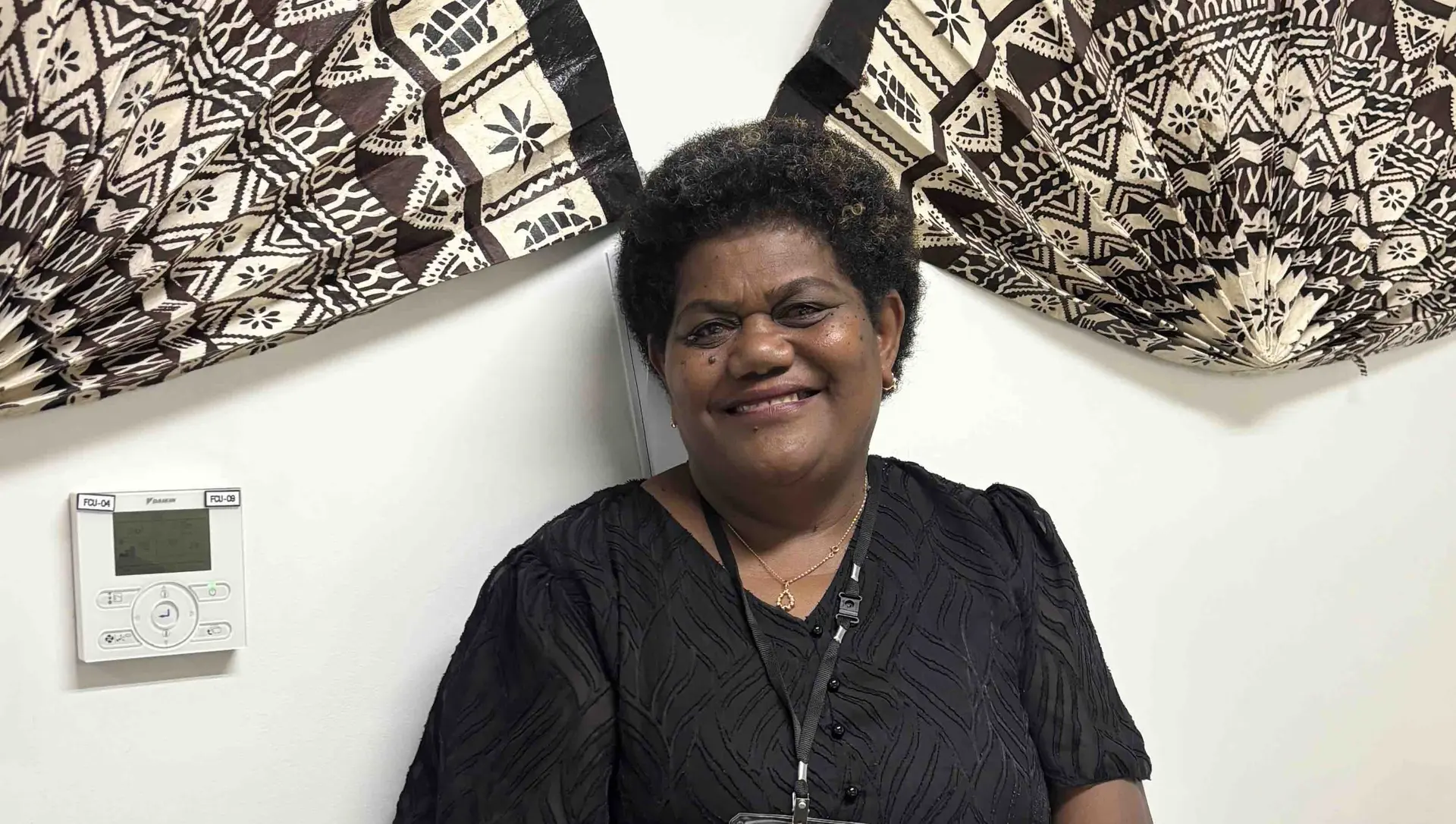
For more than three decades, Vani Tuvuki has dedicated her life to helping others.
The former secondary school teacher, community advocate, counsellor and lay pastor has spent years working with women, youths and vulnerable communities across rural Ba, driven by one simple goal — to make a difference.
Now, the 58-year-old widow from Koronubu believes the next step in that journey may be Parliament.
Related stories
“My purpose has always been to help people,” she said.
“If I have to stand for election and I don’t win, at least I will have shown the women I train and work with that if I can do it, they can too.”
Born in Tavua and raised in Vatukoula, Ms Tuvuki traces her roots to Nabavatu in Dreketi, Macuata, with maternal links to Dravuwalu in Kadavu. She married a school teacher from Taveuni and together they built a life in Ba, raising three children and welcoming five grandchildren.
Her passion for advocacy was shaped early in life.
She watched her mother and aunts navigate difficult relationships and personal struggles after her parents separated.
“They were courageous women who went through a lot,” she said.
“I saw the challenges they faced, including abuse and hardship. I told myself that I wanted to make a difference in other women’s lives.”
Determination
That determination led her beyond the classroom.
After teaching for 17 years, she resigned.
“The classroom was not enough for me,” she said.
“I had so much energy and passion. I saw women and activists making a difference in the community and I wanted to be one of them.”
She joined the Fiji Women’s crisis centre in Ba, where she worked as a counsellor for four years before moving to the Red Cross.
She later became one of the first Pacific interns in logistics with the International Federation of Red Cross and Red Crescent Societies (IFRC).
But perhaps her most enduring contribution has been helping revive the Ba District Council of Social Services (DCOSS), a platform that brings together community organisations to address social issues.
“A few of us saw the need because of the growing social issues in Ba,” she said.
“We believed reviving the council could help tackle some of those challenges.”
Today, she serves as national vice-president of the Fiji Council of Social Services while continuing grassroots work in communities.
Her service
Her service extends beyond NGOs.
As a lay pastor, she helps lead a small church in Koronubu run entirely by women.
“When my husband passed away three years ago, four women took over the church,” she said.
“These are the spaces where we empower women, whether through faith, community work or leadership.”
Over the years, she has worked with survivors of abuse, single mothers, people living with disabilities and members of the LGBTQI community.
She believes lasting change can only happen when ordinary people step into leadership.
“Why not get into the system so we can change it?” she said.
“Otherwise we keep talking about the same issues year after year.”
One moment stands out among her many years of volunteering.
Without funding, she and fellow volunteers travelled deep into the interior of Ba to help villagers access the Back to School assistance programme before the application deadline closed.
Using her own vehicle, the group spent three days in the highlands of Bukuya, Ba area, sleeping in a friend’s house and surviving on simple meals while helping residents complete forms.
“We filled about 600 forms across villages and settlements,” she said.
“I was so happy because I had reached the unreachable.”
Despite years of advocacy, Ms Tuvuki remains concerned about the challenges facing rural communities, particularly women, youths and farmers.
She worries that younger generations are turning away from farming because they see little future in it.
“Our children don’t want to be farmers anymore,” she said.
“They see the struggles and they see little return.”
She also believes more needs to be done for rural youths.
“Don’t just come and train young people and leave,” she said.
“Give them resources, help them start businesses, support them to succeed.”
Through it all, she says her faith, family and commitment to future generations continue to motivate her.
“What keeps me going is my purpose, my faith in God, my family and the positive change we can create for future generations,” she said.
Asked to describe her leadership style in three words, her answer came without hesitation:
“Empowering, compassionate and resilient.”








