Melanesian Descendants Reflect on Legacy and Struggle
Reflecting on the past, Mr Biroko noted: "Our ancestors were brought here forcefully, yet they built roads, worked on farms, and played a significant role in Fiji's development.
Sunday 10 November 2024 | 10:38


It was a meaningful journey for Timoci Biroko and Alumita Tabua, who travelled from Cawaira, a settlement near Labasa, to Suva this week to mark the 160th anniversary of Melanesian labourers arriving in Fiji.
Cawaira, originally settled by descendants of Solomon Islanders brought to Fiji in the 1890s, stands as a reminder of a shared history shaped by resilience and hard work.
The origins of the Cawaira settlement and others like it trace back to Solomon Islanders who were brought over by sugarcane planters to work on Fiji's plantations.
Related stories
Among these was Jale Marata, who, after his labour years and retirement from the Labasa sugar mill in 1950, built a home on Mali Island, naming it "Marata" in tribute to his birthplace in Malaita, Solomon Islands.
The descendants of these Solomon Islanders now reside in villages like Cawaira and Vanuavou, carrying on a legacy forged in hardship.
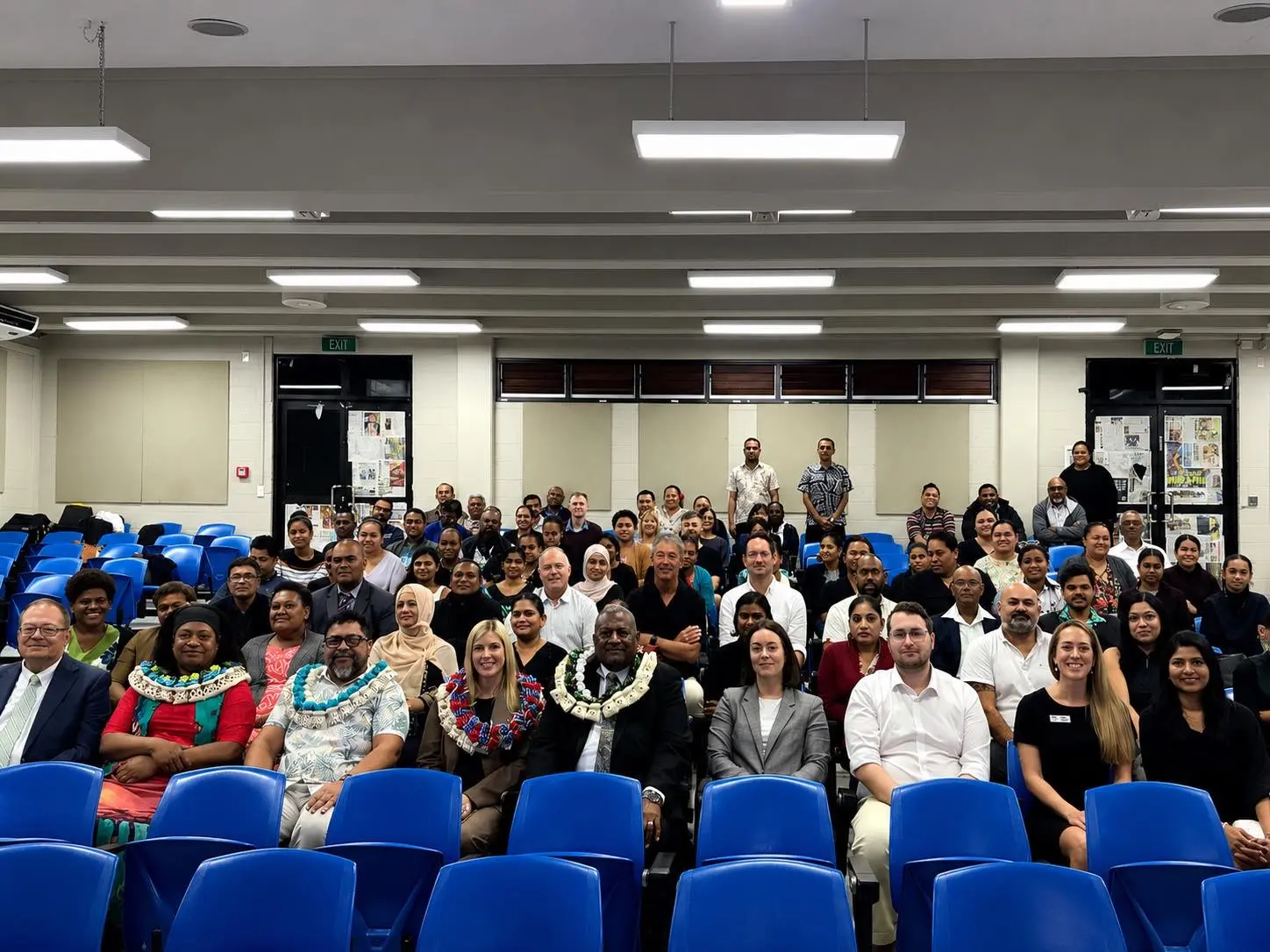
Mr Biroko, who grew up in Cawaira and is now in his 50s, attended a dialogue on Thursday at the iTaukei Trust Board complex, where Melanesian representatives, including himself, met with Minister for iTaukei Affairs Ifereimi Vasu. Together, they discussed the community's struggles to gain recognition and equal value in society.
"We were often discriminated against, excluded from society," he shared.
"The struggle continues, but we are determined to keep fighting for stability and a better future."
Currently, Cawaira is home to around 70 houses. The residents, proud of their heritage, hope to advance educational and economic opportunities for their children, carrying forward the resilience of their forebears.
Reflecting on the past, Mr Biroko noted: "Our ancestors were brought here forcefully, yet they built roads, worked on farms, and played a significant role in Fiji's development."
"Today, there are almost 30 Solomon Islander and Vanuatu settlements across Fiji."
Between 1864 and 1911, over 27,000 individuals from the New Hebrides, Solomon Islands, and Kiribati were brought to Fiji under a practice known as blackbirding.
This labour system saw them brought first to Ovalau and then sent to various regions to work on coconut plantations.
While these Melanesian communities have integrated into Fijian society, many remain in informal settlements.
The Government is now working to formalise these communities, acknowledging their resilience and the contributions that many Fijians remain unfamiliar with.
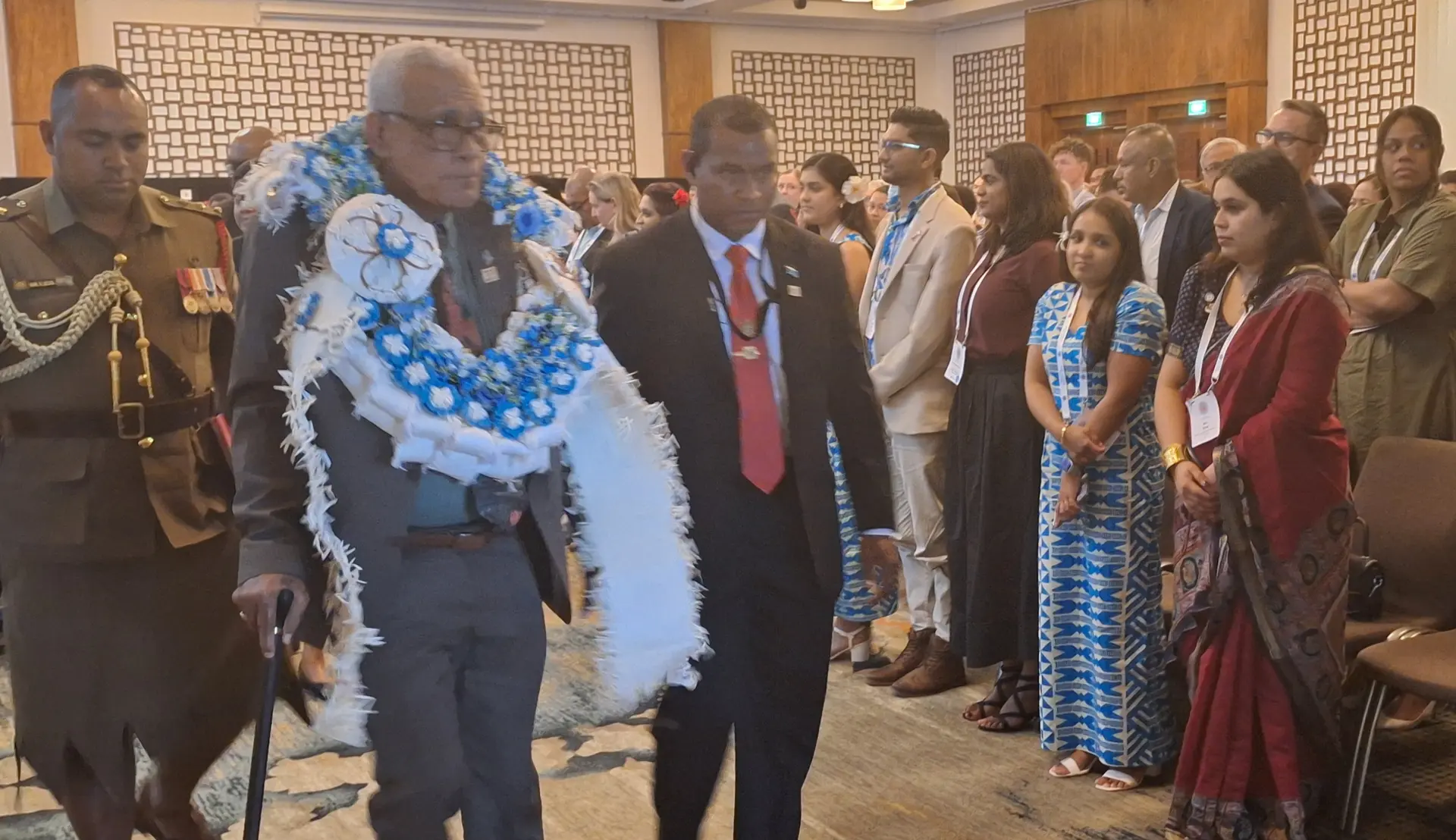
As part of Thursday's anniversary events, the Melanesian community in Suva gathered to reflect on their history and meet with Minister Vasu, who acknowledged the legacy of Fiji's Melanesian descendants.
"This is the first time the government has formally recognised and preserved the cultural and historical contributions of Melanesian descendants," he said, apologising on behalf of the government for their years of largely unrecognised contributions.
"Although your history is rooted in trauma, the anniversary theme, 'Unshackling Our History: Restoring Melanesian History in Fiji', is crucial as we reshape our national understanding of your contributions."
The Government, through the Ministry of iTaukei Affairs, dedicated $100,000 to the anniversary celebration, which included cultural processions and performances at Suva's foreshore, bringing the community together in pride and reflection.
Feedback: sosiveta.korobiau@fijisun.fj