Middle East crisis threatens fuel price spike for Fiji
FCCC chief executive Senikavika L Jiuta said the commission was closely monitoring developments and would keep Fijians informed of potential economic impacts.
Wednesday 04 March 2026 | 07:00

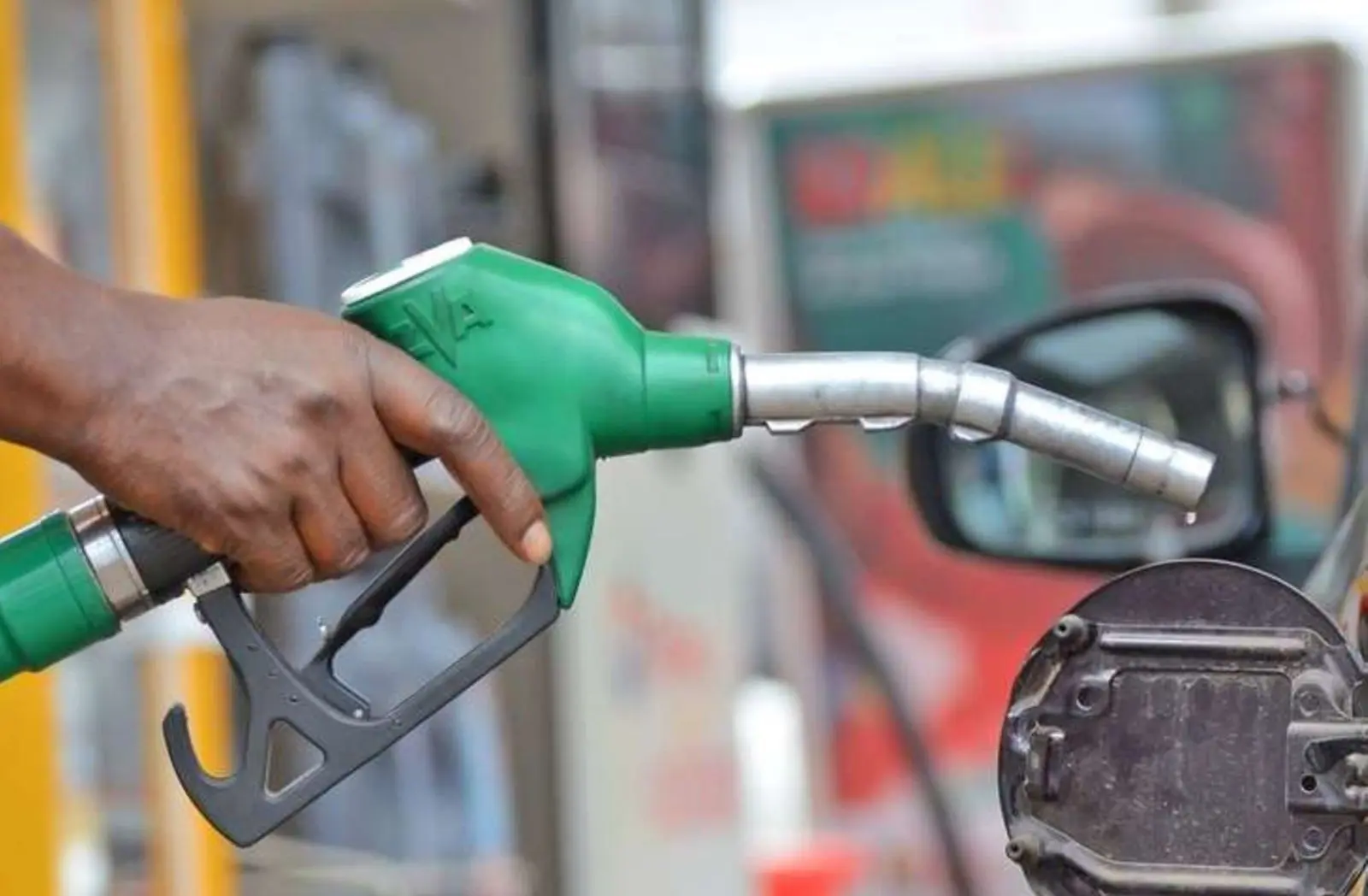
Escalating tensions in the Middle East could soon hit Fijians at the fuel pump, with the Fijian Competition and Consumer Commission (FCCC) warning that a crisis around the Strait of Hormuz may trigger higher fuel prices locally.
The geopolitical situation follows US and Israeli military strikes on Iran, raising fears of disruption along the narrow Strait of Hormuz — a critical global oil chokepoint between Iran and Oman through which about one-fifth of the world’s oil and gas supply passes daily.
While the strait has not been officially closed, oil tankers have reportedly been warned against crossing. At least 150 tankers, including oil and gas carriers, have anchored rather than risk passage. The uncertainty has already pushed global oil prices higher and unsettled energy markets worldwide.
Related stories
FCCC chief executive Senikavika L Jiuta said the commission was closely monitoring developments and would keep Fijians informed of potential economic impacts.
“With Fiji being price taker, it is inevitable that there will be an impact, especially on fuel prices. Our team is diligently monitoring the current events and will provide further analyses highlighting the impact, including on other sectors, as the situation continues to develop,” Ms Jiuta said.
“Fiji imports all of its fuel, with it making about 16% of Fiji's total imports, as we do not produce any crude oil of our own. That means when global oil prices go up, Fiji's fuel prices follow, usually within a month since we use a one-month pricing lag for our fuel and LPG price determinations.”
She warned that the effects would extend beyond fuel pumps.
“Higher oil prices will not just hit the pump prices, they have the potential to raise costs across the entire economy, so we ask everyone to please take note and prepare accordingly.”
What could happen next?
The scale of impact will depend largely on how long disruptions last:
- A short disruption (under two weeks) could see temporary price spikes before stabilisation.
- A medium disruption (one to three months) could trigger serious economic damage, including higher fuel, food and goods prices in Fiji.
- A full closure could push oil prices to between USD $150–200 per barrel, fuelling major global inflation and sharp increases in fuel, food and transport costs.
Sectors at risk
Potential impacts include:
- Higher transport and logistics costs, leading to increased shop prices.
- Rising food and grocery prices, both imported and locally transported.
- Increased electricity generation costs due to diesel reliance.
- Pressure on tourism as higher aviation fuel costs affect visitor numbers and business margins.
- Greater strain on lower-income households, which spend a larger share of income on transport, cooking gas and essential goods.
Key factors to watch
FCCC highlighted several critical variables:
- The duration of the conflict and disruption.
- Movements in the USD–FJD exchange rate, as a stronger US dollar raises import costs.
- Shipping and insurance costs, which may rise even without full closure.
- Global oil benchmark movements, which directly influence Fiji’s regulated fuel prices.
Public urged to prepare
FCCC is advising consumers to reduce unnecessary travel, budget for possible price changes in the coming month, consider alternative transport options and monitor official updates.
“FCCC will continue to leverage its expertise and provide the necessary analyses and updates in the days to come. We urge everyone to follow our social media and check our website so they can stay informed,” Ms Jiuta said.
The advisory is based on the March 2026 Market Advisory and Price Forecast prepared for Fijian consumers and FCCC, noting that market conditions can change rapidly and the information provided is for general awareness only.