Minimise Bangladeshi worker imports, local youths are capable: Youth president
However, she also encouraged young people to improve their qualifications and skills to remain competitive in the workforce.
Friday 29 May 2026 | 13:30
Updated 30 May 2026 | 13:12 FJT

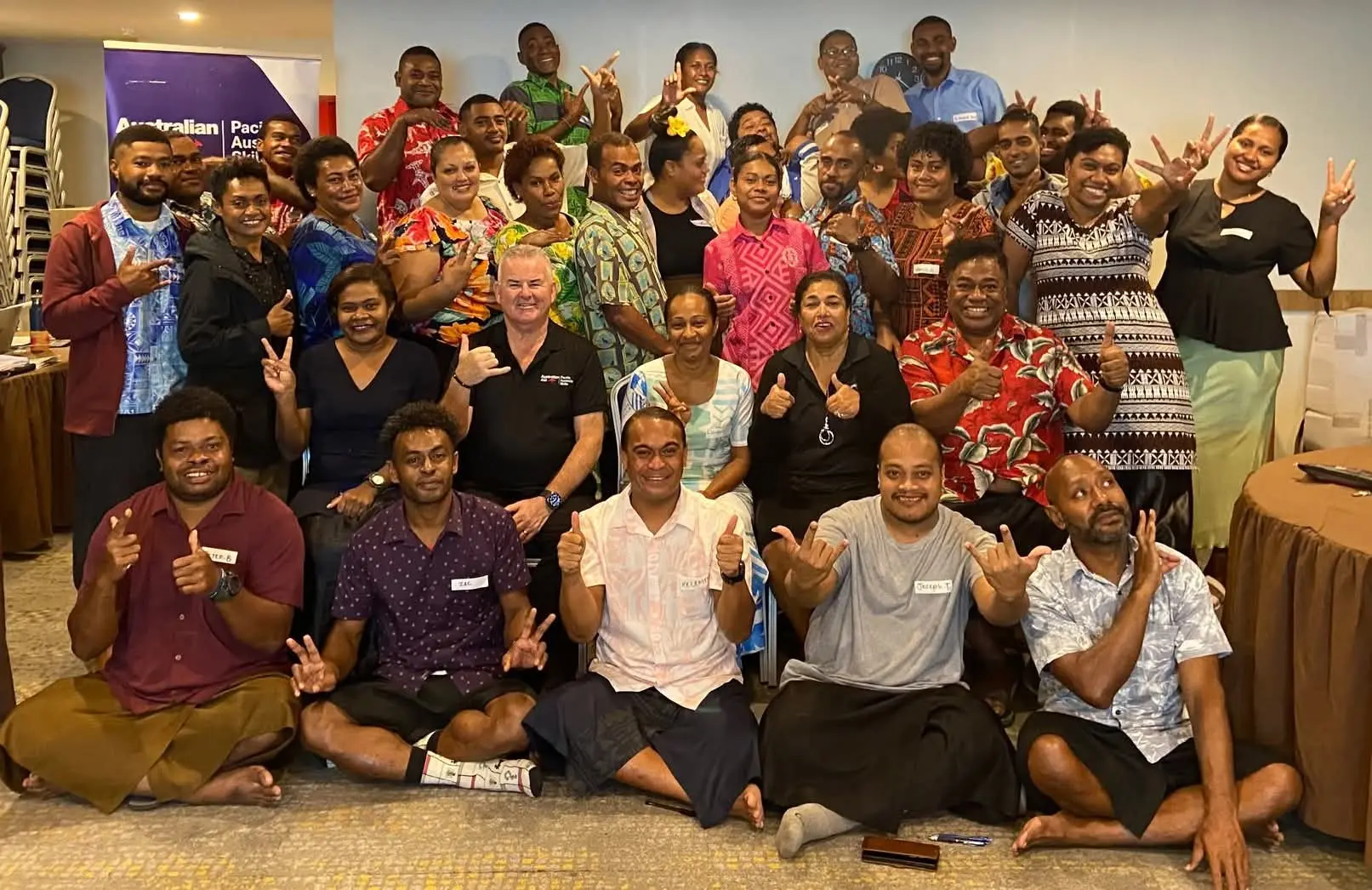
National Youth Council of Fiji members during an event in Labasa this week.
Photo: Sampras Anand.
The Coalition Government should minimise the influx of Bangladeshi workers into Fiji because it is reducing employment opportunities for local youths, says National Youth Council of Fiji president Laisani Sepo.
Ms Sapo said many industries, including construction and transport, had become too reliant on imported Bangladeshi workers.
She warned that if the trend continued, it would become increasingly difficult for Fijian youths to secure jobs in their own country.
Related stories
Ms Sapo said local youths possessed the capability and raw talent needed by employers, but there was a need to identify, train and develop them into productive workers.
However, she also encouraged young people to improve their qualifications and skills to remain competitive in the workforce.
“I believe the Government needs to invest more in youths to educate and train them in blue-collar trade skills and ensure effective induction into the Fijian workforce,” she said.
Ms Sapo said staff retention remained a challenge, with absenteeism often cited as a major reason some employers preferred overseas workers.
“We have to prove to our employers that we are more capable than our competitors,” she said.
She added that local youths had an advantage because they were already familiar with Fiji’s three major languages — Fiji Hindi, iTaukei and English.
Ms Sapo said this communication advantage could help employers improve productivity and reduce challenges associated with language barriers.
She also urged the Government to engage directly with young people at the grassroots level.
“Don’t take a top-bottom approach, but a bottom-up approach. Let the Government ministers come down to the grassroots level and discuss with youths on their needs directly,” she said.
Ms Sapo also highlighted concerns about the migration of skilled young people overseas.
“We have an exodus of our youths moving out to other countries, while the third-world countries and its youth are entering our country for jobs and opportunities, which should have been the opposite,” she said.
Nakasi Youth Club founder Mohammed Shafil supported Ms Sapo’s views, saying local youth employment should be prioritised over importing workers.
Mr Shafil said youths were valuable assets to the country and that retaining them depended on creating a conducive and healthy work environment.
He added that young people also needed to take responsibility for their future by filling local vacancies rather than becoming involved in crime and drugs.