Ministry Cautions Against Backyard Slaughtering
Meat is safer to consume when it is slaughtered in a registered slaughterhouse because they have procedures in place and have met all the requirements needed to set up a slaughterhouse.
Sunday 11 February 2024 | 11:30
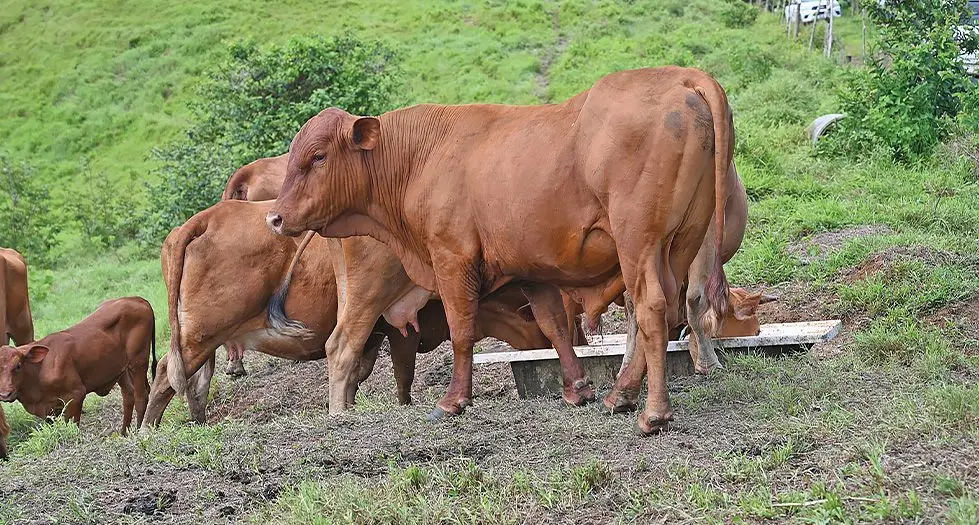
As per the Meat Industry Act, any meat for sale to the public needs to come from a registered slaughterhouse.
The Ministry of Agriculture and Waterways is advising the general public to be cautious about backyard slaughtering of livestock for family gatherings and functions.
Over the years, the ministry has seen an increase in backyard slaughtering and some have even gone to the extent of selling meat from livestock slaughtered in their backyards.
Director for Animal Health and Production Division, Avinesh Dayal says that there are high risk factors when livestock are slaughtered in backyards without the supervision of meat inspectors.
Related stories
“As per the Meat Industry Act, any meat for sale to the public needs to come from a registered slaughterhouse.
This is to help prevent diseased meat from reaching consumers and to ensure that meat is processed and stored under sanitary conditions.
The main purpose of meat inspection is to prevent and detect public health hazards such as foodborne pathogens, contaminants and zoonotic diseases,” Mr Dayal said.
“Any person failing to comply with the provisions in the Meat Industry Act and if found guilty, will have to pay a fine amounting up to $200.
“Meat is safer to consume when it is slaughtered in a registered slaughterhouse because they have procedures in place and have met all the requirements needed to set up a slaughterhouse.

Paid Advertisement | February 2024
We ask everyone to take heed of the advice and adhere to the rules and regulations in place.”
It is always safe during large gatherings to have the meat inspected by the meat inspectors to ensure the meat from the animal is wholesome, free from disease, and of no risk to human health.
“The increasing number of informal slaughters in the country for traditional obligations and festivities poses a high risk of transmission of diseases to humans, so it is important to invite our livestock officers to do a thorough inspection of slaughtered livestock before they are consumed or distributed to other family members.”
The general public is advised to visit the nearest agriculture station and talk to their livestock officers so that they are informed and aware of the processes in place and how they can assist in the Ministry’s overall efforts towards animal health and production and reduce the risks to public health.
Feedback: inoke.rabonu@fijisun.com.fj