Narube: Fix Constitution First
Mr Narube said the “elephant in the room” was the 2013 Constitution, which needed to be addressed first before any electoral reforms could be implemented.
Tuesday 10 June 2025 | 11:52
Updated 08 August 2025 | 15:37 FJT

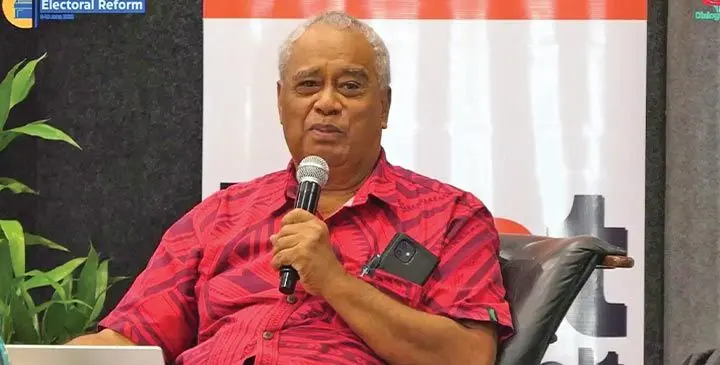
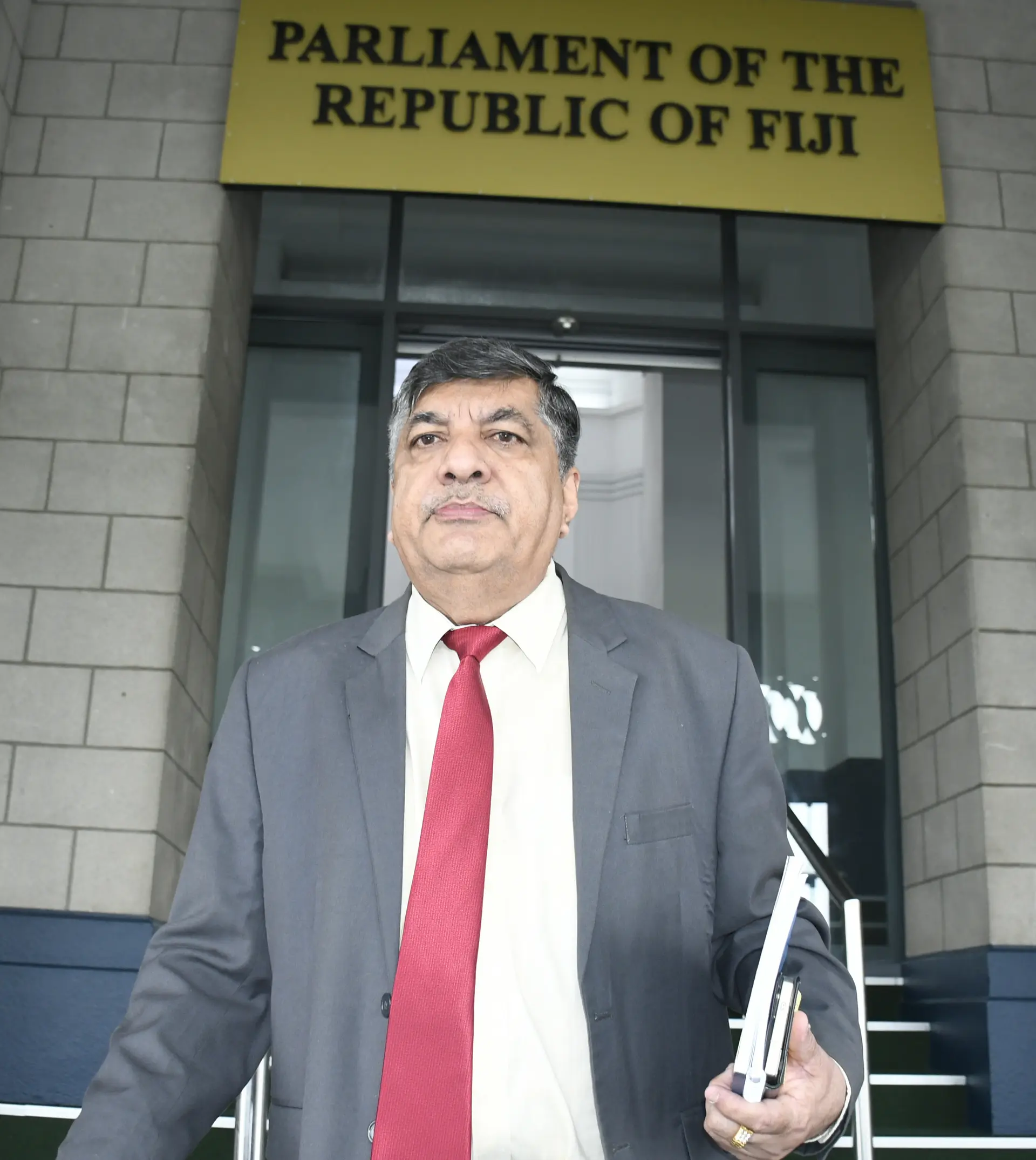
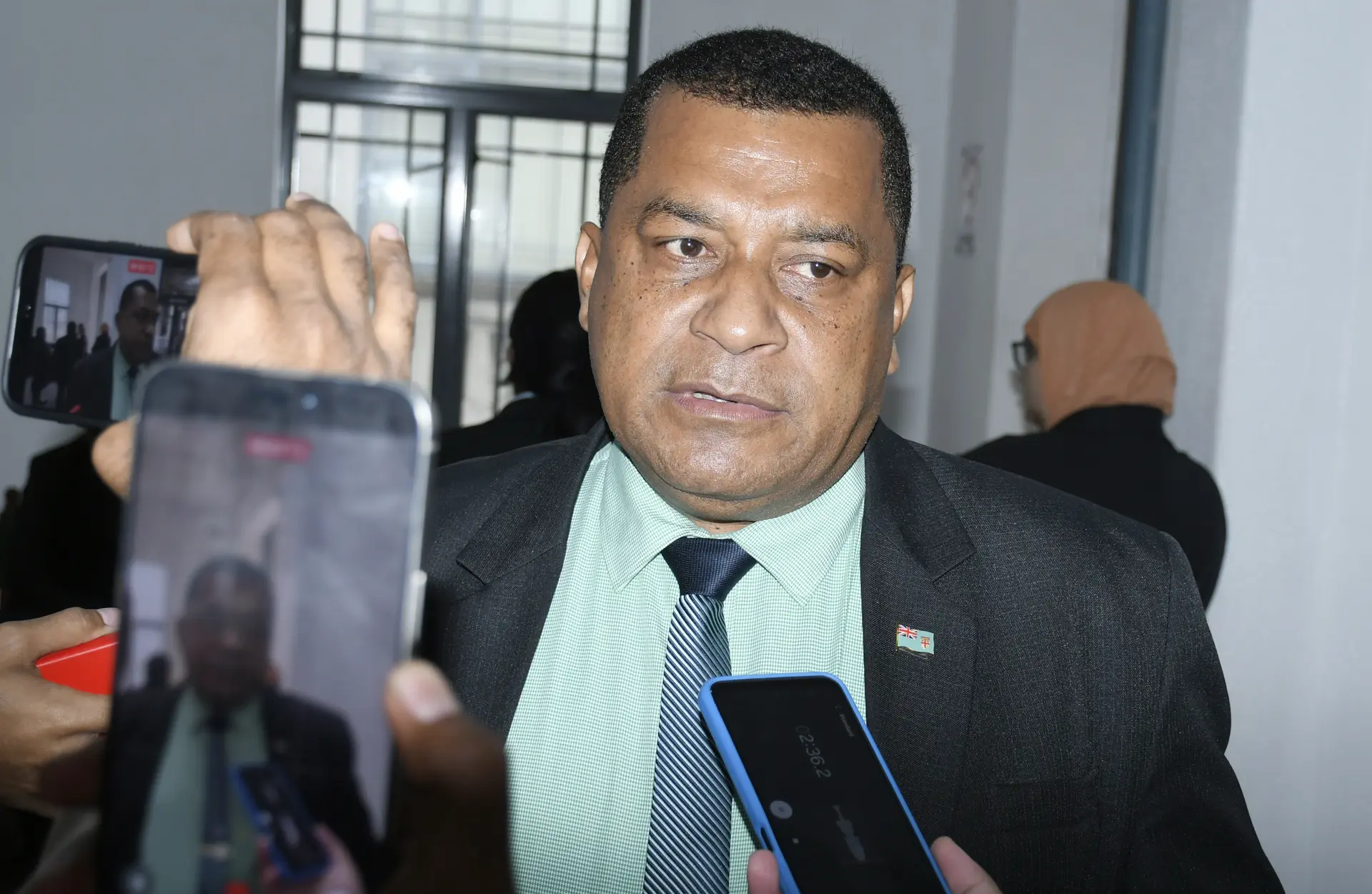
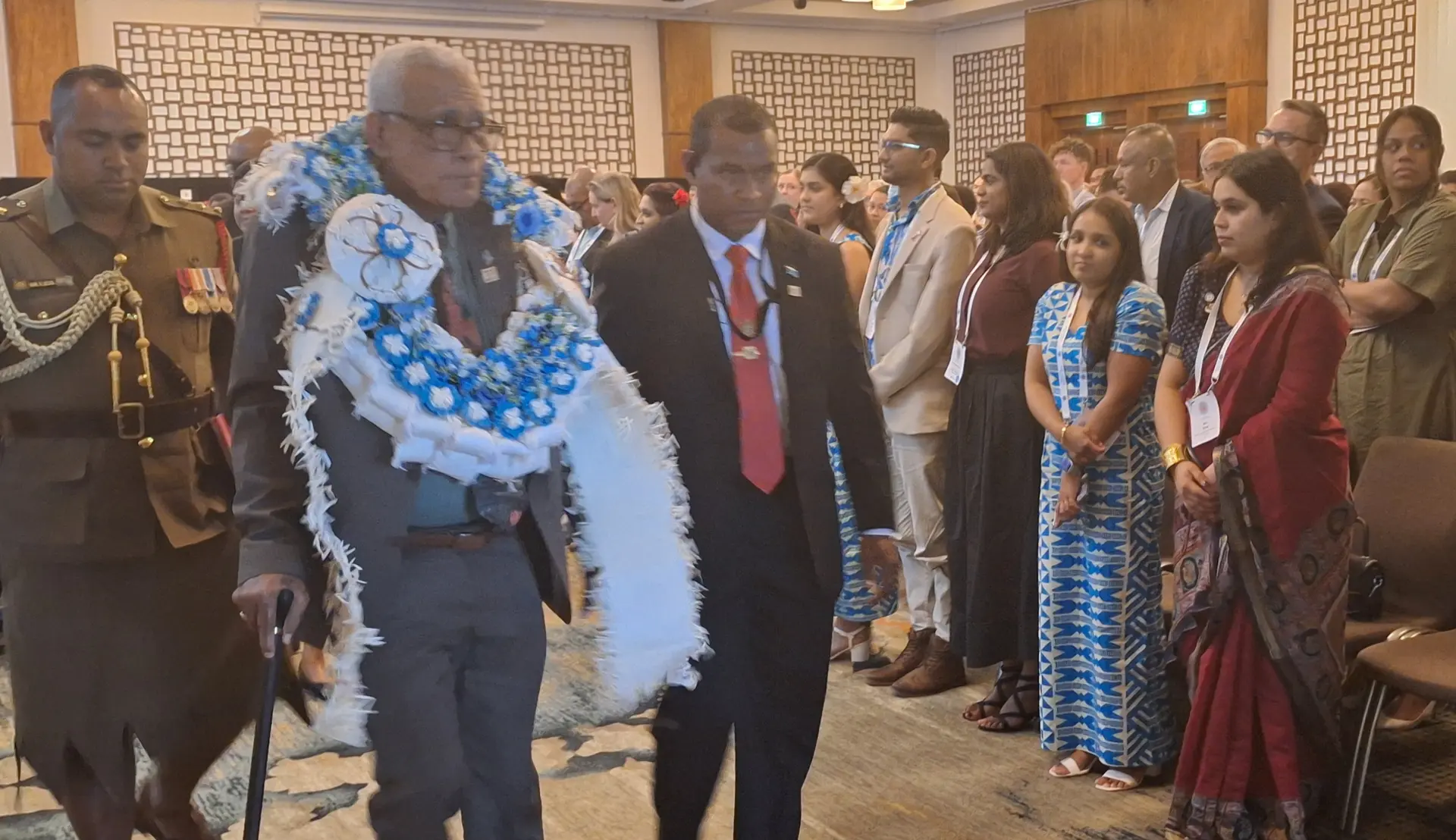
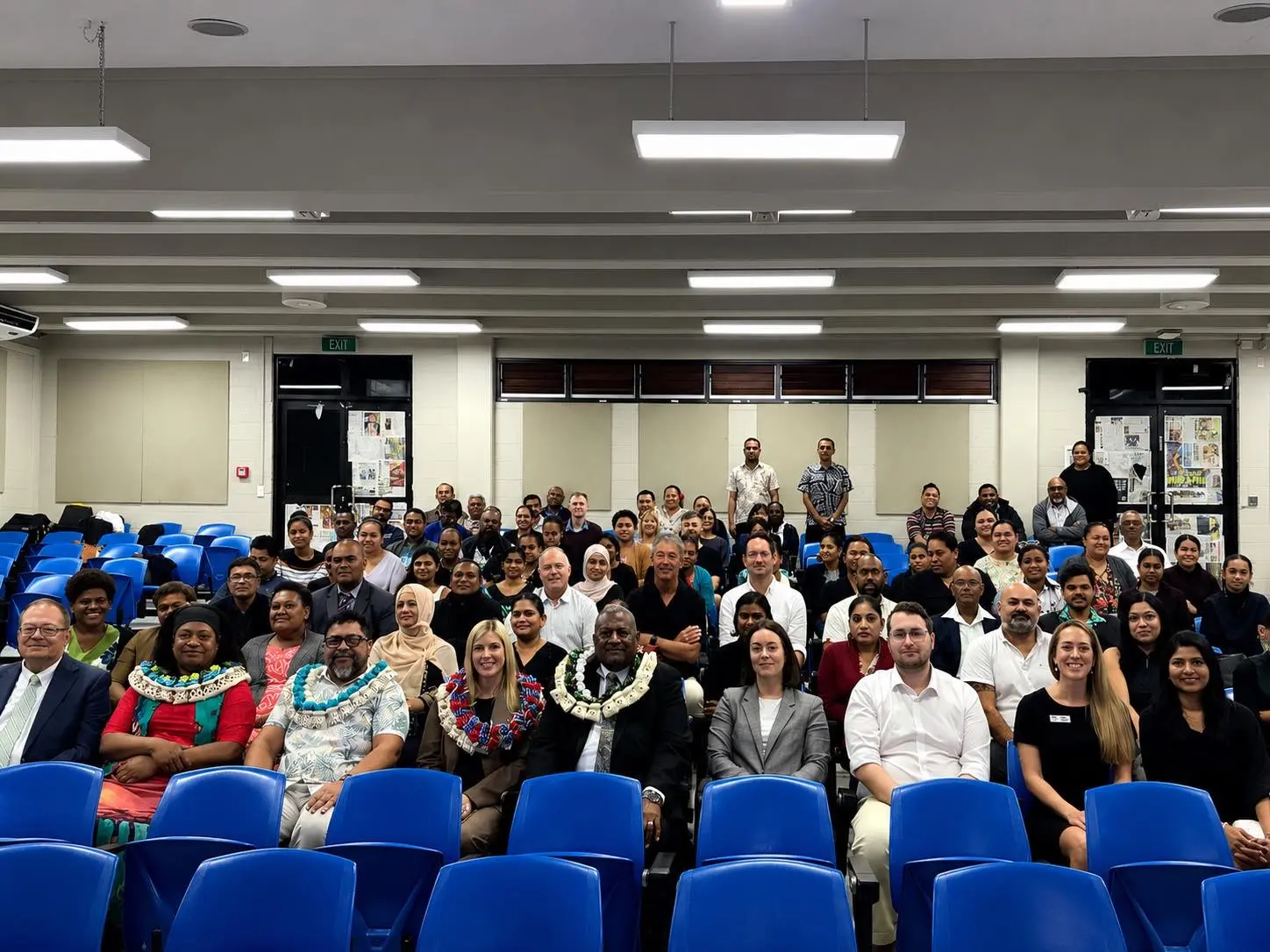
Unity Fiji Party leader Savenaca Narube during the Dialogue Fiji’s Multi-Stakeholder Dialogue on Electoral Reform on June 9, 2025.
Unity Fiji Party leader Savenaca Narube has slammed Government’s approach to electoral reforms, describing it as “extremely risky” with little time before the 2026 General Election.
Speaking at Dialogue Fiji’s Multi-Stakeholder Dialogue on Electoral Reform at Holiday Inn, Siva, yesterday, Mr Narube questioned Government’s urgency after years of inaction.
“After basically over two years of doing nothing, we now have a flurry of activities. What was happening in the past two years?” Mr Narube said.
Related stories
“This is a very risky approach. It’s extremely risky to be pushing a broad-based agenda with so little time.”
He said political agendas were finding their way into the electoral reform agenda and warned about the uncertainty this created for voters just a year away from elections.
“When you create that uncertainty, you undermine the confidence into the electoral system,” Mr Narube said.
He criticised the need for a second round of consultations, questioning why the first round did not do a good job.
Mr Narube said the “elephant in the room” was the 2013 Constitution, which needed to be addressed first before any electoral reforms could be implemented.
“The Constitution is mixed in with the electoral system. To change the electoral system, you have to change the Constitution. So which one should come first?” he said.
He proposed Unity Fiji’s “Plan B” - assuming the 2013 Constitution would survive until the next election and prioritising specific reforms like removing the single national electoral roll and improving proportionality.
The Unity Fiji leader also raised concerns about party funding inequalities, claiming that parliamentary parties receive $325,000 annually while non-parliamentary parties get nothing.
“Does that create an even playground before an election? I don’t think so,” Mr Narube said.
Feedback: kaneta.naimatau@fijisun.com.fj