NFA moves beyond response to crack down on preventable fires
The NFA is reviewing the National Building Code to align it with modern fire safety standards and global best practices.
Monday 04 May 2026 | 08:00
Updated 04 May 2026 | 13:01 FJT

The National Fire Authority (NFA) is repositioning itself from an emergency response agency to a national regulator, tightening building, electrical, and fire safety standards to reduce preventable fires—particularly electrical fires, which account for 44 per cent of incidents.
The NFA is reviewing the National Building Code to align it with modern fire safety standards and global best practices, while developing new policies and regulations to strengthen enforcement and close compliance gaps.
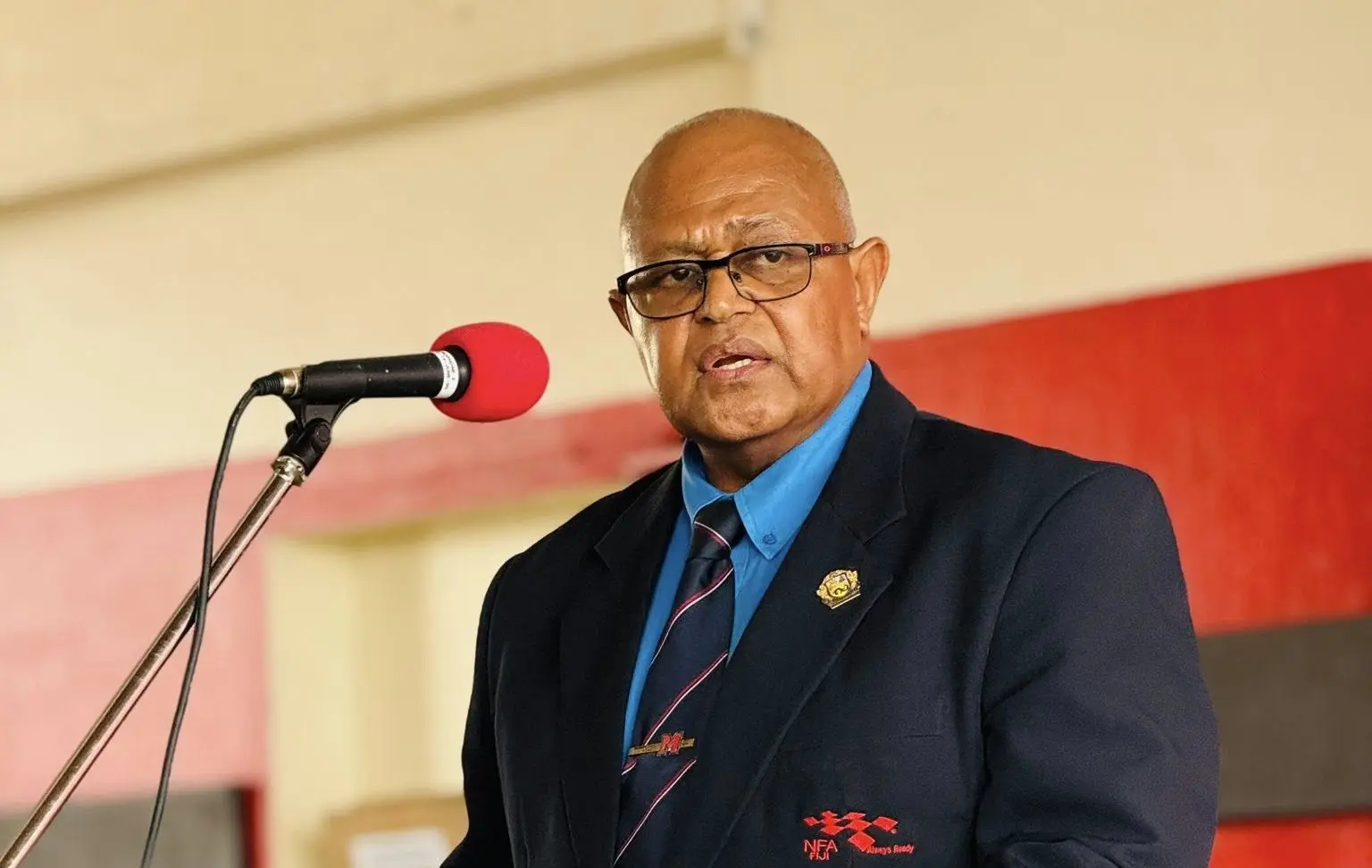
“NFA is not just a response agency; we are a regulator, an enabler, and a strategic partner in national safety,” said chief executive officer Puamau Sowane.
Related stories
He said one of the authority’s top priorities is to improve fire safety compliance nationwide.
A major initiative is the introduction of regulations for the registration and certification of fire agents to ensure only qualified professionals design, install, and maintain fire safety systems.
“Compliance is not just about rules; it is about building a culture of safety across all sectors,” Mr Sowane said.
The authority has also set a national target to reduce structural fires by five per cent annually through stronger inspections, enforcement, data analysis, public awareness, and collaboration with stakeholders, including Occupational Health and Safety (OHS) and industry partners.
Despite these efforts, NFA data shows electrical fires remain the leading cause of incidents, accounting for about 44 per cent of cases, mostly in homes.
Mr Sowane said poor workmanship and non-compliance with the AS/NZS 3000:2018 Wiring Rules, along with breaches of the Electricity Act and OHS Act, were key contributors.
The authority has strengthened National Building Code requirements to ensure all electrical design, installation, and certification work is carried out by licensed professionals registered with Energy Fiji Limited (EFL).
“This is in accordance with statutory safety and competency requirements,” he said.
Mr Sowane said stronger alignment with OHS was critical because duty holders are legally required to maintain safe workplaces, while electricity laws impose clear obligations on competent electrical work.
He said coordinated enforcement, joint inspections, and compliance monitoring between agencies would improve detection of breaches, increase accountability, and reduce systemic risks.
“We are confident that this integrated regulatory approach will progressively reduce electrical fire incidents and significantly improve safety outcomes across Fiji’s residential, commercial, and industrial sectors,” he said.
The NFA is also moving to regulate imported fire safety equipment and construction materials by introducing supplementary standards to the National Building Code.
Mr Sowane said this would help ensure all imported products meet minimum safety requirements and reduce risks.
Feedback: waisean@fijisun.com.fj