Noise pollution needs law: health body
Mr Sadranu told the Standing Committee on Friday that the absence of noise from the bill was leaving environmental health practitioners unable to enforce or prosecute offenders.
Saturday 06 June 2026 | 12:00

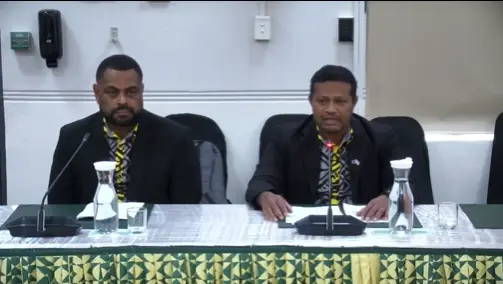
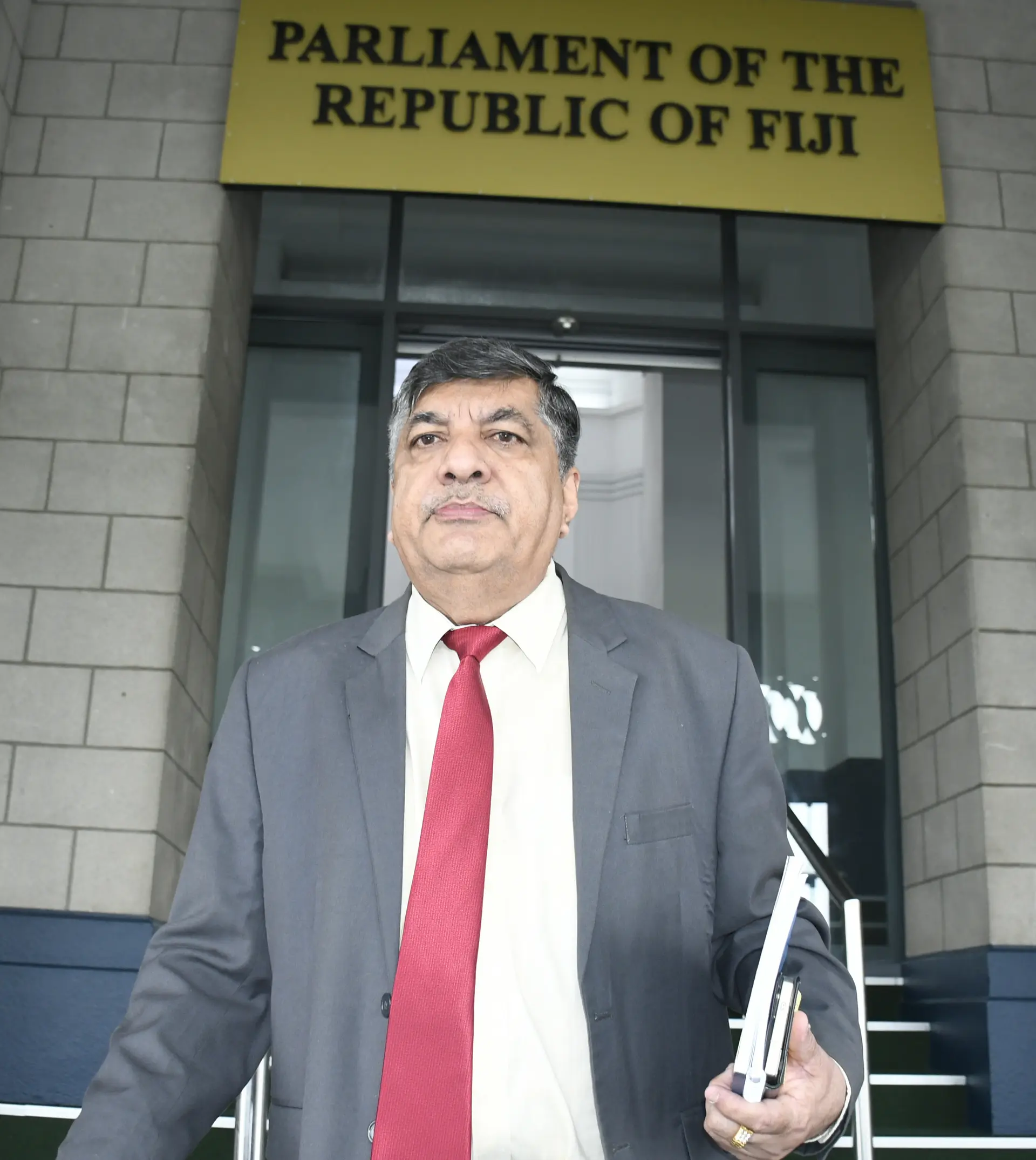
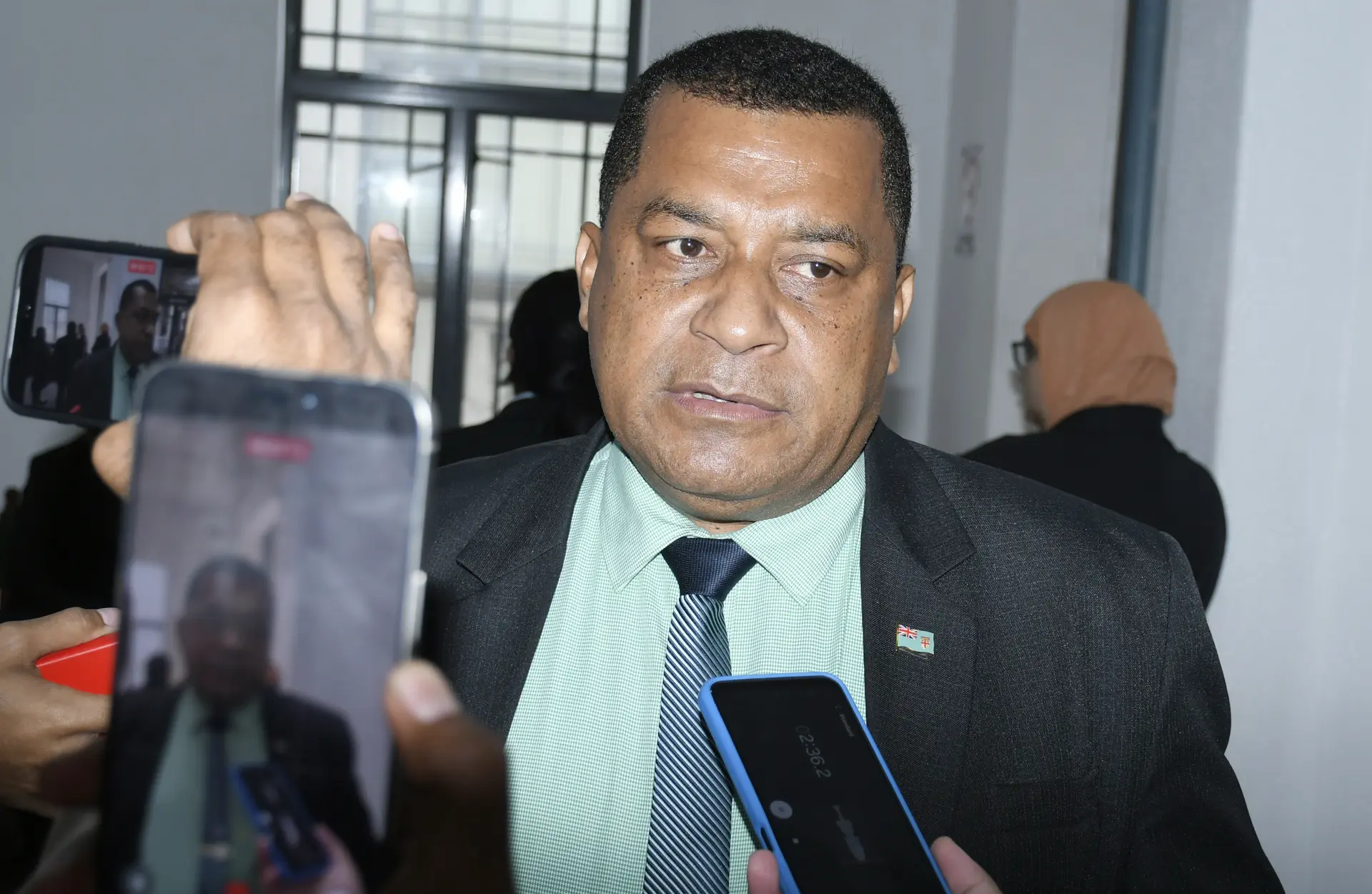
From left: Representatives from the Fiji Institute of Environmental Health - President Josefa Tabua and General Secretary Onisimo Sadranu.
The Fiji Institute of Environmental Health has called on Parliament to explicitly include noise pollution in the Public Health Amendment Bill, saying officers currently have no clear legal basis to act on one of the most common complaints they receive from the public.
General Secretary Onisimo Sadranu told the Standing Committee on Social Affairs on Friday that the absence of noise from the bill was leaving environmental health practitioners unable to enforce or prosecute offenders.
"We have increasingly gotten complaints through our health officers of noise pollution and we request that the committee considers it in the bill," Mr Sadranu said.
Related stories
National WASH (Water, Sanitation and Hygiene) Coordinator Toga Vosataki confirmed that noise is not currently monitored or regulated, but said including it in the bill would allow standards to be set – covering everything from nightclubs and open-air church services to supermarket loudspeakers.
"If that is included, then that can be enforced accordingly," he said.
The institute, which represents about 200 environmental health practitioners across government, military, academia, and civil society, appeared before the committee and gave its full support to the bill while making several other recommendations:
- Environmental health practitioners should only be appointed if they hold qualifications and a current practicing licence under the Allied Health Practitioners Act;
- A vector analyst – who collects samples across Fiji's 21 subdivisions and 13 municipal councils – should be formally appointed under the Act, as their analysis certificates are used in court;
- Practitioners trained in prosecution should be registered through the Central Board of Health and formally appointed by the Director of Public Prosecutions;
- Health impact assessments should be explicitly included in the Act, requiring review of development projects, housing schemes and industrial activities for public health risks;
- Substandard rental housing, cane-cutting camps and boarding houses should be regulated under minimum public health standards.