Non-communicable diseases (NCDs) screening alone is not enough: Dr Latu
Data sharing vital to NCDs referral
Thursday 04 September 2025 | 15:30
Updated 17 September 2025 | 16:44 FJT

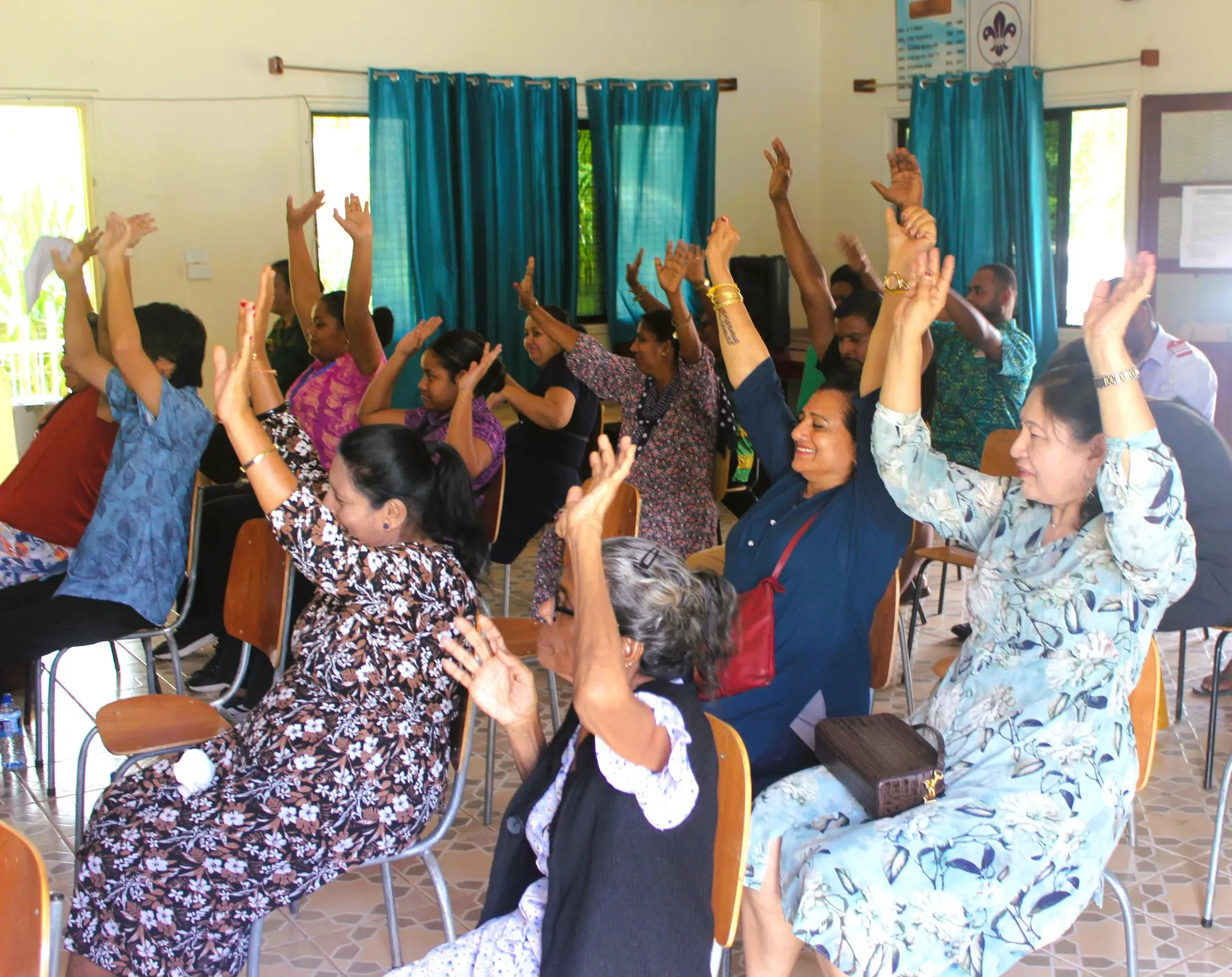
Attendees during the launch of the JP Bayly Trust Non-communicable diseases (NCDs) screening project at Labasa Scouts Hall on September 3, 2025.
Sampras Anand
Non-communicable diseases (NCDs) screening alone is not enough — action must be taken to mitigate the results.
This was the key message from JP Bayly Trust trustee, Dr Rufina Latu, during the launch of the Trust’s NCD screening program at the Labasa Scouts Hall yesterday.
Dr Latu said the Trust provides a range of services including free screenings for diabetes and high blood pressure, as well as health education and counselling. The NGO also supports patient referrals for further assessment and treatment, working closely with the Ministry of Health through data sharing and collaboration.
Related stories
During the event, retired midwife Maopa Nainma, 65, asked whether home visitations by nurses for NCD screening would continue.
Macuata Subdivisional Medical Officer, Dr Omobolaji Amoo, assured that the service would continue. He said many people struggle to travel to Labasa Hospital, so mobilising health teams into communities helps maintain accurate records of NCD cases.
“Zone nurses are allocated specific areas to conduct NCD screening and provide vital data that helps us fight the spread,” Dr Amoo said. He also commended NGOs for their active role at the community level, screening individuals and referring cases to hospitals.
“Our health teams cannot be present everywhere, so having NGOs on board to help compile NCD data and referrals is a good collaboration,” he said.
Ms Nainma also sought advice from Empower Pacific on how counselling could assist people affected by NCDs.
Empower Pacific Labasa team leader and social worker, Ruci Sekitoga, said one-on-one counselling helps individuals understand their challenges, identify strengths and weaknesses, and find ways to better manage conditions such as diabetes.
“We also work with families to support individuals facing NCDs and address the issue together,” Ms Sekitoga said.