Northern communities eye solar power amid fears of rising electricity bills
Ms Raluna said communities needed to prepare for a possible increase in the cost of living should electricity bills rise.
Friday 27 November 2026 | 08:00

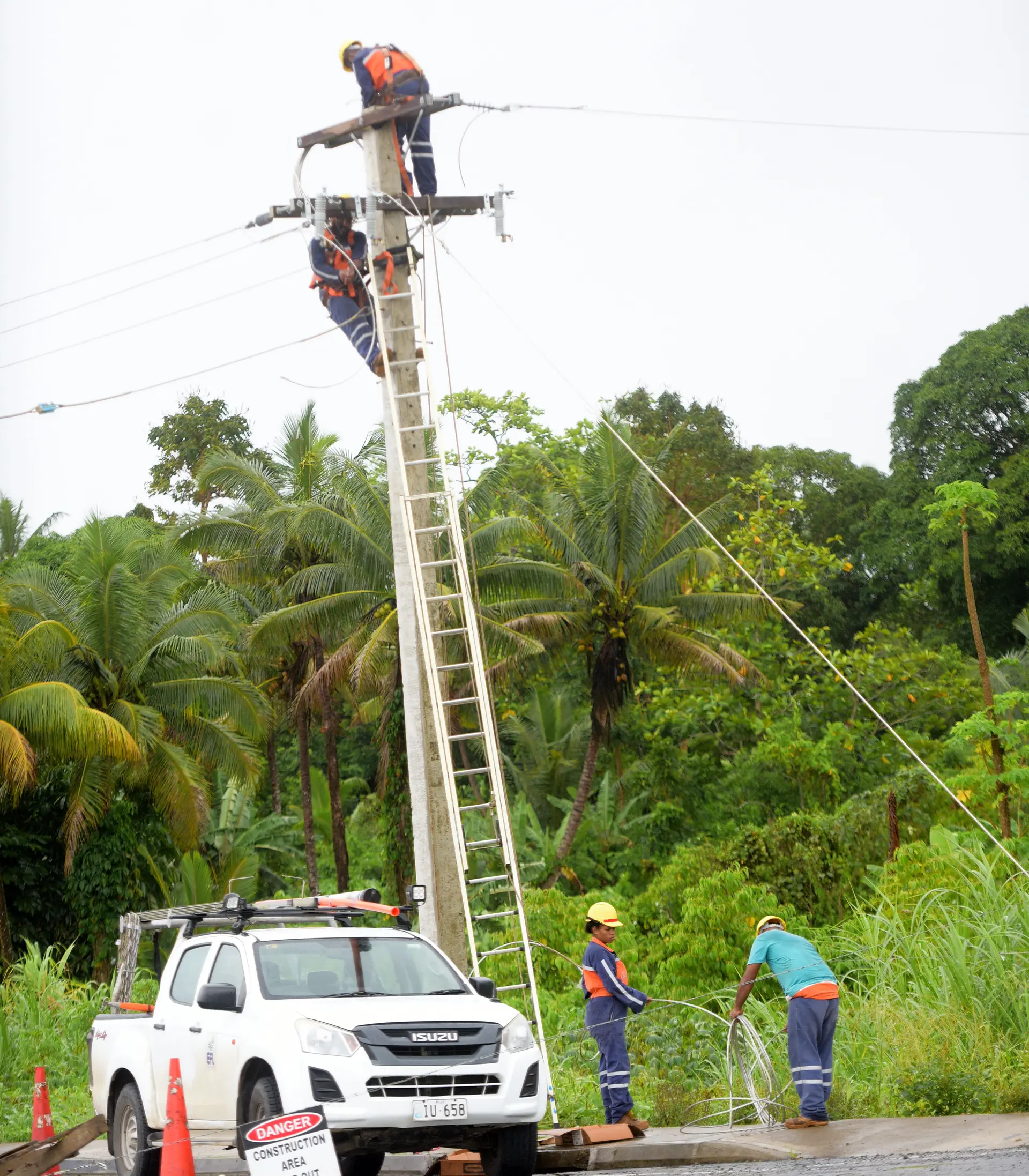
FCCC will now suspend the 1 January 2026 tariff authorization and allow for a 21-day consultation
Photo: Ronal Kumar
Rural communities in the Northern Division are exploring solar energy as an alternative to conventional electricity amid concerns over rising fuel costs and a possible increase in electricity bills.
With prolonged El Niño conditions affecting hydroelectricity generation, community leaders say investing in renewable energy could help ease the financial burden on rural households.
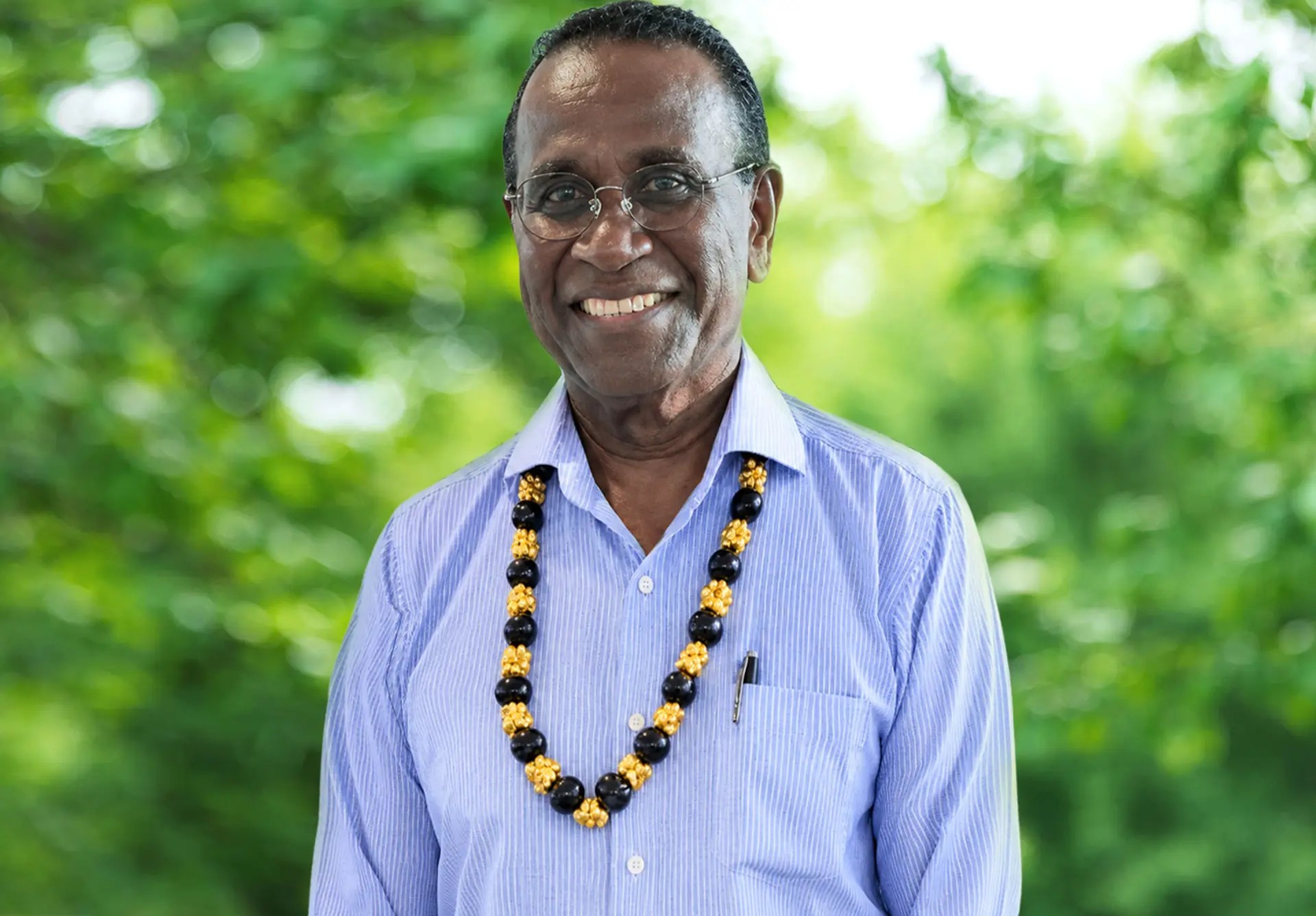
Nadogo district representative in Macuata and Vunivutu Village community leader Ranadiceve Raluna said communities such as hers would consider solar electrification if the situation worsened.
Related stories
Ms Raluna said communities needed to prepare for a possible increase in the cost of living should electricity bills rise.
Energy Fiji Limited (EFL) has submitted a request to the Fijian Competition and Consumer Commission (FCCC) for an increase in its fuel surcharge as prolonged dry conditions affect hydropower generation.
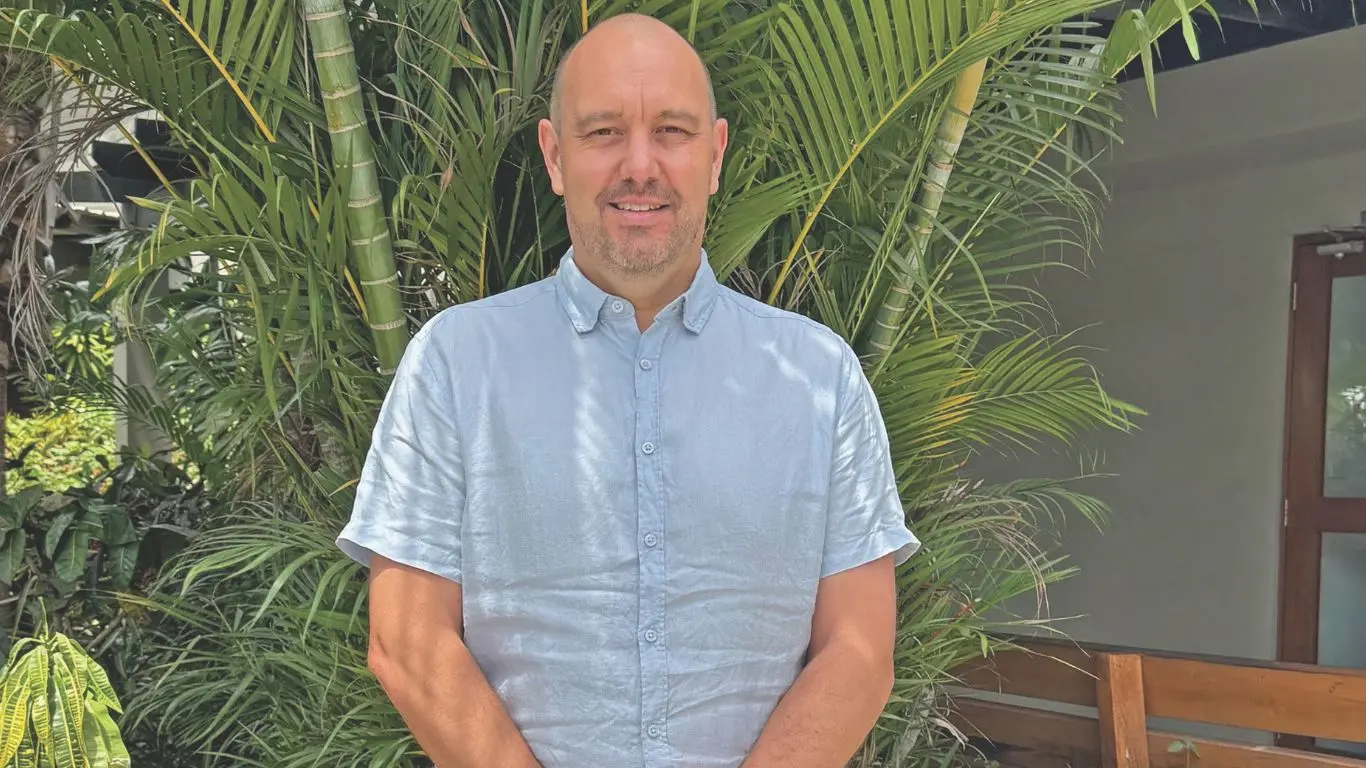
Nadi district representative in Bua Province Timoci Wainiqolo shared similar sentiments, saying communities needed to explore alternative energy sources.
Mr Wainiqolo said solar energy could help communities reduce electricity expenses as maintaining hydroelectricity generation became increasingly challenging.
"We should be prepared and my district is preparing towards the worst of El-Nino".
Rabi community embraces solar energy
Meanwhile, rising fuel expenses have prompted communities on Rabi Island to explore greater reliance on solar power.
Tabiang Methodist Church and community leader Tekata Toaisi said the community had prioritised solar electrification to reduce its dependence on fuel-powered generators.
The church community received a $4500 grant through the Ministry of Multi-Ethnic Affairs to secure a solar power system.
The system would enable the church, which has 80 members, to power its musical instruments.
"This was our first assistance and we want to apply for more solar initiative project assistances either from Government or Non-Government organisations (NGOs)," he reiterated.
Mr Toaisi said although villagers owned generators, their monthly fuel expenses outweighed their income or savings.
Uncertainty surrounding global fuel prices had further encouraged villagers to explore renewable energy alternatives.
He said the rising cost of operating generators was driving the community towards greater reliance on solar power.