New HIV infections in Fiji surge 12-fold in 15 years
UNAIDS estimates that about 9,100 people were living with HIV in Fiji last year, but only 22 per cent were receiving treatment.
Wednesday 25 November 2026 | 09:00

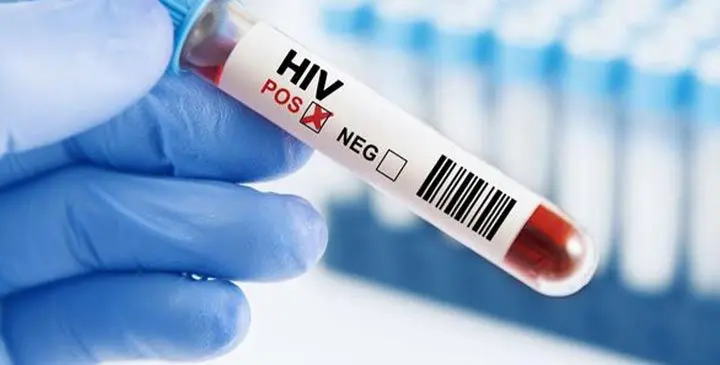
New HIV infections in Fiji increased 12-fold between 2010 and 2025, highlighting the growing public health challenge facing the country.
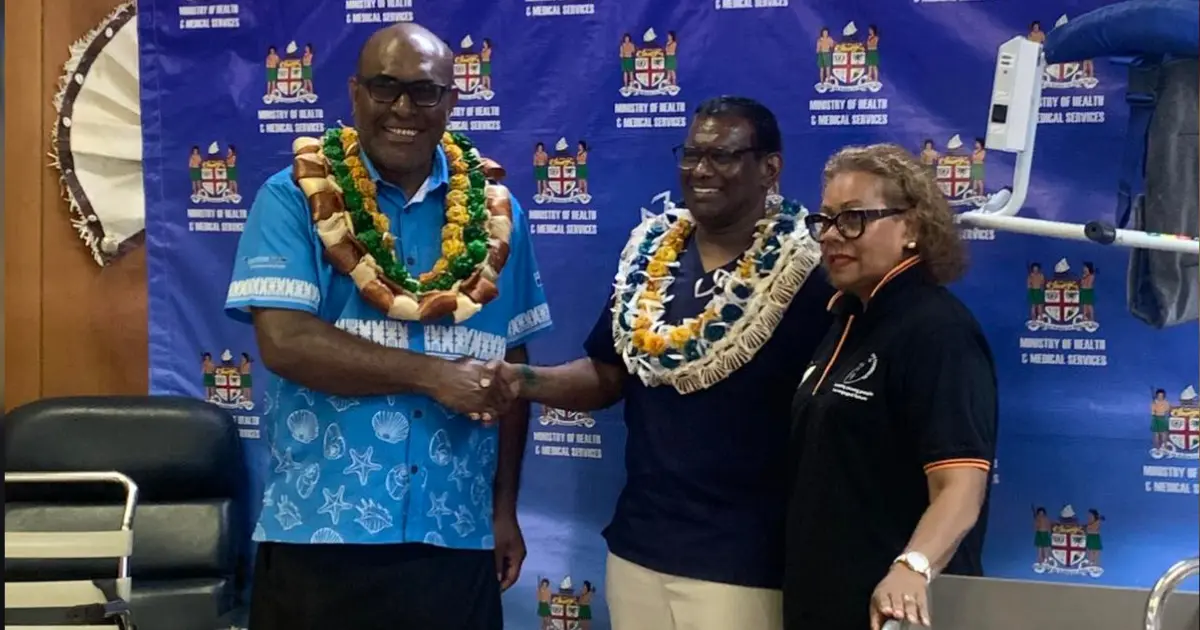
United Nations Resident Coordinator Dirk Wagener revealed the figures in Suva yesterday while opening the second HIV Media Training Series at Kadavu House.
The session was organised by the Joint United Nations Programme on HIV/AIDS (UNAIDS), the World Health Organisation and the Ministry of Health and Medical Services.
Related stories
“Injecting drug use has become an accelerator unfortunately of new infections alongside of course sexual transmission,” Mr Wagener said.
He said the declaration of HIV as a national emergency in September reflected the seriousness of the situation.
UNAIDS estimates that about 9,100 people were living with HIV in Fiji last year, but only 22 per cent were receiving treatment.
Treatment is free and available to anyone who needs it.
“Anyone who wants to access those drugs can actually access them,” he said.
However, he acknowledged that fear of stigma and rejection by families and communities prevented some people from seeking treatment.
He said needle and syringe programmes were important public health interventions that helped reduce HIV and hepatitis transmission by providing access to sterile equipment and safe disposal.
Mr Wagener also urged journalists to use responsible language when reporting on HIV, warning that stigmatising labels could discourage people from accessing health services.
“Stigmatising labels can discourage people from seeking HIV testing, sterile equipment, treatment and other health services,” he said.
He encouraged journalists to maintain scrutiny and hold authorities accountable.
“You should ask questions, you should test information and seek accountability,” he said.
Ministry of Health representative Dr Darshika Balak said people receiving treatment who achieved an undetectable viral load could not transmit HIV through sexual contact.
“There is zero risk of transmission to your sexual partners if you are undetectable,” she said.
The ministry’s MLO, Mela Katonivualiku, stressed the importance of media involvement in raising public awareness.
“We need the media as a public health tool,” she said.