Number Of Fijians Falling For Online Scams Up
He said the three prevalent scams in Fiji were romance scam, loan or investment scam and multi-level marketing or the illegal pyramid selling scheme. He added that 60 per cent or 80 people were victims of the romance scam.
Wednesday 16 March 2022 | 09:54

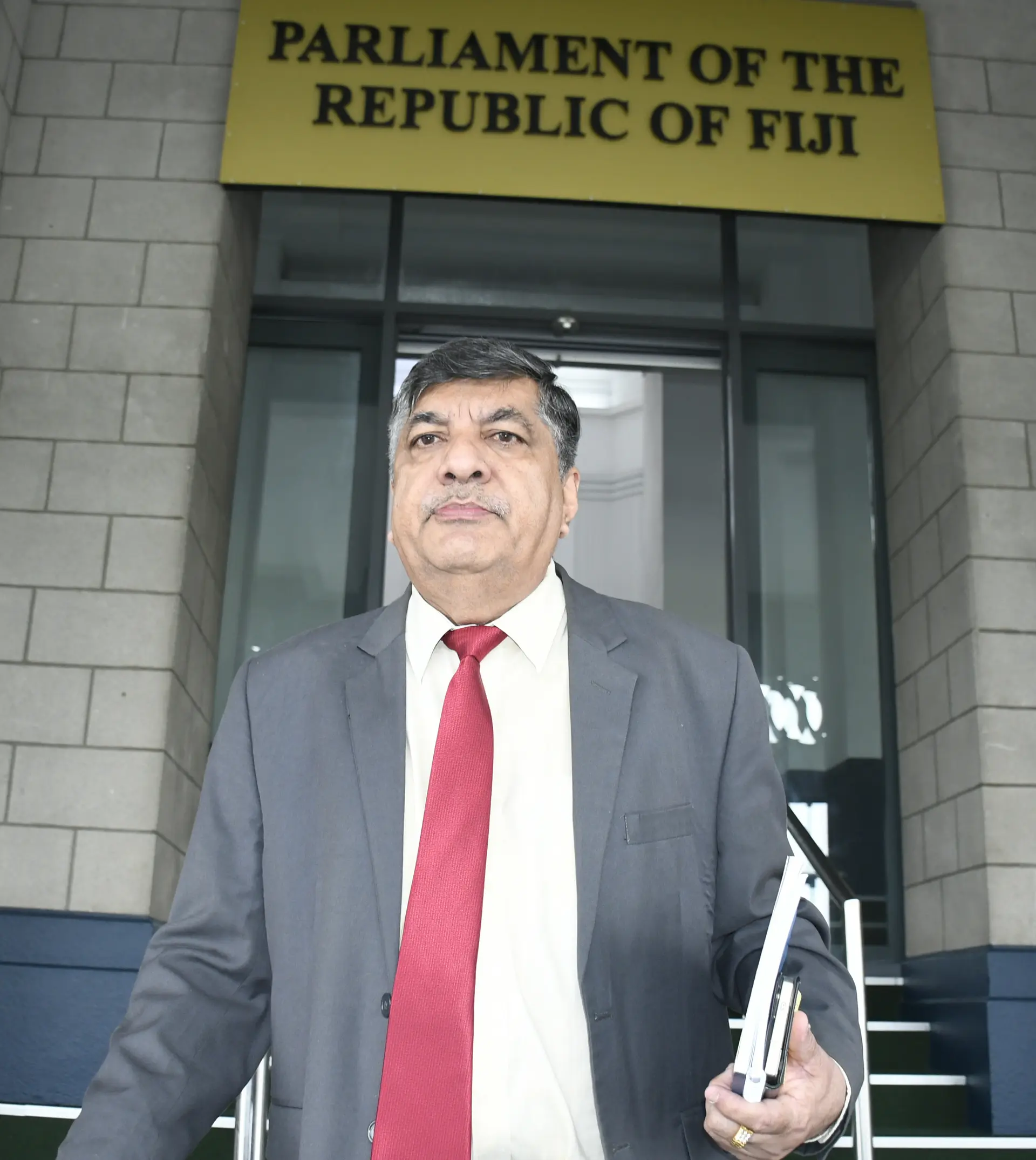
The Fiji Intelligence Unit (FIU) has noted an increase in Fijians falling for online scam activity within the last 24 months.
While speaking at a panel discussion for World Consumer Rights Day 2022, FIU director Razim Buksh revealed that 132 reports of online scam activity were reported within the lockdown period in the last 24 months.
Mr Buksh said the scams reported in Fiji included investment scam, loan scam, lottery scam, inheritance scam, pyramid scam, shopping scam, business scam, romance scam, scholarship scam, immigration scam, employment scam, blessings or prayer scam and the crypto currency scam.
Related stories
He said the three prevalent scams in Fiji were romance scam, loan or investment scam and multi-level marketing or the illegal pyramid selling scheme. He added that 60 per cent or 80 people were victims of the romance scam.
“All of these individuals had lost some amount of money to cybercriminals,” he said.
“The most common element seen in romance scam is the existence of some form of social engineering where the fraudsters identify ways to gain the trust of the victims so they could ultimately send them money.
“The romance part is that in return of the money sent to them the promise to send you in a package some jewelry, cash, electronics and clothing items which will not eventuate.
“So once they build the trust then they ask you for some money.”
He added that in the loan and investment scam, foreigners pretending to be millionaires would approach businesses with proposals exceeding millions of dollars.
They then sought a few hundred dollars for the releasing of some cash to the victims.
“So if 10 people send $200 to the business, they receive $2000 and the victims do not get anything.”
He said there were cases as well on business email compromise.
“This is where you receive an email in your inbox almost similar to a supplier’s email, but it is not and they will ask you to divert funds.
“In the last six to seven years, we have received 32 cases where businesses have fallen victim to business email compromise amounting to $6.2million.”
Mr Buksh had also warned against lottery scams which were more common in social media site messaging.
“I know you would have received in your Facebook account or viber message or other social media apps that you have won the lottery.
“Please don’t play the lottery, don’t send any money to where the email or messages are coming from.
“If you haven’t played any lottery, how can you win any lottery? Do exercise caution.”
Crypto currency prohibited
He had also made it clear that investing in crypto currency was prohibited in Fiji under the Exchange Control Act.
“Should you insist on investing in a crypto currency, you need to go to the Reserve Bank under the exchange control act and ask for permission to invest, but currently that is suspended. It is illegal.”
He added that the digital space was quite dangerous if not handled with caution.
“While we have all these opportunities to explore and visit the World Wide Web and establish social networks and get connected to anyone anywhere, criminals also have the same opportunity.
“They use the same digital space, no different.
“Once the criminal that you may know or you may not know gains your trust, that’s where the games begin.”
He added that as their first level of defense they had issued a directive to foreign exchange dealers to stop money transfers by people who could not establish a relationship with the receiver.
“The foreign exchange dealer, under the FIU directive, cannot send any money if a relationship is not established,” he said.
“If you go to a foreign exchange dealer, you would be asked what your relationship with the receiver is. If the foreign exchange suspects it as a scam, they will not make that transaction, that’s the first level of our defence.”