Over 3k diagnosed since 1989
Dr Balak stressed that Fiji’s current HIV treatment coverage stands at just 35 per cent, far below the global target of 95 per cent.
Wednesday 28 May 2025 | 15:34
Updated 08 August 2025 | 15:40 FJT
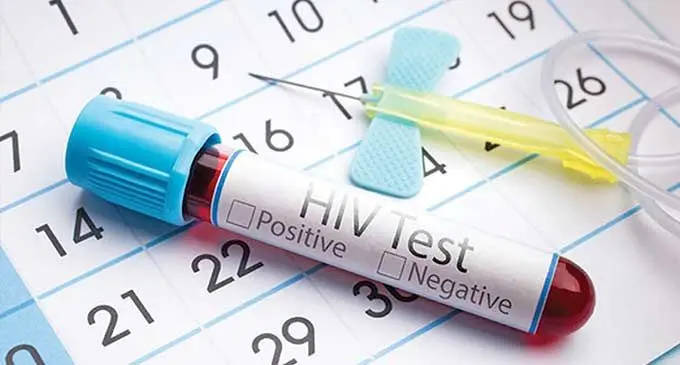
In more than 56 years, Fiji has recorded a little over 3000 HIV cases.
Health officials are warning that half of those diagnosed are not enrolled in treatment or care, exposing systemic gaps in the national HIV response.
Dr Darshika Balak, Medical Officer in Charge at the Sexual Reproductive Hub in Suva, revealed that the HIV epidemic began accelerating during the COVID-19 period, when the number of new diagnoses started rising sharply.
Related stories
“We have diagnosed over a little bit over 3000 cases since 1989,” Dr Balak said.
“We should have started sounding the alarm during COVID period. That’s when we actually started having the numbers rising up, about 100 cases,” she said.
Looking specifically at 2023, Dr Balak noted that of the 1093 new HIV cases diagnosed last year, 50 per cent had not been enrolled into care.
“They have been diagnosed somewhere, there may or may not know their status, they may or may not have been referred, but they have not come to the clinic to start treatment,” she explained.
“What we have seen is that once they are enrolled into care, more than 90 per cent of them are on treatment. So, it is very important for these patients to be enrolled into care because then they get access to treatment.”
Dr Balak stressed that Fiji’s current HIV treatment coverage stands at just 35 per cent, far below the global target of 95 per cent.
“We need 95 per cent of people to be treated. This is because people are not showing up to be treated once diagnosed and they are lost to follow up.”
She also pointed out critical delays in the treatment process.
“Upon diagnosis the patient should be put on treatment in 24 hours or at least a week. Here we have delays from two weeks to four weeks and we lose patients in the process.”
Appeal
Dr Balak called for urgent, tailored interventions for vulnerable groups, particularly adolescents, who require different strategies than adults.
“We needed targeted intervention for adolescence, young boys and girls. What has been an intervention for adults will not work for adolescence,” she said.
“There needs to be a different intervention for different age groups and it needs to be done as soon as possible.”
“We need interventions for target people, inject drug users, transgender, sex workers, heterosexual and homosexuals.”
Feedback: inoke.rabonu@fijisun.com.fj