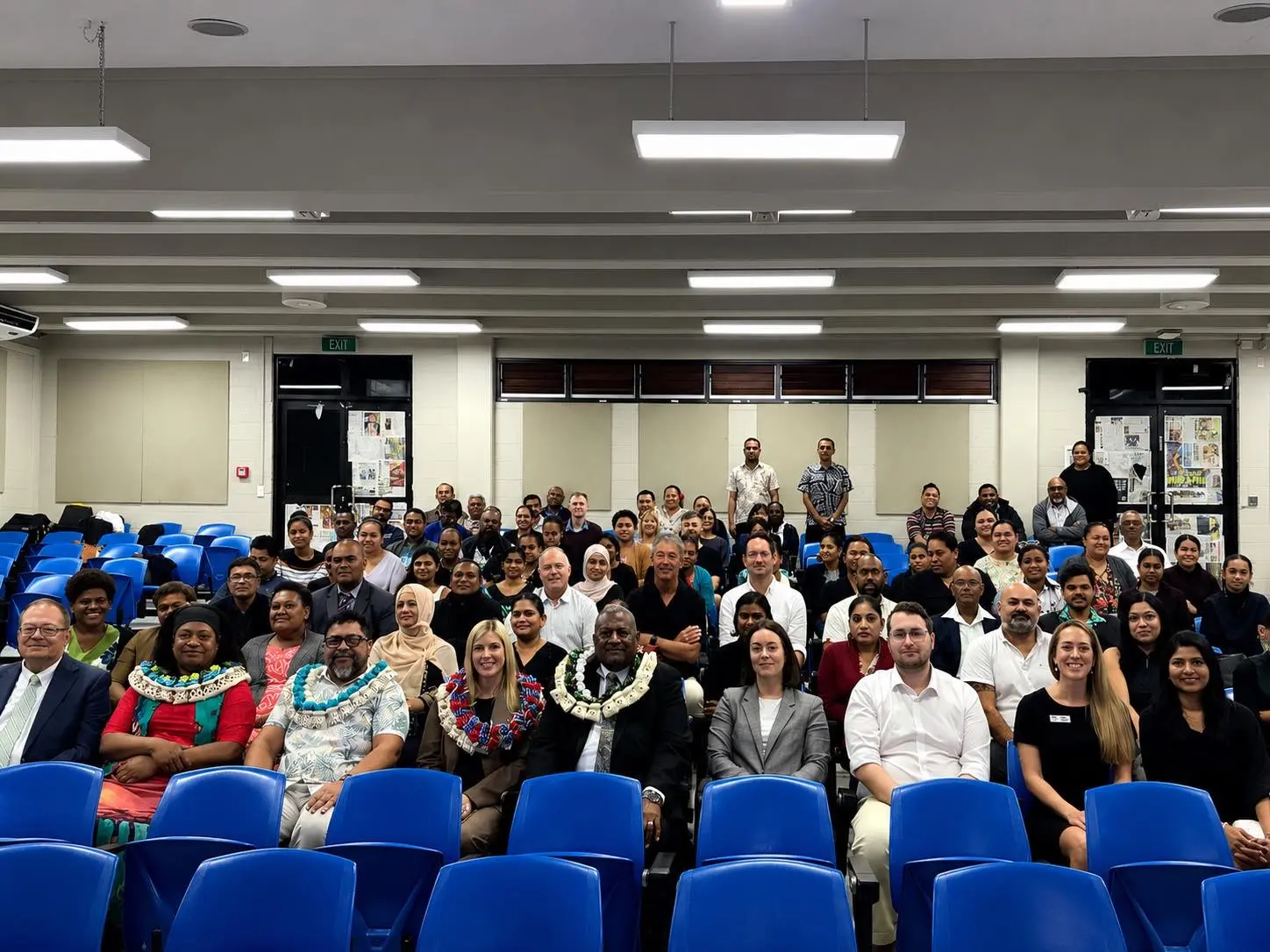
PM Rabuka calls economic forum one sided
Dialogue Fiji rejects claims of bias, saying the forum included Government, opposition and development partners.
Tuesday 16 June 2026 | 08:30
Updated 17 June 2026 | 13:23 FJT

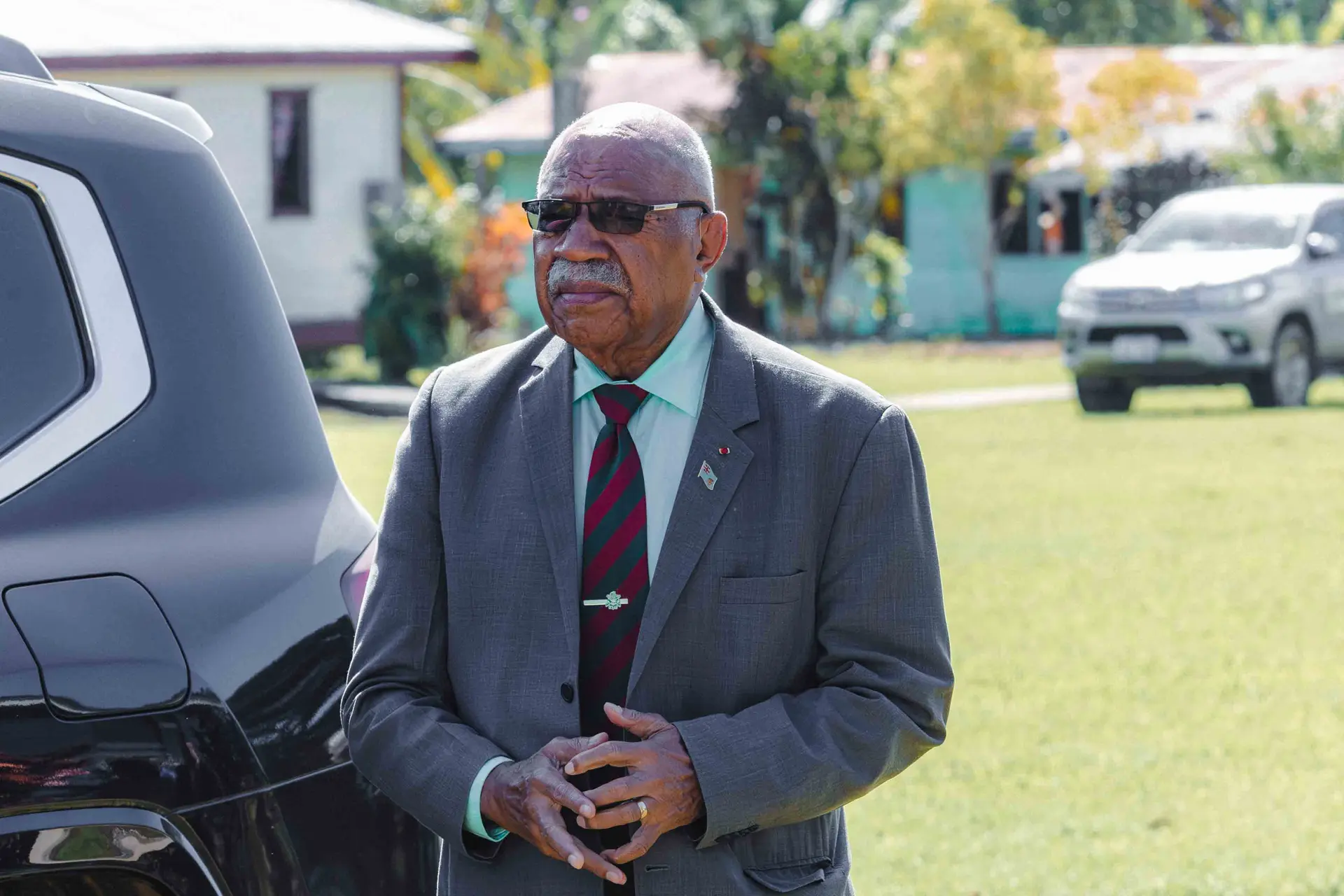
Prime Minister Sitiveni Rabuka at the opening of the Cakaudrove Provincial council meeting at Korotasere, Vaturova, on June 3, 2026.
Photo: Talei Roko
The Government has labelled last week's State of the Fijian Economy Dialogue, organised by Dialogue Fiji, a "monologue".
Prime Minister Sitiveni Rabuka described the event as a "one-sided discussion", reinforcing comments made by the Tui Nayau, Ratu Tevita Uluilakeba Mara, who characterised the dialogue as a hollow exercise in political posturing.
Minister for Public Works and Transport Ro Filipe Tuisawau also criticised the event, posting on Facebook: "State of Economy Dialogue Predictably Degenerated into Anti Govt Monologue of Fiji 1st and Others!!!!"
Related stories
While many participants viewed the dialogue as a platform for stakeholders, economists and politicians to openly discuss economic issues and answer public questions, others saw it as an attempt to discredit the Government.
In a statement released yesterday, Ratu Tevita offered a critical assessment of the dialogue, arguing that it failed to provide practical solutions to pressing national issues such as drug abuse, deteriorating infrastructure and rising health concerns, including HIV.
He also criticised the inclusion of former Attorney-General and Minister for Finance Aiyaz Sayed-Khaiyum, saying the choice of panellists undermined the event's credibility.
“This is the very hand that built the mess we are still digging ourselves out of: a flawed constitution forced upon the people against their will; the deliberate dismantling of our indigenous Fijian institutions, the Great Council of Chiefs chief among them; and an economy so badly mismanaged that it has left this country buried under a debt of more than $10 billion — a debt now carried by every Fijian, and by our children and theirs.”
Ratu Tevita also said there was a lack of community representation, claiming ordinary citizens and religious leaders were excluded in favour of Government elites.
Dialogue Fiji response
Dialogue Fiji executive director Nilesh Lal said it was disappointing to see the Government criticise a civil society-led dialogue.
Mr Lal defended the organisation's role as an impartial facilitator of public discourse against accusations of bias.
He said members of the current Government had used Dialogue Fiji as a platform to express their views when they were in Opposition and argued that the State of the Fijian Economy Dialogue was balanced and inclusive.
“The forum brought together the Government, independent state institutions like the Reserve Bank of Fiji, International Monetary Fund, World Bank, Asian Development Bank, development partners, private sector, civil society, and opposition perspectives. This diverse assembly ensured the discourse was rigorous and multi-faceted,” he said.
Responding to Ratu Tevita's comments, Mr Lal said Dialogue Fiji used an inclusive and transparent selection process.
Mr Lal said the inclusion of Mr Sayed-Khaiyum ensured robust debate and allowed policy decisions from previous administrations to be openly scrutinised.
“Excluding the chief architect of the previous administration’s economic policies would have resulted in an incomplete analysis,” he said.
“It would have affected the rigour of the deliberations. Accusations would have been made with no one to respond to them.
“To truly understand how Fiji arrived at an $11.4 billion public debt and to formulate sustainable ways forward, all major political and technical viewpoints must be at the table.
“True national dialogue cannot happen in silos or by silencing political adversaries.”
Mr Lal said that while social issues remained important, the two-day dialogue was specifically focused on examining the macroeconomic framework, fiscal sustainability and productivity constraints ahead of the 2026-2027 National Budget.
Mr Sayed-Khaiyum had not responded to questions by the time of publication.