Police alone can't win drug fight
Ms Vuniwaqa said strengthening existing systems with nationwide reach may be more effective than relying on a small, centralised National Narcotics Bureau.
Friday 12 June 2026 | 19:00
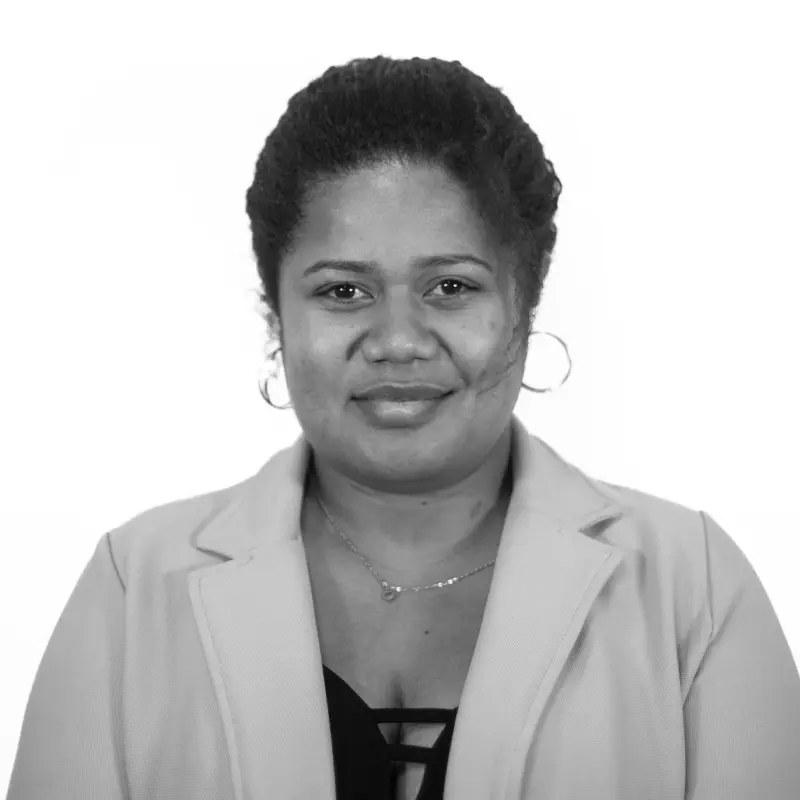
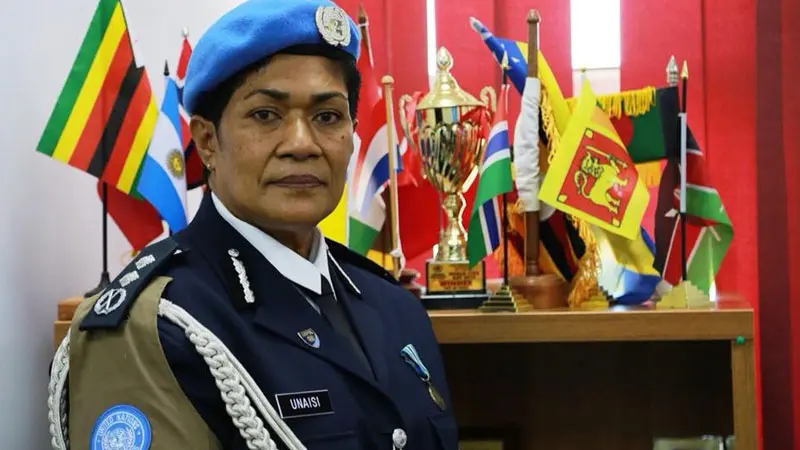
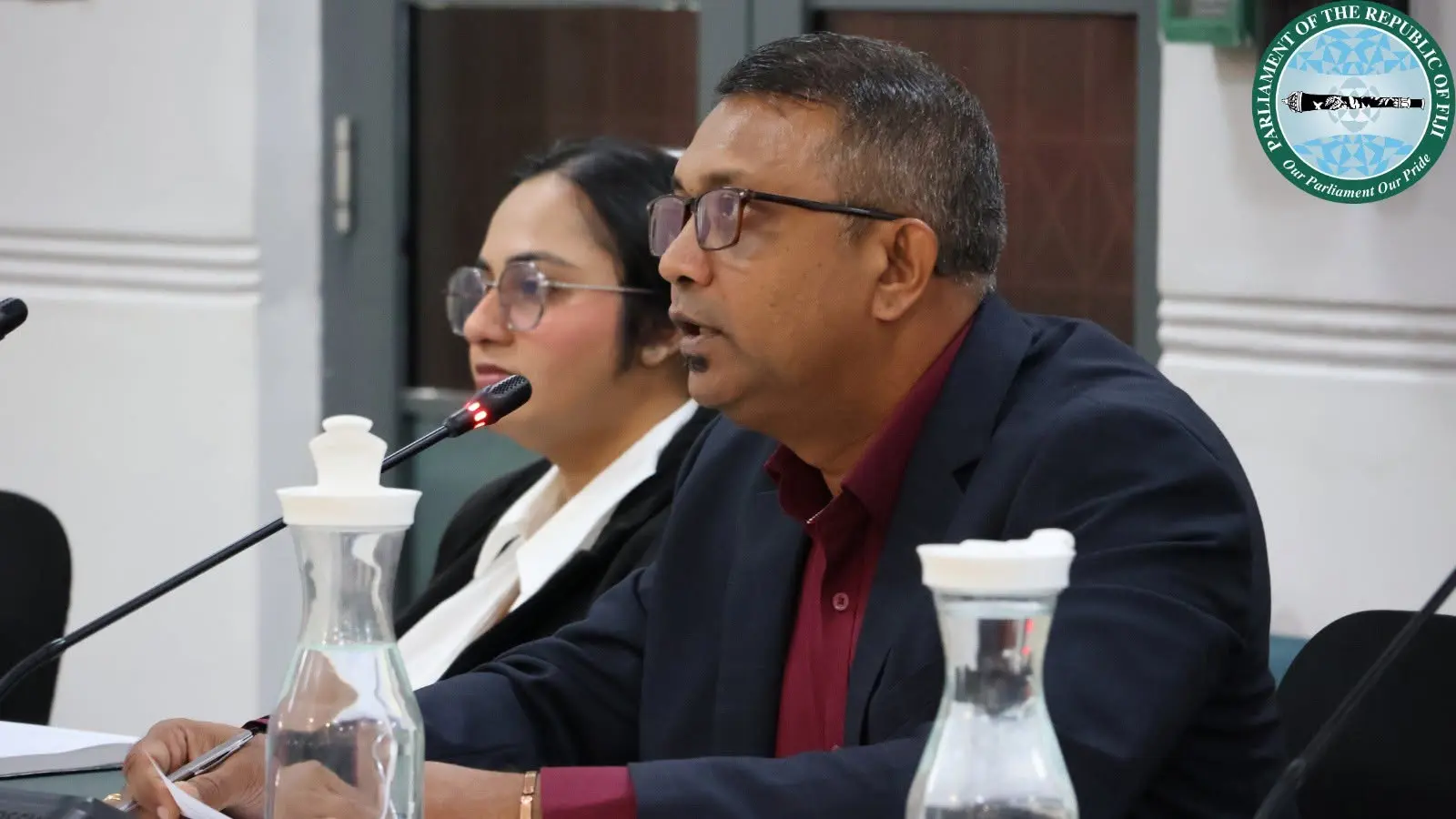
United Nations Secretary- General for Security and Safety, Unaisi Vuniwaqa.
Former Acting Assistant Police Commissioner, Unaisi Vuniwaqa has called for whole-of-government approach to Fiji’s drug crisis, warning that salary increases and stand-alone agencies will not be enough without coordinated action, stronger institutions and Police reform.
Ms Vuniwaqa currently the United Nations Secretary- General for Security and Safety said increasing Police salaries alone will not address Fiji’s growing drug problem, noting that other Government agencies while equally vulnerable play critical roles in combating the issue.
“The entire civil service is just as important, including Border Control, Immigration, Health and Judiciary,” Ms Vuniwaqa said.
Related stories
She called for the establishment of a national taskforce at ministerial level to bring together key stakeholders and ensure accountability across enforcement, health, judicial and prevention efforts.
Ms Vuniwaqa said strengthening existing systems with nationwide reach may be more effective than relying on a small, centralised National Narcotics Bureau.
“Unless it serves primarily as a coordinating body, it will be difficult for the bureau to shoulder the enormous responsibility and expectations on its own,” she said.
Joint Police-RFMF operations
Ms Vuniwaqa said any joint operation between the Fiji Police Force and the Republic of Fiji Military Forces (RFMF) should be guided by clear Standard Operating Procedures (SOPs) outlining command structures, responsibilities and accountability mechanisms. She stressed that Police must remain the lead law enforcement agency in a democratic society.
“Military support should only be deployed in exceptional circumstances where Police capabilities are overwhelmed and additional resources required,” she said.
“The decision to call in the military should rest with the civilian leadership of Government, based on recommendations from the Police Commissioner and the Commander of the RFMF.
“Once the situation is under control, policing responsibilities should immediately revert to the Police.”
Police reform
Ms Vuniwaqa said Police reform must remain a priority, with the focus extending beyond increasing officer numbers to ensuring personnel are adequately equipped, resourced and trained.
“Recruitment and promotion processes, as well as internal audit and professional standards systems, need to be strengthened,” she said.
“Training curricula should be more practical and address operational safeguards, reputational risks, investigations and prosecutions.
“Changing organisational culture and mindset will take time, but it is a step in the right direction.”
Explore more on these topics


Advertisement
Advertise with Fiji Sun