Young doctors face fatigue, uncertainty and delayed postings: FMA
Growing graduate numbers are straining training quality, hospital placements and employment pathways, association says.
Monday 08 June 2026 | 07:00
Updated 08 June 2026 | 08:46 FJT

Fiji's medical training system is producing increasing numbers of doctors, but concerns remain about the quality of training, career pathways and delays in postings for new graduates, according to the Fiji Medical Association (FMA).
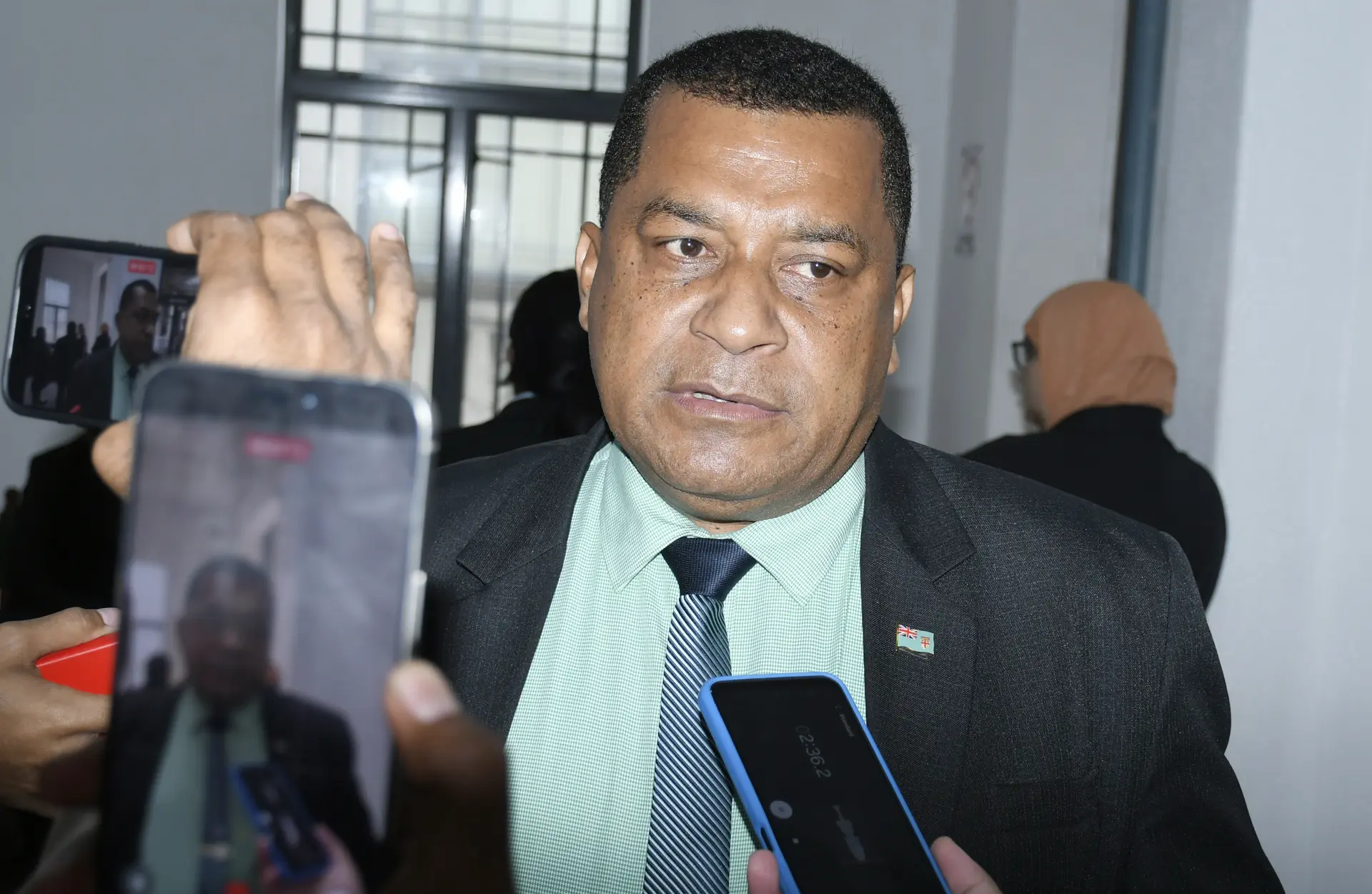
Speaking at a mini conference for doctors in the Northern Division at the Ramada Hotel in Labasa on Saturday, FMA acting president Ronal Kumar said young doctors were entering a profession they loved but were also facing significant challenges.
"Our young doctors in Fiji are entering a profession they love, but many are also entering it with uncertainty, fatigue, financial pressure, workforce shortages and concerns regarding training pathways and career progression," Mr Kumar said.
Related stories
He said improving healthcare in Fiji required greater attention to how future doctors were trained, supported and retained.
“If we are to strengthen healthcare in Fiji, we must also strengthen the environment in which our future doctors are trained, supported and retained,” Mr Kumar said.
“I call upon the Ministry of Health and Medical Services, Higher Education Commission and both the medical universities to look at how we run our medical school’s curriculum.”
Mr Kumar said medical schools placed insufficient emphasis on practical skills and knowledge development before students entered the workforce.
He said Fiji was now producing significantly more doctors than in previous years.
Moreover, he said mass production of doctors came at the cost of quality and poor-quality education for medical students.
“We have surpassed the 1:1000 doctor:patient ratio and cannot afford to keep on training massive number of doctors beyond our need,” he said.
“Let’s focus on responsible training of new doctors.”
Mr Kumar questioned whether medical degree programmes, while potentially generating significant revenue for universities, were being managed in an ethically responsible way.
He also questioned whether there were enough quality educators across the country's medical schools to focus on developing students' clinical skills and whether hospitals had sufficient placements to provide adequate exposure for medical students.
“Do we have enough spots for medical students to ensure adequate exposure in our hospitals?” he said.
Mr Kumar said the answer to those questions was no, yet medical schools continued to enrol between 80 and 100 students in a class.
He said one of the biggest challenges facing graduates was securing placements after completing their internships.
“The posting after internship poses the biggest hurdle for our new graduates,” he said.
“20 or so interns from batch of 2023 are awaiting posting, 204 new interns joined the queue as 2024 batch and after two and half year of internship are in limbo on what is going to happen.”
Mr Kumar said not enough had been done by the relevant ministries to address the issue.