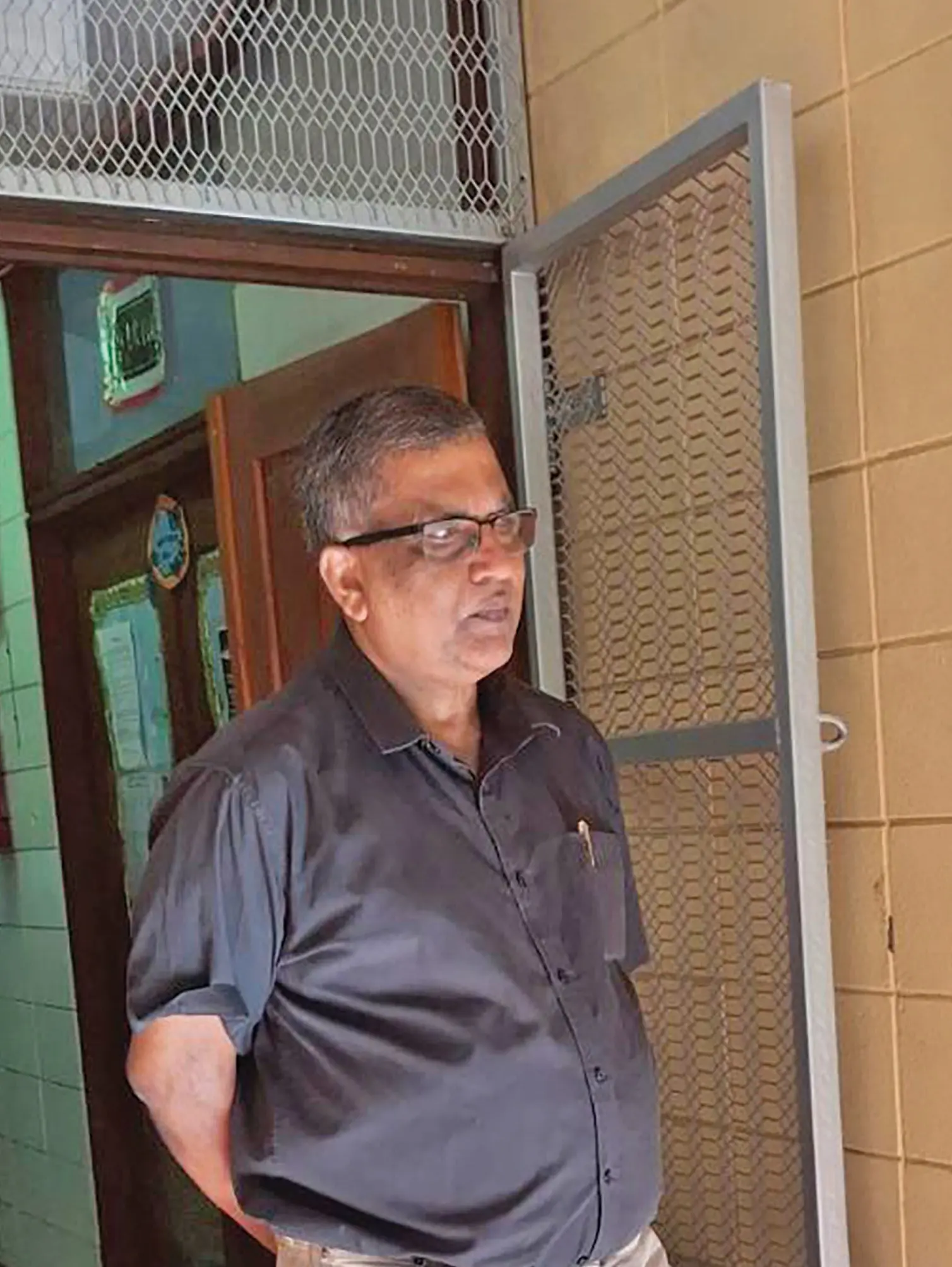
Privatising FSC is key to reviving sugar industry, says Maharaj
Mr Maharaj supported a collaborative approach involving growers, FSC and Government.
Sunday 19 July 2026 | 12:30

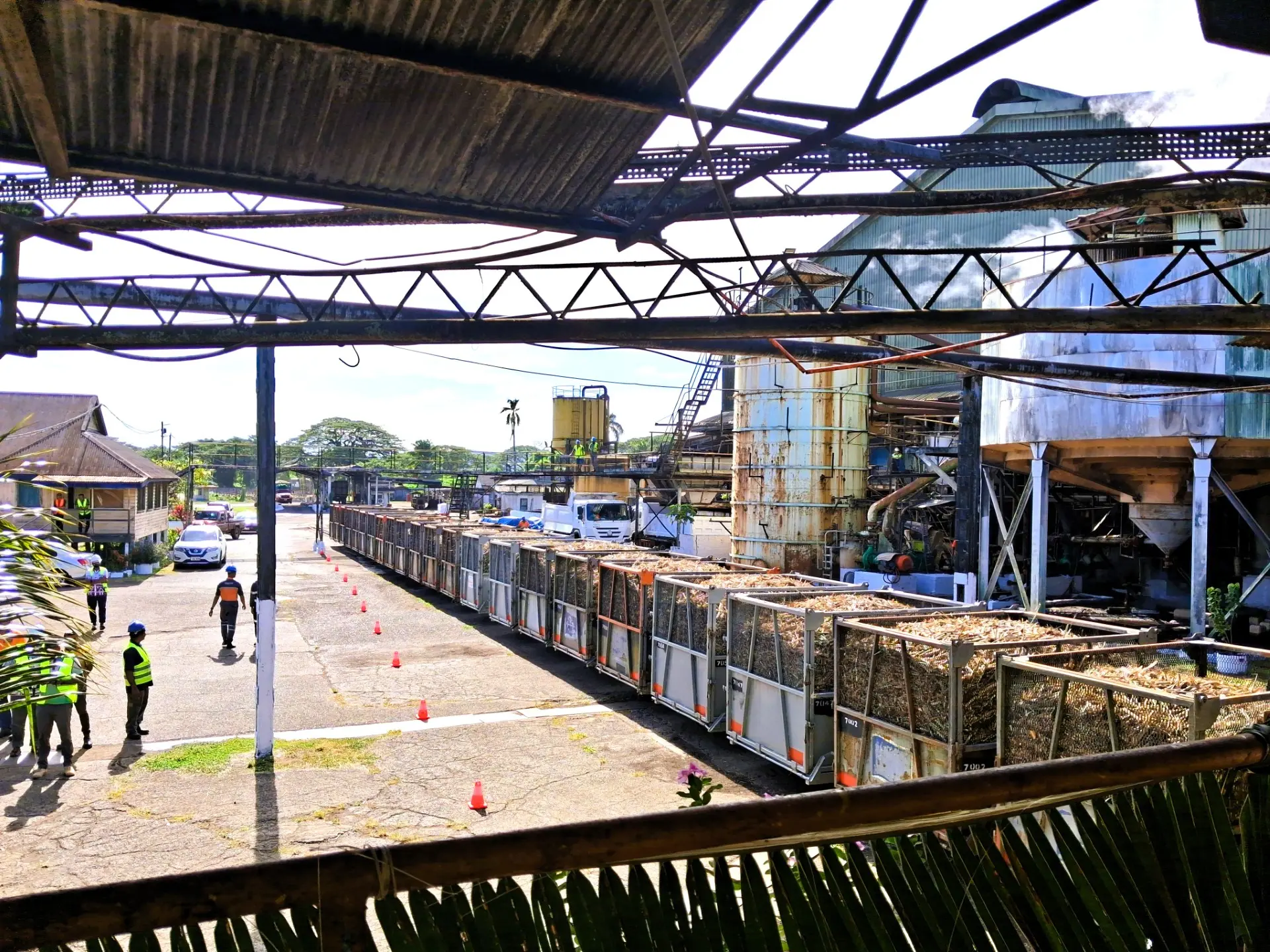
He proposed a privatisation model under which investors would inject capital into the industry while ensuring its long-term viability, with returns shared among all stakeholders.
Independent Member of Parliament Alvick Maharaj believes privatising the Fiji Sugar Corporation (FSC) is the best way to revive Fiji's struggling sugar industry and secure its future for thousands of cane farmers.
Speaking to the Fiji Sun in Labasa, Mr Maharaj said FSC had become heavily dependent on Government financial support to sustain its operations, with millions of dollars injected into the state-owned enterprise over the years.
He proposed a privatisation model under which investors would inject capital into the industry while ensuring its long-term viability, with returns shared among all stakeholders.
Related stories
Mr Maharaj pointed to Energy Fiji Limited (EFL) as an example of a privatised entity operating efficiently, saying a similar model could be adopted for FSC.
He also said farmers should be paid for their cane in the same season instead of waiting until the following year.
"This will mean farmers supply cane to the mill and are paid immediately for their tonnage instead of waiting and told to survive because payment will be done next season," he said.
Mr Maharaj said timely payments would improve farmers' financial capacity and allow them to better plan for future planting seasons.
Asked about Permanent Secretary for Finance Shiri Gounder's comments describing FSC as an insolvent company, Mr Maharaj declined to comment.
He said it would not be appropriate for him, as a politician, to respond to the views of a civil servant.
"I don't want to get involved in what a civil servant has said, that's his opinion and also I am not an economist, as a politician I should not be commenting on an opinion provided by a bureaucrat," he said.
Mr Maharaj supported a collaborative approach involving growers, FSC and Government.
He said, as an Opposition MP, he would continue advocating for farmers' interests.
"While I support their call for the price of per tonnage of cane to be increased, I believe a strong negotiation is vital," he said.
He welcomed Government's guaranteed minimum cane price of $85 per tonne, but believed farmers could secure a higher price through negotiations.
Vunimoli farmer Gyanendra Nath said setting the cane price between $100 and $150 per tonne would encourage farmers to increase production.
Mr Nath said the industry had the potential to recover if all parties worked together.
He warned that continued uncertainty could discourage younger people from entering the sugar industry, with many instead turning to other agricultural ventures.
Mr Maharaj said many large-scale cane growers had already diversified into commercial farming to supplement their income.
"The large-scale farmers are now moving into commercial farming while for small-scale farmers, government will need to revisit the grassroot level and understand the core problems affecting individual farmers," he said.
He said the challenges facing growers differed from one farming sector to another and required targeted Government intervention to address them.